
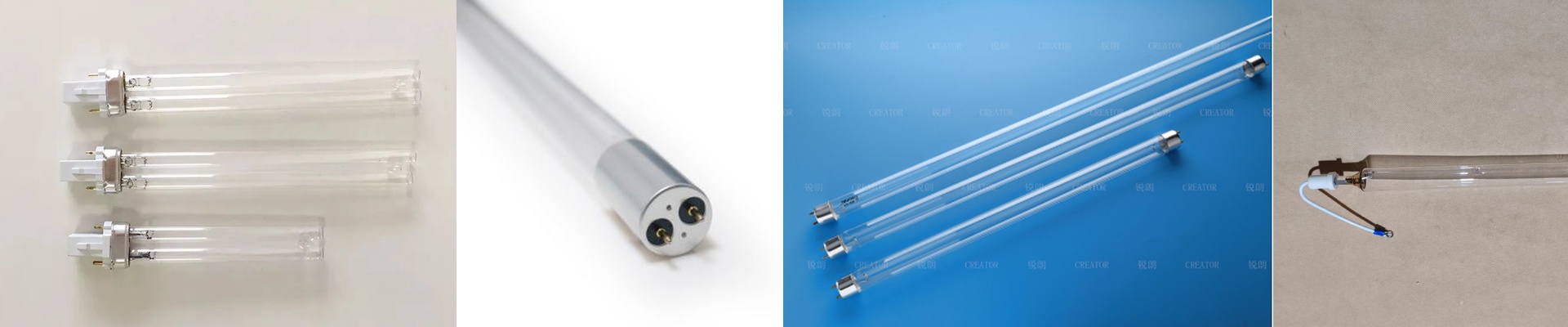


Making UV Lamps That Don’t Trash the Planet
We’re changing how we build our custom UV lamps. And look, this isn’t some corporate “green-washing” PR stunt. It’s actually about the grit—the chemistry and the physics—of how these things are made and how long they actually last.
Better Stuff, Less Junk
Most old-school UV lamps are a pain to toss. They’re often packed with materials that leak toxins or make disposal a nightmare. We decided to stop doing that. We swapped out the hazardous fillers for high-purity synthetic quartz and cleaner electrode assemblies. The result? No toxic off-gassing. You still get the exact spectral punch you need for curing or sterilization, but you don’t have to worry about leaking chemicals in your facility. It just works, and it stays clean.
Built to Actually Last
There is nothing more annoying than a lamp that dies right when you’re in the middle of a big run. Replacing lamps every few weeks is a waste of money and a waste of materials. To fix this, we spent a lot of time tweaking the electrode-to-gas ratio. It stops the electrodes from burning out too early. We also beefed up the seals to keep the gas inside. When gas leaks, your light fades. When it stays put, your lamp keeps humming. Less waste. Fewer shutdowns. Way less frustration.
A Quick Word on Power
Here is the catch: these lamps are precise. If you try to “over-clock” them by cranking up the voltage to get a faster cure, you’re going to kill the lamp. It’s like redlining an engine—you might go faster for a minute, but you’ll blow the whole thing. To get the life we’re promising, your ballasts need to match our voltage and current specs exactly. We build these for the real world—industrial floors where gear gets beat up and pushed to the limit. You get a replacement that drops right in, lasts longer, and doesn’t leave a toxic mess behind. Your maintenance schedule slows down, and your conscience stays clear.