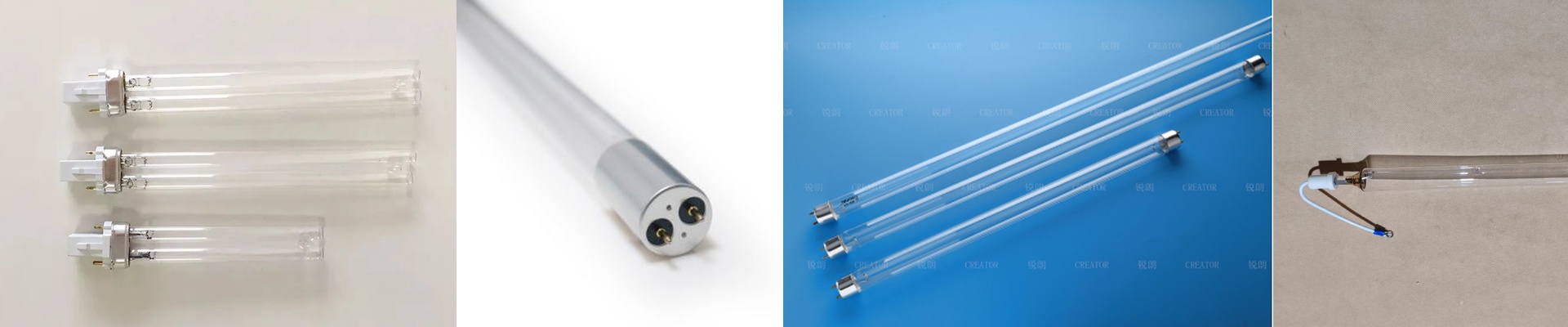


Getting the Light Right: A Real Talk on Industrial Mercury UV Lamps
We make mercury vapor UV lamps. They do one thing, and they do it fast: they kickstart a chemical reaction in your inks and coatings so they dry almost instantly. Basically, these lamps turn electricity into short-wave UV radiation. That energy hits the liquid monomer, breaks the molecular bonds, and snaps everything into a solid film in a matter of milliseconds. It’s fast. Really fast. And that’s what keeps your production line moving.
What’s actually happening inside the tube?
Inside the lamp, we’re creating a high-pressure plasma arc. To make sure that UV light actually reaches your product instead of getting trapped in the glass, we use high-purity quartz. Now, here is the tricky part: the balance between power and lifespan. If you crank up the wattage, your line moves faster, but you’re pushing that quartz glass to its thermal limit. **One big tip:**Keep your reflectors clean. If dust builds up, the heat bounces right back into the tube. That’s a shortcut to burning out your electrodes way sooner than you should.
Fitting them into your setup
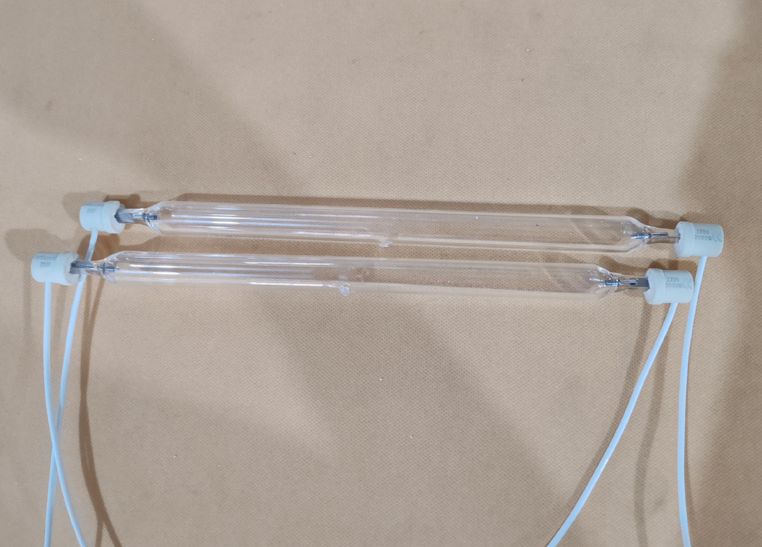
We designed these to be simple drop-in replacements. Whether you’re running a conveyor or a rotary dryer, as long as the lamp length and end-caps match your ballast, you’re good to go. We spend a lot of time focusing on “arc stability.” Why? Because nobody wants “flicker.” If the arc jumps around, you get those annoying curing stripes across your print, and that’s a headache nobody needs.
The trade-offs
Mercury lamps are great because they have a broad spectrum. This means they can cure deep into thick layers of ink without leaving the bottom tacky. But, they run hot. A lot of the energy comes out as infrared radiation (heat). This is where your cooling fans or water jackets come into play. If you don’t have the right cooling setup, you’re risking warped materials or—even worse—ink that bubbles up. It’s all about managing that heat so the finish stays smooth.