Why Your Yogurt Line’s IR Lamps Keep Dying (And How to Fix It)
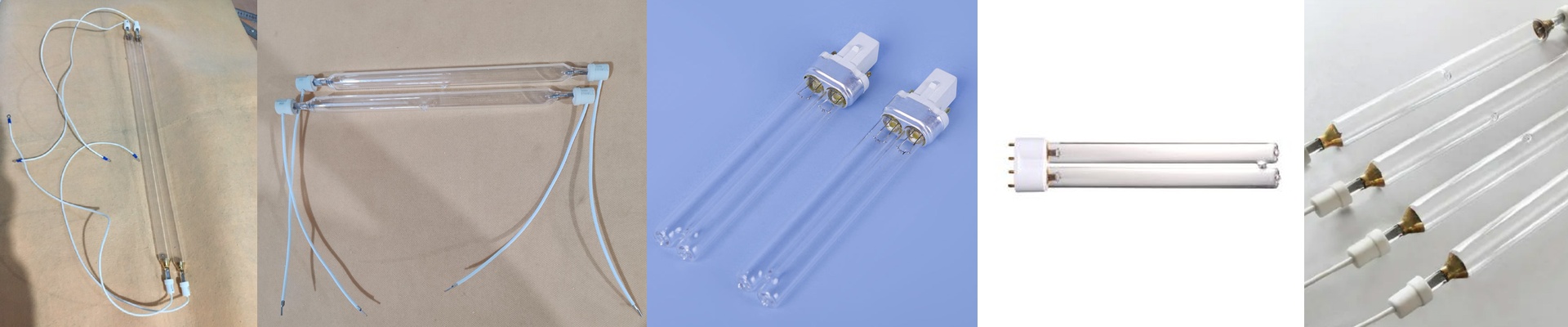
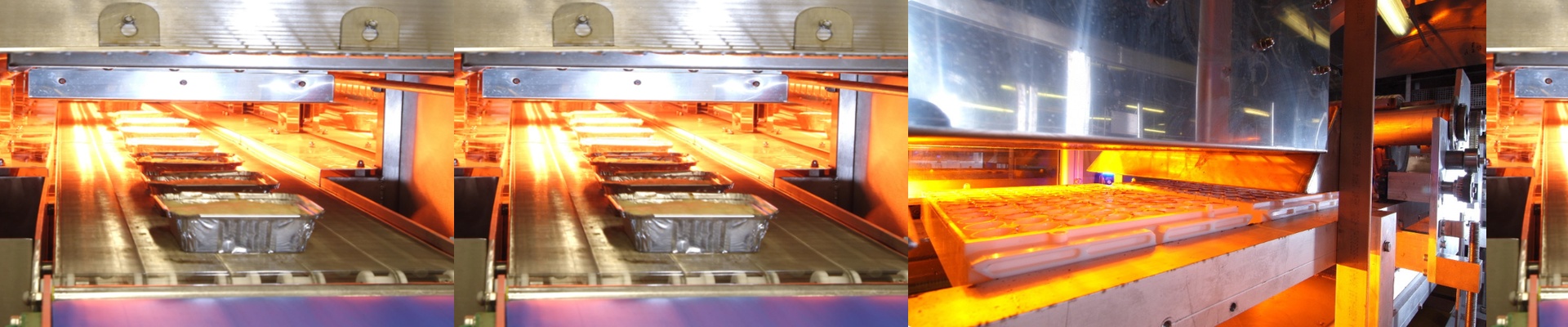
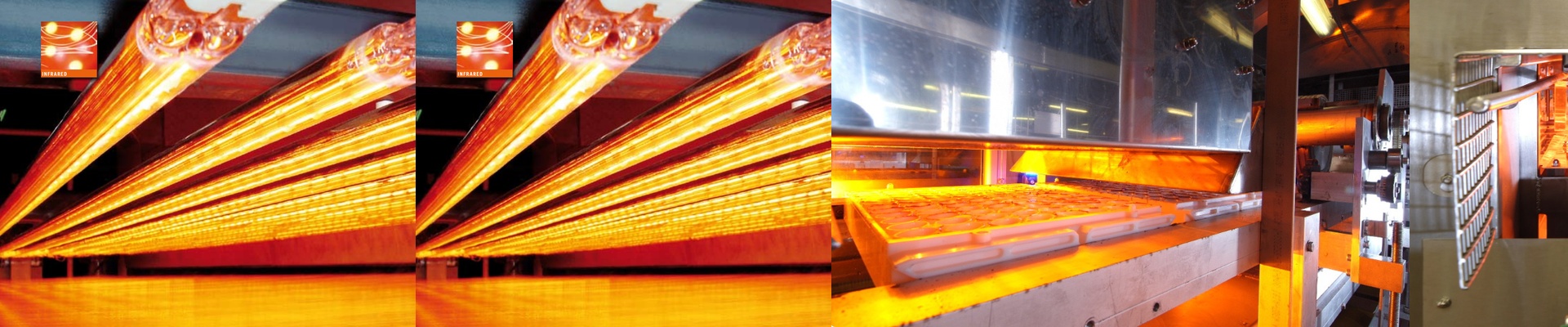
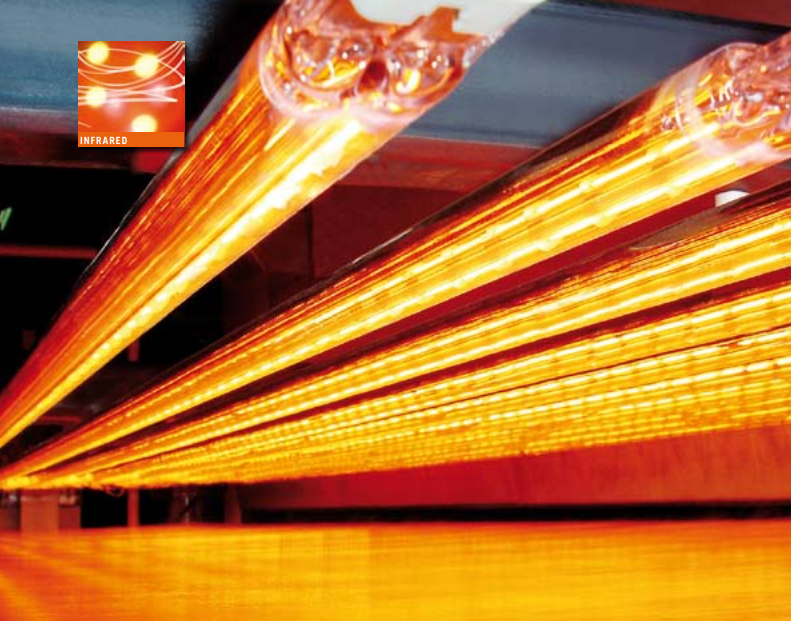
Sterilizing yogurt foil lids is a bit of a tightrope walk. You need enough heat to kill the microbes, but not so much that you actually cook the yogurt. The real headache, though, isn’t the heat—it’s the environment. When you mix airborne dust with constant, thick steam, you’ve basically created a death trap for standard IR lamps. Moisture sneaks into the terminals, sparks fly, and suddenly your lamp is dead. Again. Dealing with the damp We’ve found that the best way to handle this is to stop the steam before it even starts. We use sealed end-caps to keep that moisture from creeping into the quartz envelope. Here’s the thing: when water vapor hits a scorching hot lamp, it creates a thermal shock. If you’re using cheap glass, it’ll crack. That’s why we stick to high-purity quartz and specific gaskets. It keeps the lamp from snapping under the pressure of those rapid temperature swings. Then there’s the dust. In a food plant, organic gunk settles on everything. If your lamp isn’t powerful enough, that layer of dust acts like a blanket, trapping heat until the lamp simply blows. We use a short-wave radiation that punches right through that light contamination to hit the foil directly. The gritty details Stability usually comes down to the boring stuff: wiring and mounting. You can’t just throw standard clips on these and hope for the best. In a humid plant, terminals rust. We use corrosion-resistant connectors and a tight, moisture-sealed fit. It stops the voltage drops and keeps things running smooth. But a word of caution—these high-wattage lamps put out a massive amount of heat. It’s great for sterilizing foil in a heartbeat, but it’s tough on your equipment. If your support brackets aren’t rated for that kind of heat, they’ll start to warp. We build our gear to take a beating, especially in wash-down environments. By keeping the electricity and the steam far apart, your lamps actually last. You spend less time swapping out burnt-out elements and more time actually running your line.