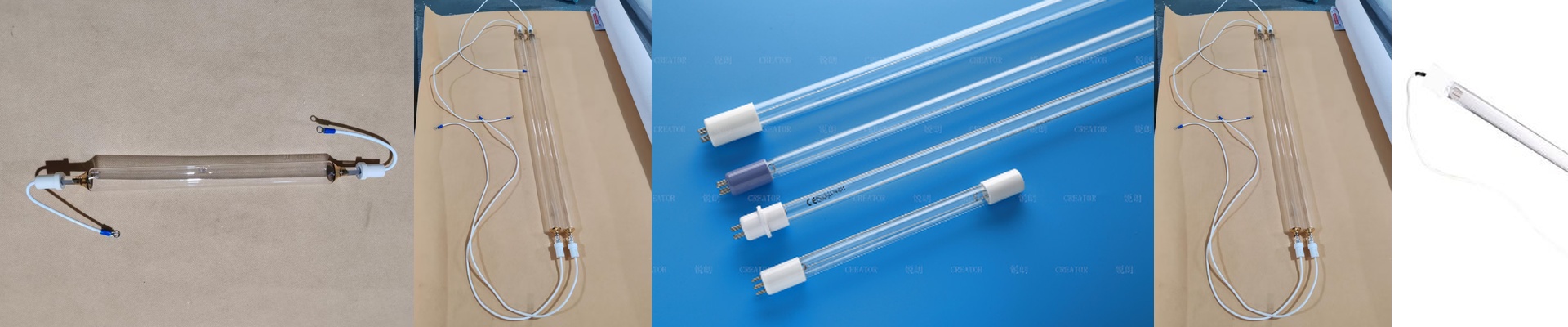
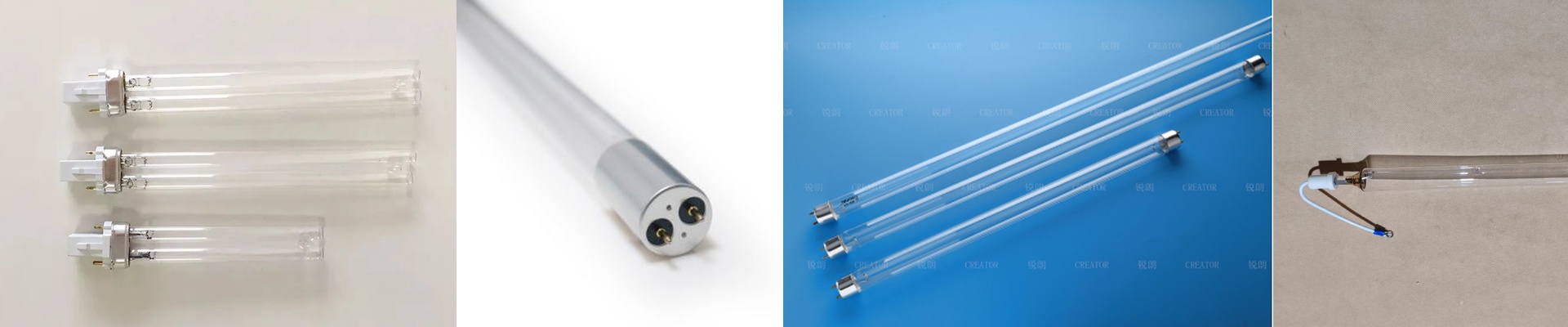
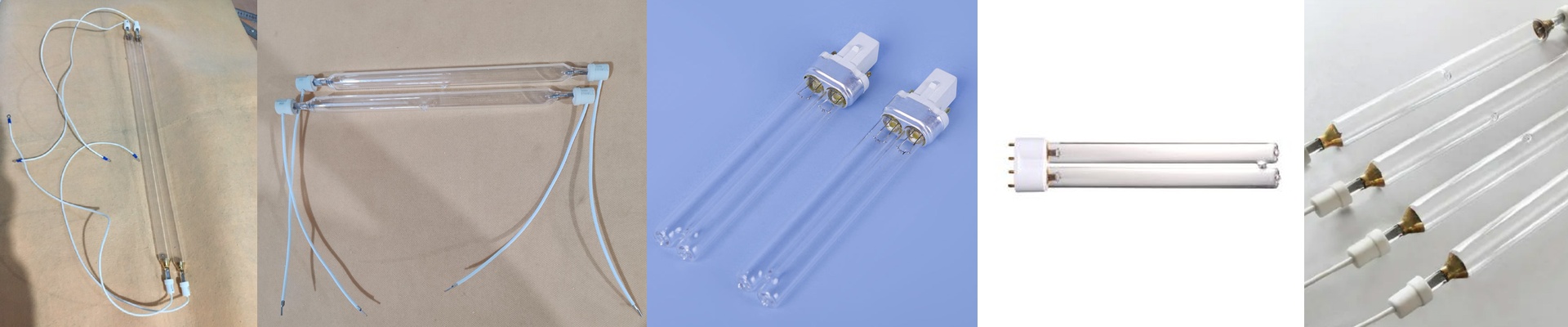
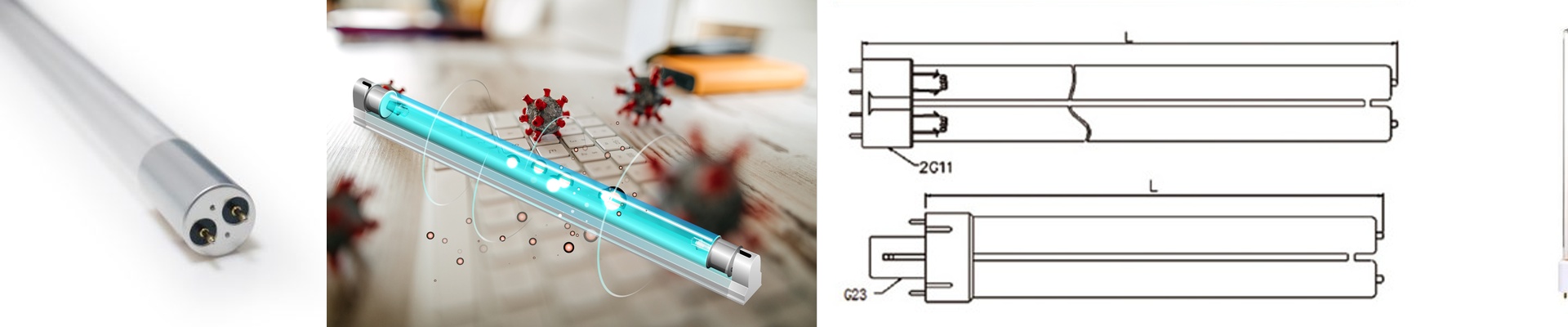
We build reflector systems for UV curing lamps because getting a good cure is all about control—controlling the heat, controlling the light. You want a finish that’s fast and even, and that only happens when your lamp, reflector, and power supply are perfectly matched to the piece you’re working on. Here’s the thing about the power setup. UV curing halogen lamps are typically rated at 400V and 2500W. That combo packs a serious punch into a compact tube—usually around 300mm long. That wattage density is what gives you the radiant power you need, but it also sets the pace for how quickly the lamp heats up and how much thermal load your machine will carry. Going with 400V lets you push higher power over longer runs without wrestling with current issues. But it also means your control gear and wiring need to be rated for that higher voltage. And size? It matters. The 300mm active length gives you a clear window of irradiation. Match your reflector geometry to that window, and you keep the intensity where it needs to be—on the substrate. Miss the match, and you lose the punch. Now let’s talk about what makes the lamp itself reliable. Inside, a halogen cycle keeps the quartz envelope clean, so output stays steady over time. Quartz is great for letting shortwave energy through, which is exactly what you need for UV curing. We add a reflector coating that catches radiation that would otherwise go to waste and sends it back onto the target. That means more usable intensity and less waiting around for the system to warm up. The R7s connector is a practical, no-fuss choice for linear lamps. It gives you solid contact and can handle high temperatures without drama. Installation is straightforward: line up the pins, seat the lamp, and lock it down. Out on the line—say, in PET blowing or other UV curing setups—the reflector focuses energy right where you need it: on the curing zone. That focus lets you run faster without cooking the surrounding components. The 2500W halogen lamp brings serious heat density, which shortens dwell time. But that power also pushes cooling to its limits. Plan your airflow and heat sinking early, or you’ll end up with a system that runs too hot. And the best part? This setup slides right in as a replacement for standard 300mm UV halogen systems. You get output you can count on, and maintenance that stays predictable—no surprises, just steady performance.