
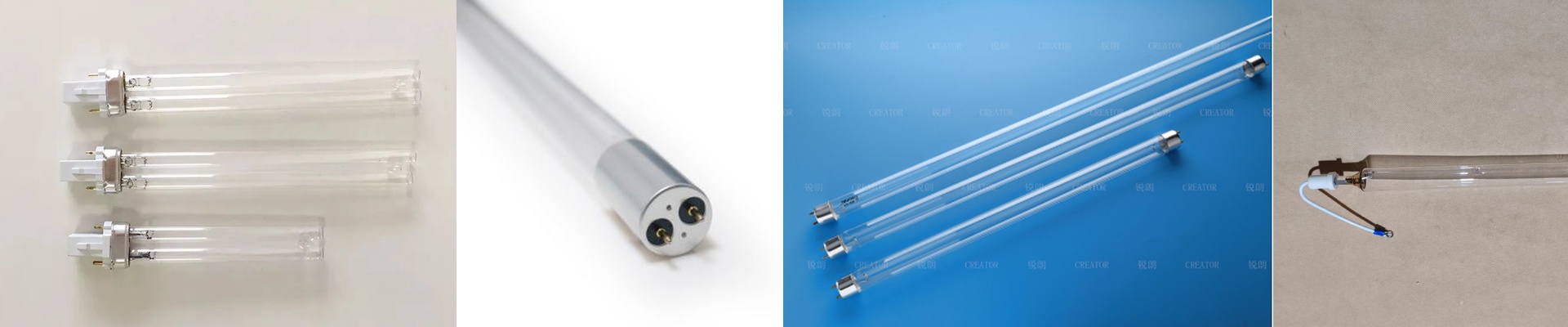


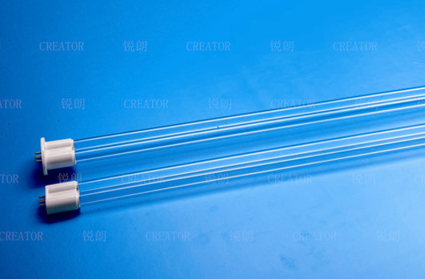
Making Gallium Iodide Lamps That Actually Last (And Don’t Mess Up the Planet)
If you’re working with high-precision curing or semiconductors, you know the struggle. You need a very specific, narrow band of UV light—usually between 250nm and 350nm—and if that light is even slightly off, your whole process falls apart. That’s where our Gallium Iodide (GaI) lamps come in. The tricky part is the physics. Most people are used to standard mercury lamps, but GaI is a different beast. It’s all about how the gallium atoms get excited. To get that peak emission exactly where your photoresist or adhesive needs it, we have to be obsessive about the internal pressure and voltage. The quartz glass envelope is where things get tense. If the thickness is off by even a fraction of a millimeter, the pressure shifts. Then your spectral peak drifts. Suddenly, your resin isn’t curing right, and you’re left wondering why your line is stalling. It’s a tiny detail that causes a massive headache. Cleaning up the act. We decided we were done with hazardous additives. The new generation of these lamps is built to be eco-friendly, plain and simple. We use high-purity synthetic quartz, which doesn’t just help the planet—it stops the walls of the lamp from breaking down too early. And let’s talk about burnout. Nothing is more annoying than a lamp dying right in the middle of a run. We fixed this by rethinking the electrode geometry. We wanted to stop “sputter”—that annoying process where metal deposits build up on the inside of the tube. By cutting down the sputter, the glass stays clear. You get a much longer life before the UV output dips and you’re forced to swap them out. A quick heads-up on installation. These are designed to be drop-in replacements for your current UV arrays, so they fit easily. But here’s the thing: GaI lamps runhot. Much hotter than your standard tubes. If you’re packing high wattage into a tight space, don’t wing it with the cooling. Check your fans or water jackets. If you don’t have enough airflow, those electrodes will degrade fast and your wavelength will start to wander. Double-check your heat sinks before you flip the switch. Your gear will thank you.