Stop Letting Water Ruin Your Can Seals
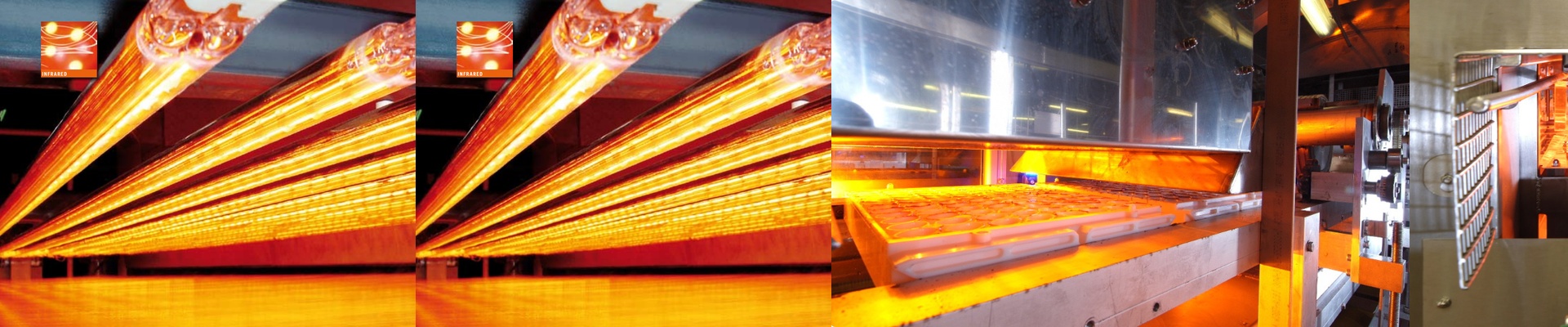
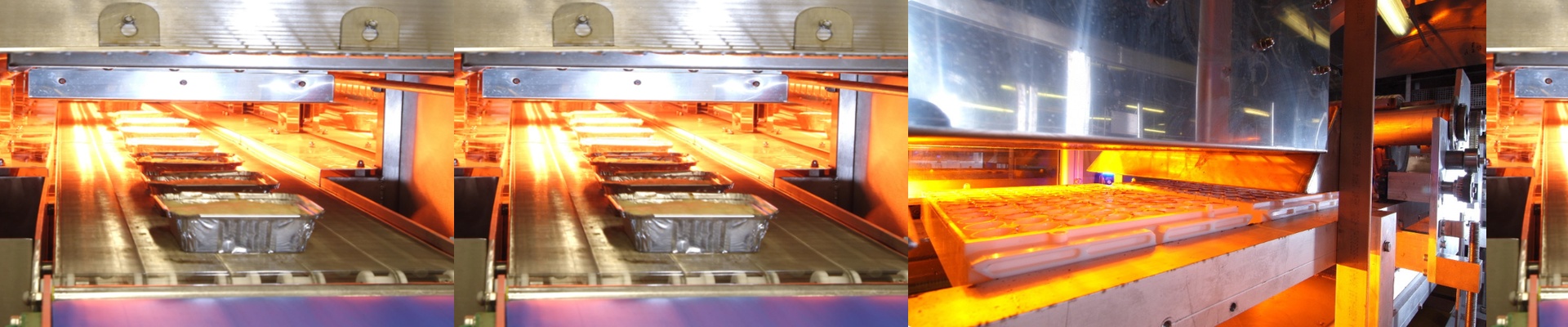
If there’s still water clinging to a can lid right before it hits the seamer, you’ve got a problem. It’s a recipe for contamination and seal failures. To fix this, we use shortwave infrared (IR) lamps in the drying and seaming zones. The goal here isn’t to cook the food inside the can. It’s just about getting that sealing surface bone-dry so you can actually sleep at night knowing your food safety standards are met.
How the drying actually works
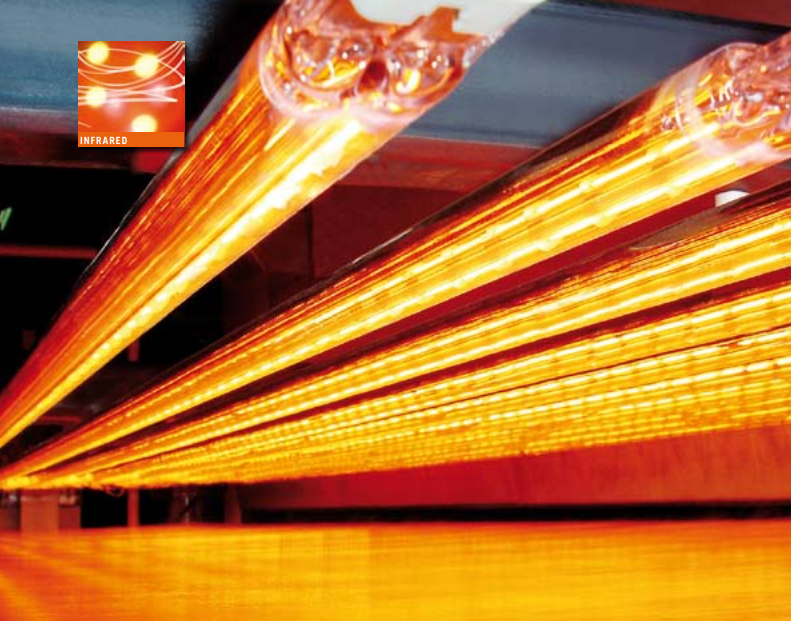
These lamps are built for high heat density. Think of it this way: most heaters just warm up the air around the can. IR is different. It hits the water molecules on the metal directly and flashes them into vapor instantly. By putting these lamps right before the seaming head, you make sure the lid is completely dry. No trapped water. No hidden pockets of moisture. And most importantly, no breeding ground for bacteria to move in.
Getting the gear in place
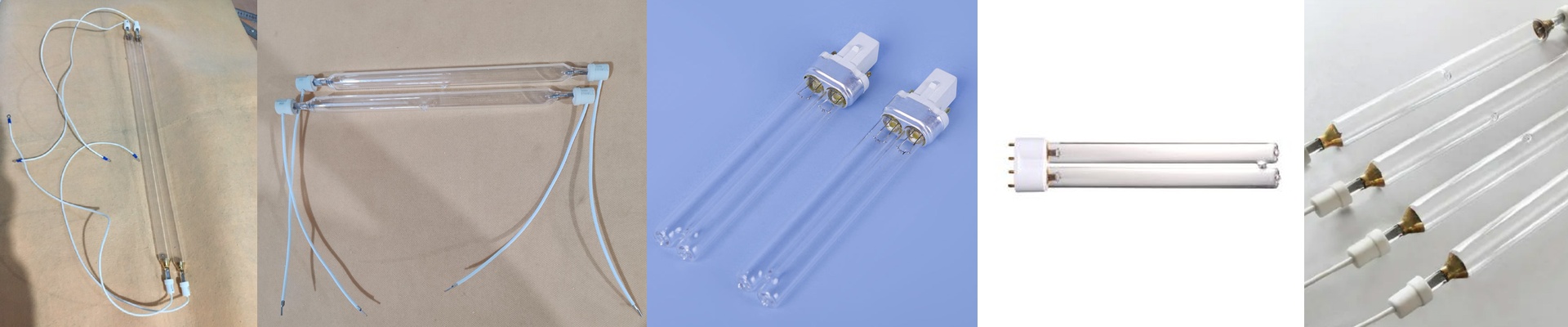
We usually go with quartz-halogen tubes because they heat up almost instantly. You can just drop them into your current line or add them as a new module without a massive overhaul. Since canning plants are messy and get washed down constantly, we house everything in stainless steel. It keeps the guts of the system safe. But you have to be smart about the power. If you crank the wattage too high to clear water faster, you might start roasting your conveyor belts. Or worse, you could warp the can body or burn the lacquer. It’s a balancing act between your line speed and how much heat you’re throwing at the metal.
The catch
IR lamps are incredibly fast, but they need a clear shot. If the tubes get coated in grime, ink splatter, or dust, the heat just doesn’t get through. You can’t just “set it and forget it.” You’ll need a real cleaning schedule to keep those quartz tubes sparkling. If you let them get dirty, you’ll start seeing uneven drying—and that’s when the leaks start happening.