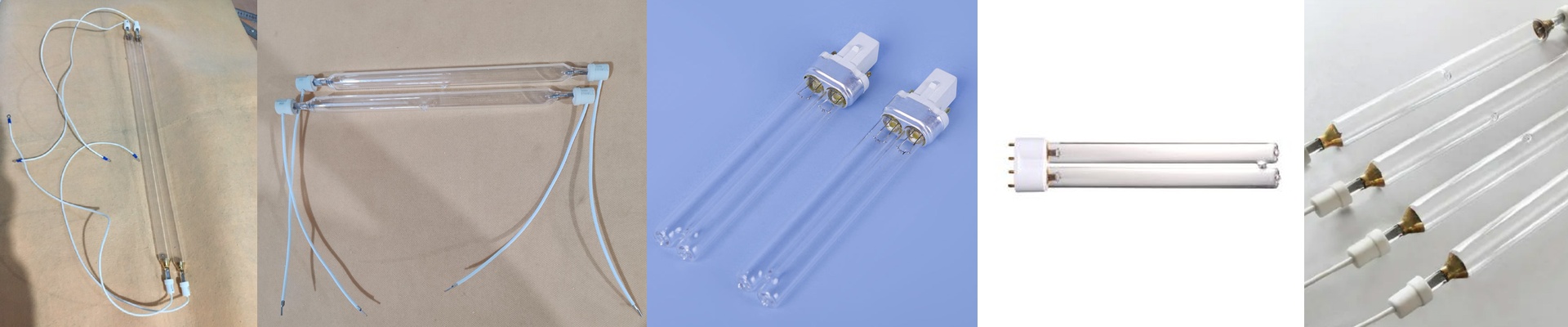
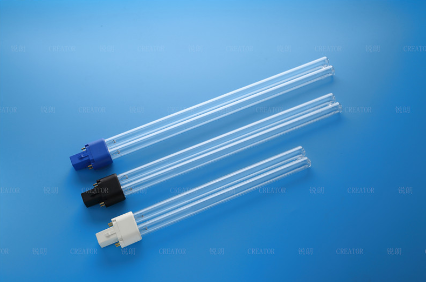
The Truth About UV Curing Failures
We run UV LED curing lamps on the line because they’re fast and precise. That part’s great. But here’s the snag: when oil and smoke build up on the surface, the curing process falls apart. The resin doesn’t set. You end up with scrap. It’s not mysterious. Contamination blocks the UV energy. So if we only talk specs and ignore cleaning and maintenance, we’re missing the part that actually keeps the line running and protects the equipment.
What’s Really Going On Under the Hood
UV LED curing needs consistent energy. When an oil film or smoke particles get in the way, they scatter and soak up UV photons. That drops the irradiance right where you need it, and the cross-linking doesn’t finish. Clean the emitting surface properly, and you can stretch lamp life by about 30%. That comes from easing thermal stress and preventing hot spots that pop up when emitters get blocked. We run at high power to keep up with fast line speeds. That means the system runs hot. If the surface is dirty, the heat can’t escape the way it should. The driver and LED chips end up taking a beating.
The Maintenance That Actually Matters
Start by powering down and letting the lamp cool. Wipe away oil films with isopropyl alcohol. For tougher residues, use a non-abrasive cleaner made for electronics. Never grab an abrasive pad. It will scratch the lens, and you’ll lose output for good. Give the surface a quick check after every shift. A few seconds with a wipe prevents buildup from ever getting started. When it’s time for replacement, treat it like a simple swap: match the mounting footprint and electrical connections. A secure, clean fit keeps alignment steady, so you don’t get uneven curing.
The Trade-Off You Can Live With
This approach keeps your curing stable, even during high-throughput runs. The trade-off is simple: you have to clean on schedule. If you skip maintenance to save a minute now, you pay for it later in rework and scrap. These lamps are built for tough shop conditions, but they’re not self-cleaning. Treat the surface like the precision optic it is, and you’ll get steady output, fewer rejects, and replacement intervals you can plan around.
The Real Deal
Oil and smoke cause curing failure. Keep the UV path clear with a disciplined cleaning routine, and you protect your cycle time and extend component life. High power gives you speed, but it also demands serious attention to cooling and cleaning. If your cooling is undersized, the lamp will throttle back. Then you lose throughput. Match the cooling to the lamp, and you keep the pace you need.