


Getting UV Wavelengths Right (Without the Headache)
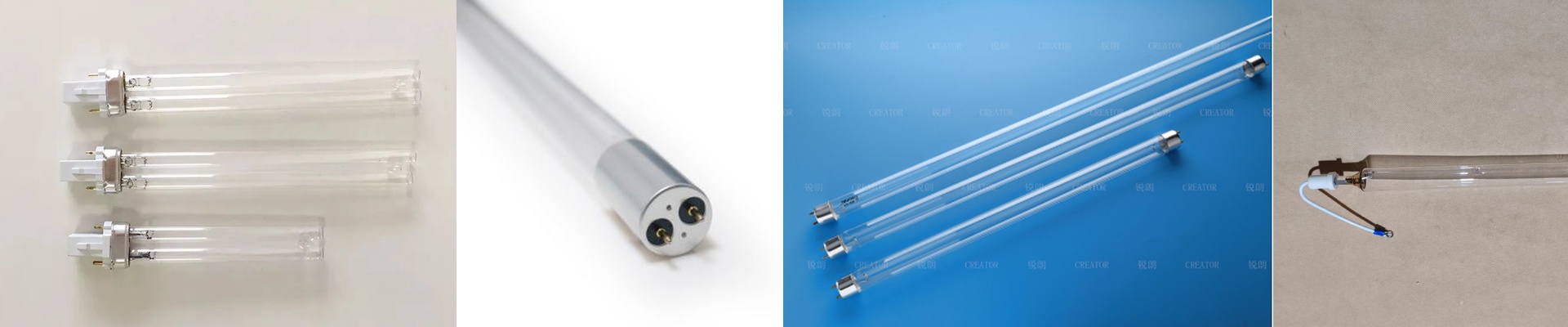
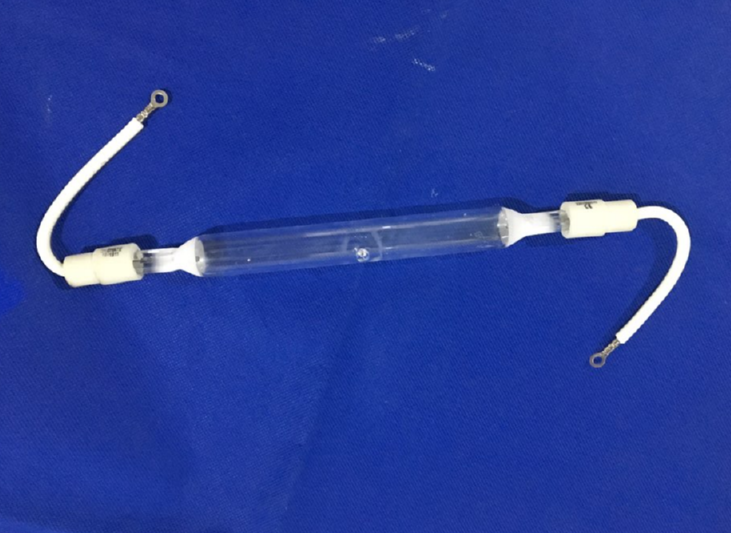
We don’t just slap together UV lamps. We obsess over the photons. Here’s the thing: if you’re an OEM, a tiny shift in wavelength—say, moving away from that 253.7nm peak—isn’t just a technicality. It’s the difference between actually sterilizing something and just wasting electricity. We spend our time in the lab tweaking mercury discharge and quartz purity to make sure those peaks stay exactly where they belong. The secret is in the glass. Most of the magic happens with the gas mix and the pressure inside the arc tube. But the quartz envelope is where a lot of people trip up. If the glass isn’t high-purity, it basically swallows the UV light before it even reaches your product. We also keep a close eye on dopants. Why? Because nobody wants “solarization.” You know, that annoying clouding effect that kicks in after a few hundred hours and kills your efficiency. We make sure that doesn’t happen. Dealing with the heat Let’s be real: high-intensity UV lamps get hot. Really hot. When we’re designing for your specific footprint, we can make the lamp fit your housing perfectly, but the thermal load is on you. If you’re cramming high wattage into a tight space, you need a cooling plan—whether that’s beefier fans or liquid jackets. If the lamp overheats, your UV intensity drops. Simple as that. Hardware that actually fits We can do drop-in replacements or build custom arrays from your CAD files. Need a weird pin configuration? A specific length to match a fast-moving conveyor? We’ve got you. We also put a lot of work into the connection between the ballast and the lamp. We hate flickering. It’s distracting, and worse, it burns out the electrodes way too fast. By keeping the electrical side stable, your maintenance schedule becomes something you can actually predict. No guessing games. Just a steady stream of light that does the job.