Stop the Leaks: Getting Your Can Drying Right
Ever deal with cans swelling or gas building up? It’s a nightmare. Usually, it comes down to a bad seal. If your gaskets aren’t softening evenly when they hit the heat, you’re going to get leaks. The real culprit? Most of the time, it’s the IR lamp setup. You end up with these annoying “hot spots” and “cold zones” across the line, and that’s where the trouble starts.
The struggle with heat
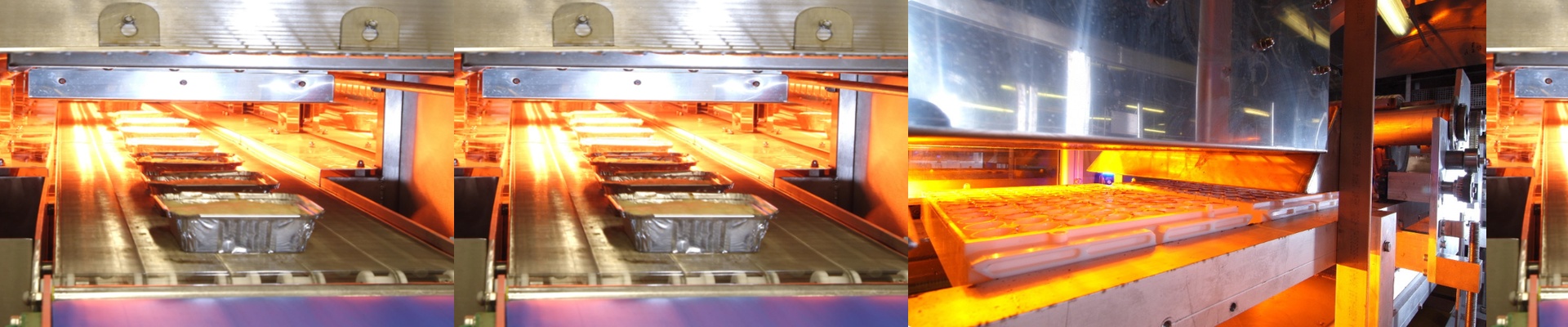
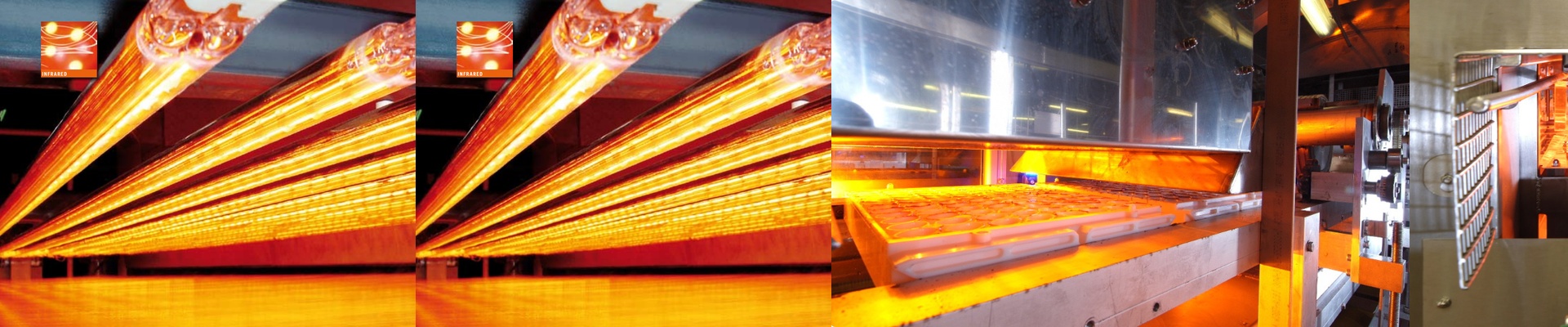
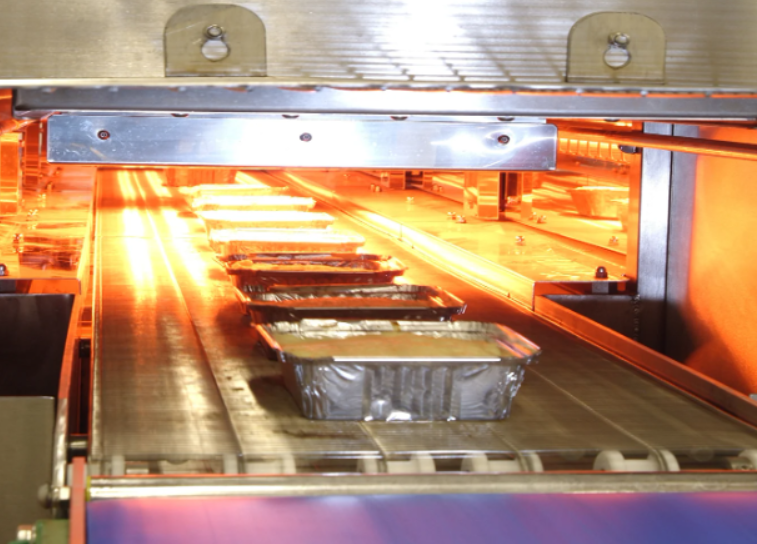
To keep your batches from ending up in the scrap bin, you need the heat to be flat. Simple as that. When the heat is uneven, the lacquer cures at different speeds. Some parts of the gasket just don’t get enough heat, they don’t soften, and the seal fails. We use short-wave IR emitters because they punch through the coating fast. But here’s the catch: high-wattage lamps give you the heat density you need, but they’re picky. If your voltage isn’t stable, they’ll burn out. Plus, you’ve got to time it right with your conveyor speed. If the belt is flying too fast for the lamps to keep up, the gaskets won’t get hot enough to soften.
The gear and the setup
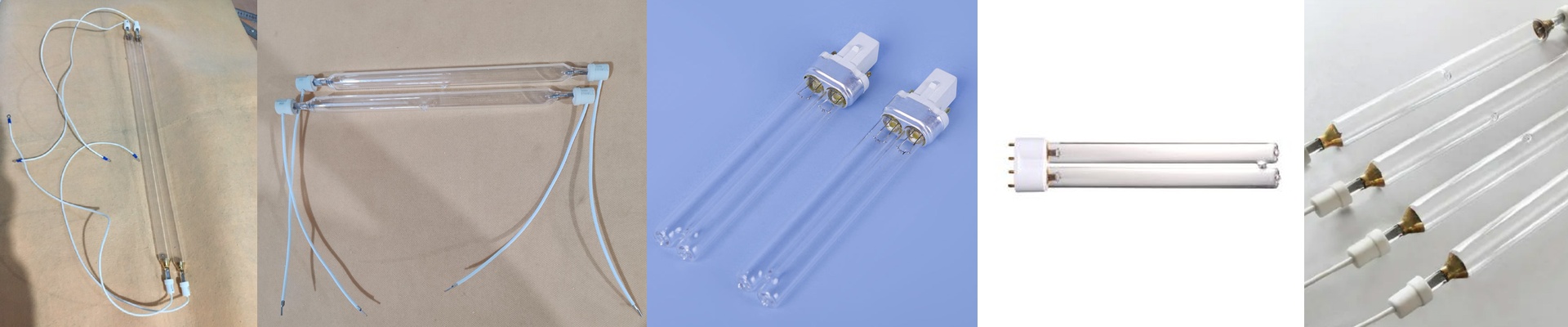
We use high-purity quartz glass for these lamps. It just lets more IR energy through. Depending on what you’re running, we use standard R7s or Sk15 connectors. That way, when it’s time for maintenance, you can just pop a new one in and get moving again. Then there’s the spacing. If you mount the lamps too close to the cans, you’ll scorch the lacquer. Too far? You’re wasting energy and losing efficiency. It’s all about finding that sweet spot in the tunnel.
The trade-offs
You might think, “I’ll just crank up the power to fix those cold zones.” Careful there. High-density IR lamps put out a ton of ambient heat. If you push the wattage too high to make sure every gasket softens, your cooling fans and vents have to work overtime. If they aren’t up to the task, you’ll start overheating the rest of your machinery. It’s a balancing act. But once you get the lamps aligned and the power controllers dialed in, everything just works. Every can hits the same temperature, and your scrap rate finally drops.