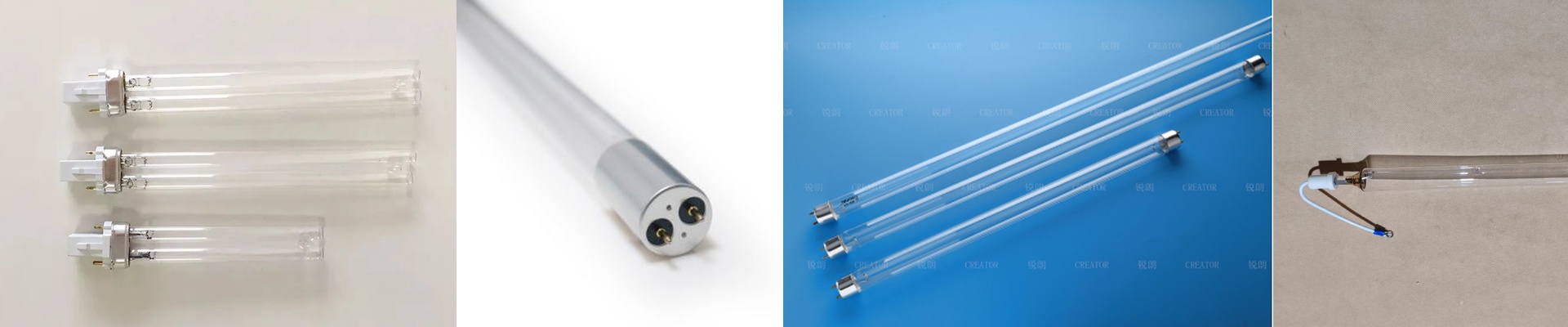
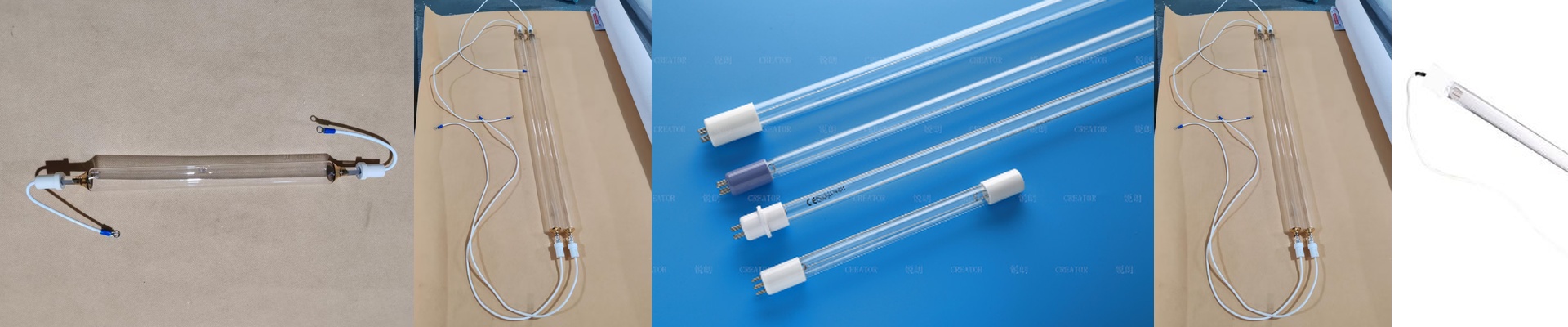
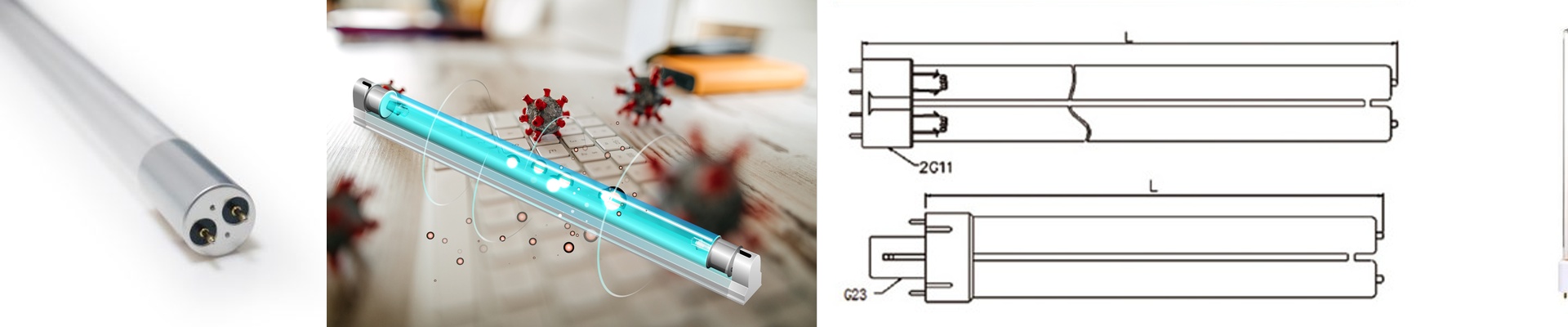
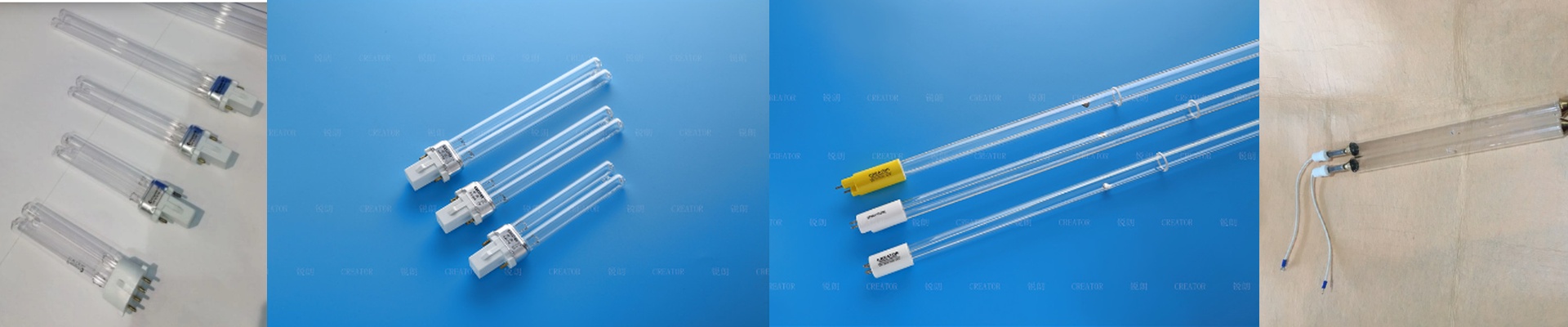
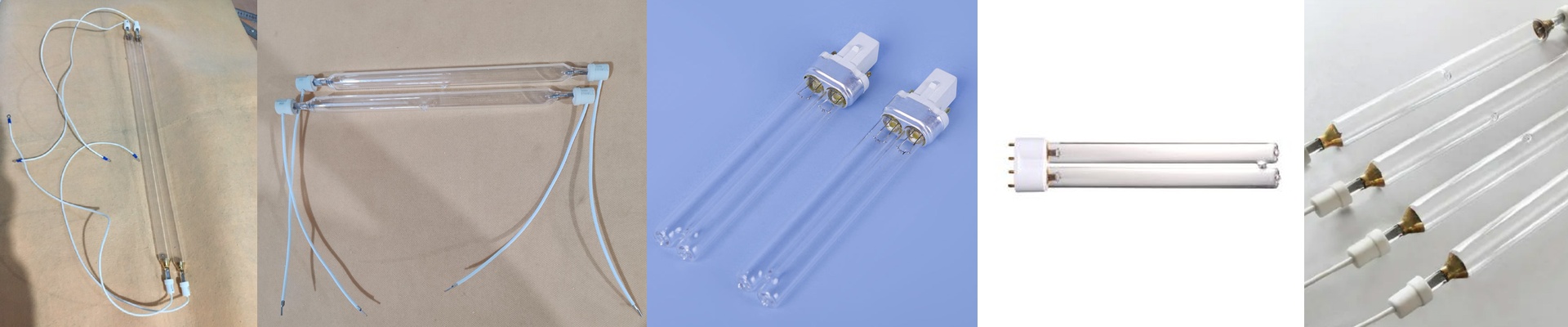
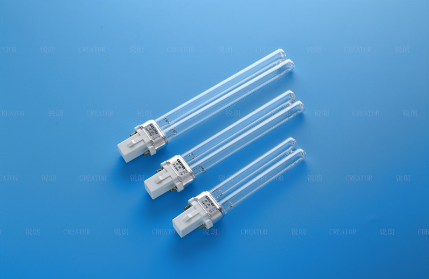
Walk the aisle of a 2026 trade show and the pace is undeniable: resin artists pushing output, printers laying down thicker coats, teams chasing faster cure without yellowing, tack, or warp. That’s exactly where our custom UV lamp modules held attention—not as a gadget, but as a production tool that takes variability out of the cure step, whether you’re on the booth, on the press, or in the studio. The core issue in resin work is energy control. You can mix the perfect resin and pour a flawless layer, and still lose the part if the UV dose is off. Under-dose, and the photoinitiator doesn’t fully react—surface stays tacky, and the polymer network never hits the cross-link density needed for hardness. Over-dose, and exotherm spikes, bubbles show up, edges curl, and pigments shift. Cure isn’t a vibe. It’s a measured dose.
What matters, technically
For resin art, the lamp isn’t just a light source. It’s a dosing instrument. The numbers that drive performance are spectral output, peak irradiance, and delivered energy density. Our modules are built around high-pressure mercury vapor lamps engineered for stable UVA output, with the dominant emission line at 365 nm. That wavelength lines up with the absorption profile of common photoinitiators in epoxy and polyester systems, giving efficient cross-linking with less heat than broad-spectrum sources. We also offer 385 nm and 405 nm variants when the resin calls for a longer wavelength to push through pigments or reduce surface quenching. Peak irradiance is what cures fast. In the real world, the resin layer sees peak irradiance at the substrate, not at the lamp window. Our reflector geometry uses a high-purity aluminum core with a multi-layer dichroic coating to shape the beam and cut wasted IR. The result is a tight, uniform footprint with high photon flux at the target plane. When you measure with a spectral radiometer, you get consistent readings across the cure window—no hot spots at the edges. Energy density, measured in mJ/cm², is the dose that drives conversion. We tune the lamp and power supply so the delivered dose repeats run after run. For typical resin art coats, that means hitting the resin’s required dose without overshooting. If your process needs 800–1,200 mJ/cm² at the surface, the lamp and reflector have to deliver that number reliably—not a guess. Stability is where most lamps fall off over time. Mercury lamps age, and output drops. We control that curve by specifying electrode geometry, fill pressure, and quartz envelope quality, then pair the lamp with a constant-power ballast that compensates for lamp voltage drift. The performance you get on day one is the performance you keep through the replacement interval. Lifetime and cost of ownership aren’t marketing lines. We have units running 5,000+ hours with less than 5% output drop, measured against initial irradiance at the same working distance. That translates into fewer lamp changes, less downtime, and maintenance budgets you can plan around.
Why it works in practice
At the 2026 show, the proof showed up in two places: throughput and finish quality. Resin artists running thick pours need a cure that builds strength fast enough to support the next layer without waiting hours. With our modules, a 2–3 mm pour cures to a stable solid in minutes, not hours, because the spectral output is matched to the photoinitiator and the peak irradiance is high enough to drive the reaction at a rate the resin can handle. The surface cures without oxygen inhibition, and the interior cures without excessive exotherm. No tack. No warp. Printers running UV inks on rigid substrates need the same precision, but at line speed. Underpowered lamps force a slowdown or under-cure, and either one kills margin. Our modules deliver stable irradiance across the web, so the dose is consistent whether you’re curing a thin ink film or a thick overprint varnish. The ballast holds power steady despite line voltage swings, and the reflector keeps the beam uniform—so the first pass looks like the thousandth. Energy use isn’t an afterthought. The reflector design cuts wasted IR, and the power supply maintains target arc power without overdriving the lamp. In real-world energy monitoring, the power draw per unit area is predictable and repeatable, which makes it easy to run the numbers and know your cost per part. Compatibility is where the module approach earns its keep. We build the lamp as a drop-in unit: standard mounting dimensions, defined electrical interfaces, and documented working distances. It fits into existing curing stations without redesigning the machine, and it swaps out in minutes. For demos on the show floor and production on the floor, that means less downtime and fewer variables.
What to get straight before you spec
A high-performance UV module only performs as well as the system around it. Before you spec one in, lock down three practical details. Match the wavelength to the resin. If your resin cures cleanly at 365 nm, stick there. If you’re curing pigmented systems or thicker pours, 385 nm or 405 nm can improve throughput by boosting penetration and reducing surface quenching. The photoinitiator package calls the shot. Set the working distance and verify the dose. Use a spectral radiometer to measure irradiance at the substrate plane, then calculate energy density for your layer thickness and line speed. Adjust distance to hit the required mJ/cm² without overdriving the lamp. Manage heat like it matters. Even with IR control, the lamp produces heat. Make sure the module has adequate airflow and that the substrate can handle the temperature. For heat-sensitive materials, increase airflow or add a short cooldown segment instead of jacking up lamp power. The trade-off is real: higher irradiance cures faster, but it also raises heat load. The right balance is the dose the resin needs, delivered at the highest irradiance the material can tolerate without distortion. If you want to see the numbers yourself, bring your resin and your meter. We’ll show you the spectral output, measure the irradiance, and run your part at the dose it requires—on the spot.