Getting Your UV Right: The Truth About Gallium Iodide Lamps
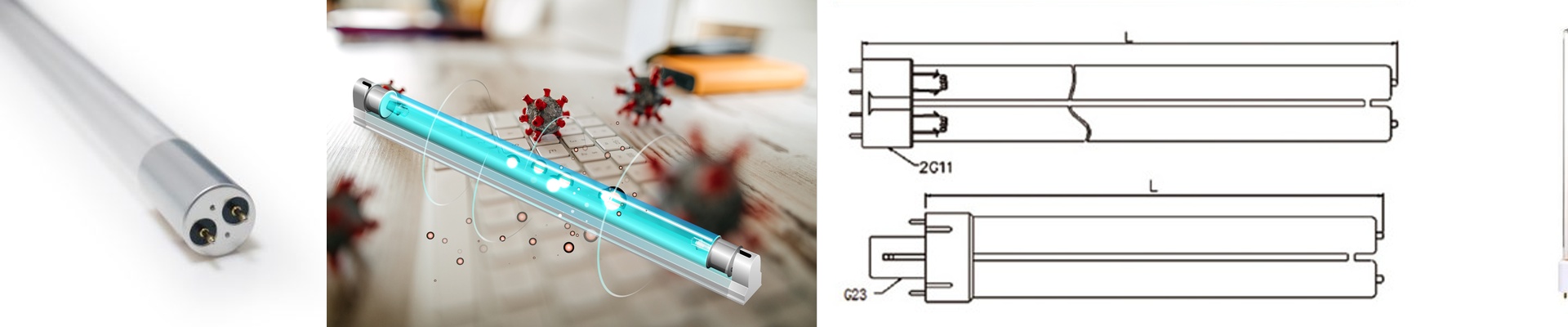
Most people are used to standard mercury vapor tubes, but Gallium Iodide (GaI) lamps are a different beast entirely. We don’t just make these to “light things up.” We build them for those high-stakes semiconductor and curing jobs where you need a very specific, narrow band of UV-C or UV-B energy.
How the physics actually works
Here’s the thing: we use a gallium-based halide fill to shift where the light hits. Standard lamps throw out a broad spectrum, which can be a problem. You end up scorching the surface of your material before the core even gets warm. GaI fixes that. It focuses the energy exactly where it needs to go. We spend a lot of time tweaking the gas pressure and fill volume. Why? Because your photoresist or adhesive has a specific “sweet spot,” and we calibrate the lamp to hit that exact mark.
Heat, Glass, and Custom Fits
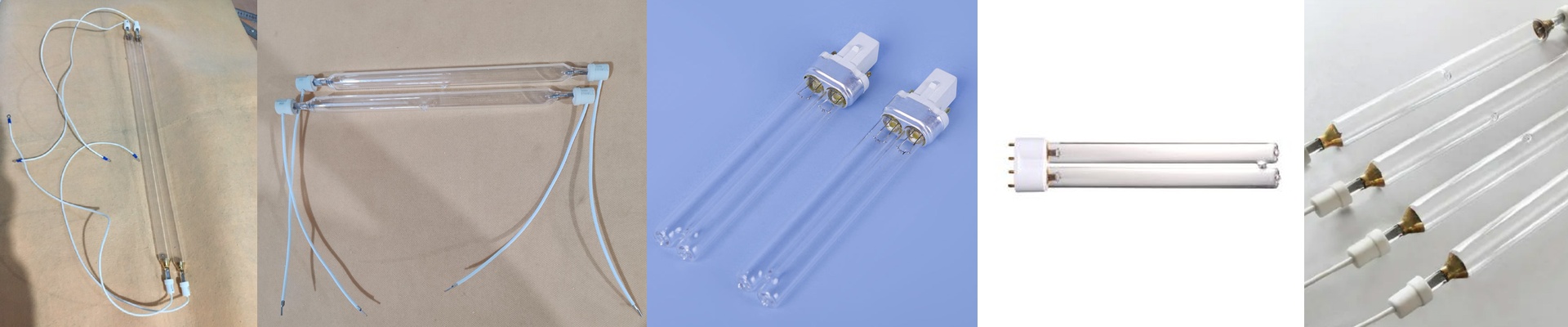
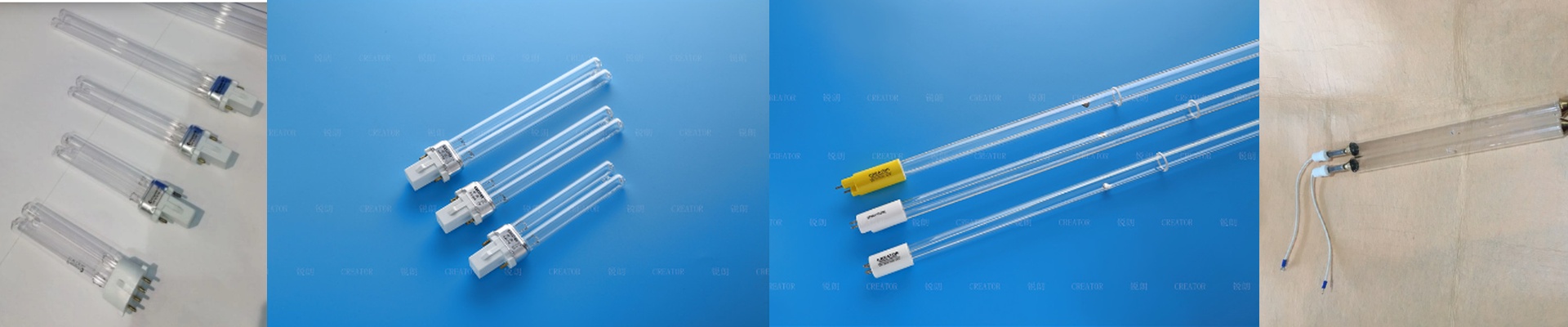
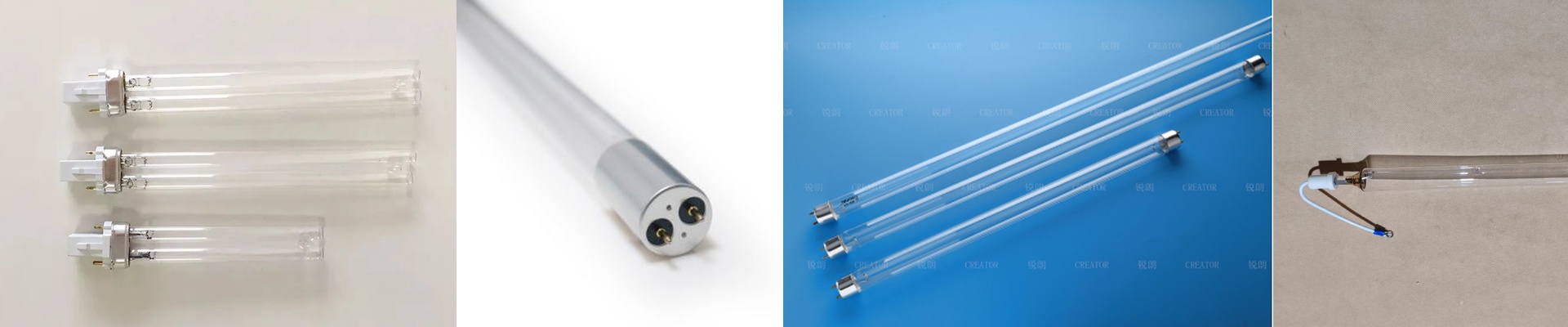
You can tell us the length, wattage, and voltage you need, and we’ll make sure it fits right into your current reactor. Simple as that. But a word of warning: high-wattage GaI tubes put out a massive amount of intensity, and that means they gethot. Really hot. If your cooling jackets or airflow aren’t up to the task, you’re going to have a bad time. The UV output will dip, and your lamp will burn out way faster than it should. To help with this, we use high-purity synthetic quartz. It stops the glass from clouding over and keeps things clear for the long haul.
Making it work in the real world
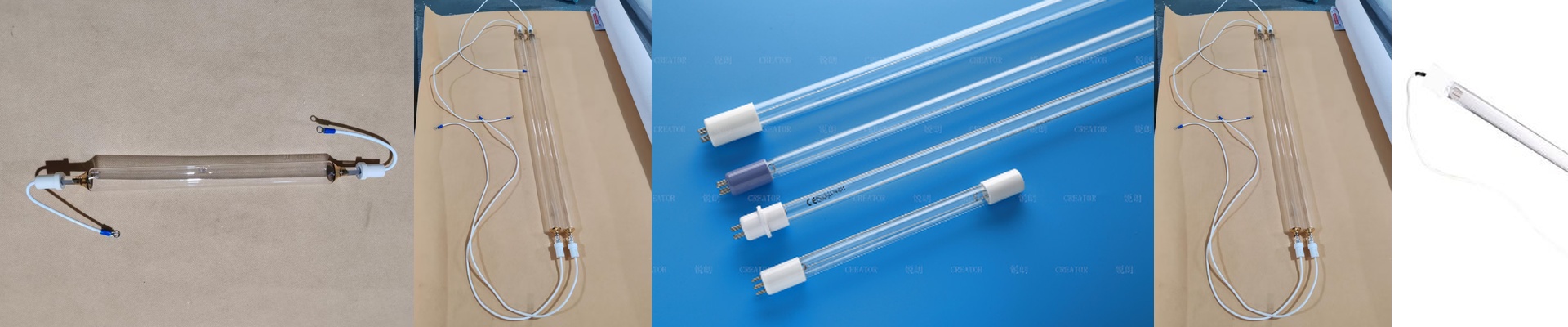
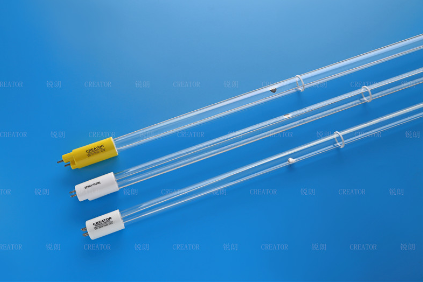
We design these to be drop-in replacements. Whether you need a weird end-cap or specific lead wires, we’ll wire it up so it plays nice with your existing power supply. These lamps live in 24/7 production environments, and they take a beating. If you want them to last, don’t just flip the switch to full blast. Give the voltage a slow, steady ramp-up. Your equipment will thank you. Plus, if you feel like your current setup is lagging, check your chemistry. Usually, the problem isn’t the machine—it’s a mismatch between the lamp’s peak wavelength and the photo-initiator you’re using. Get those two in sync, and your cycle times will drop instantly.