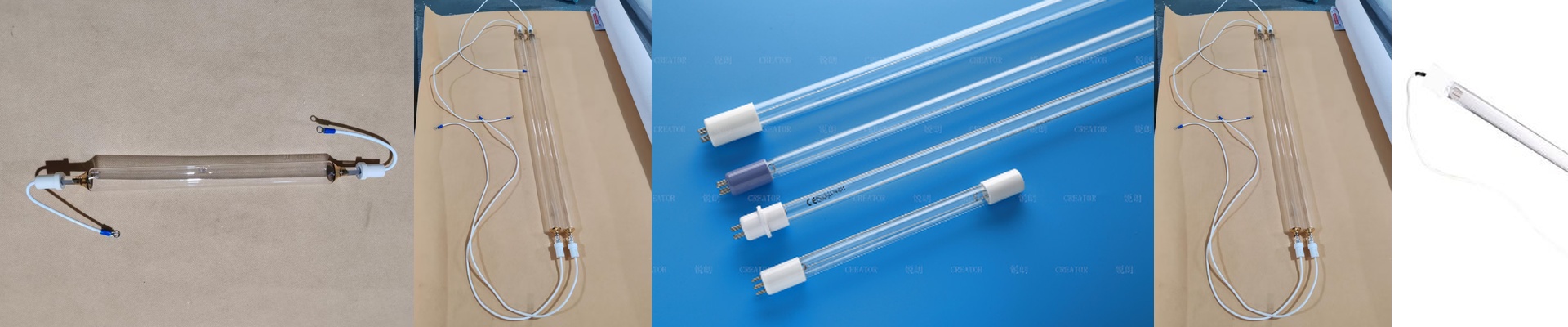
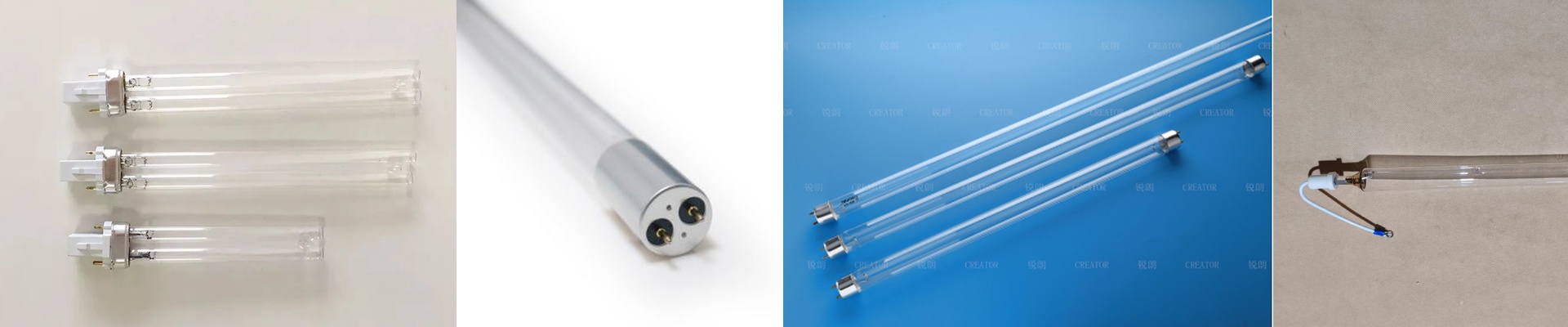
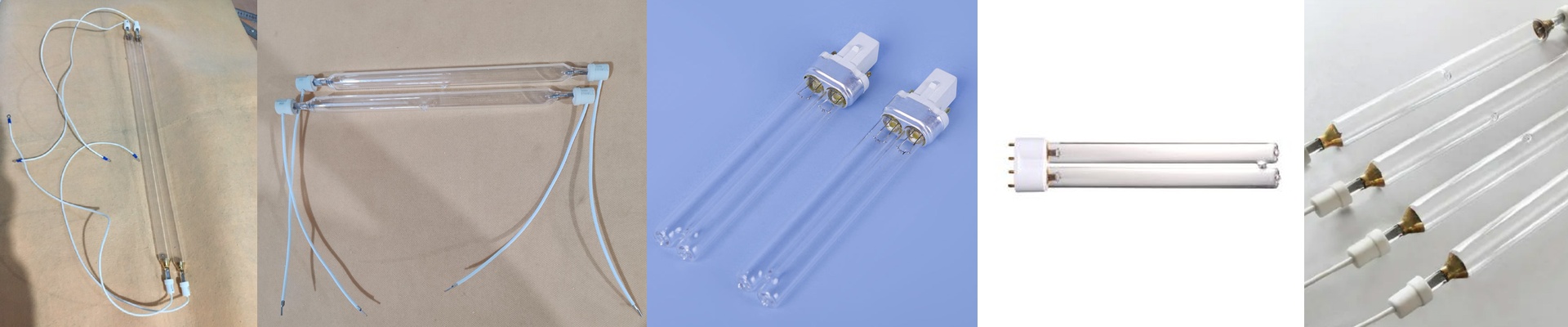
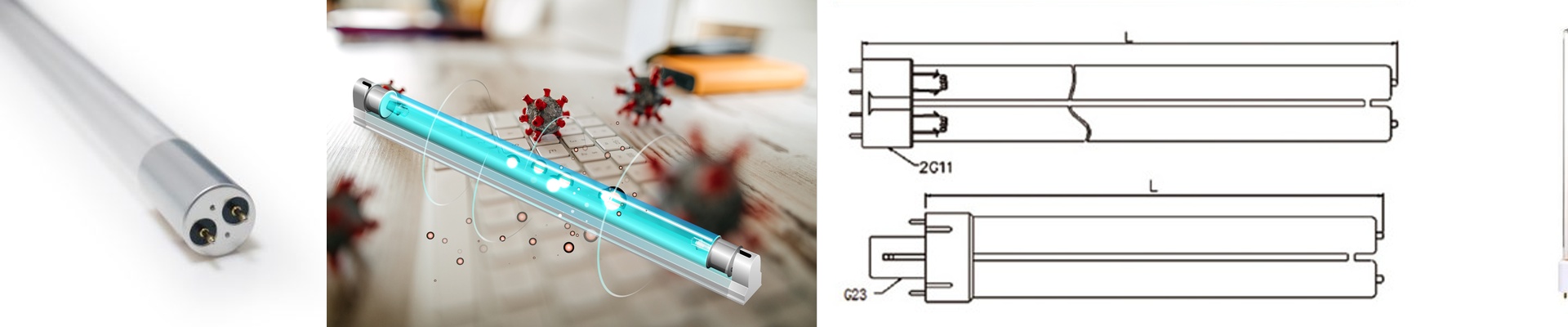
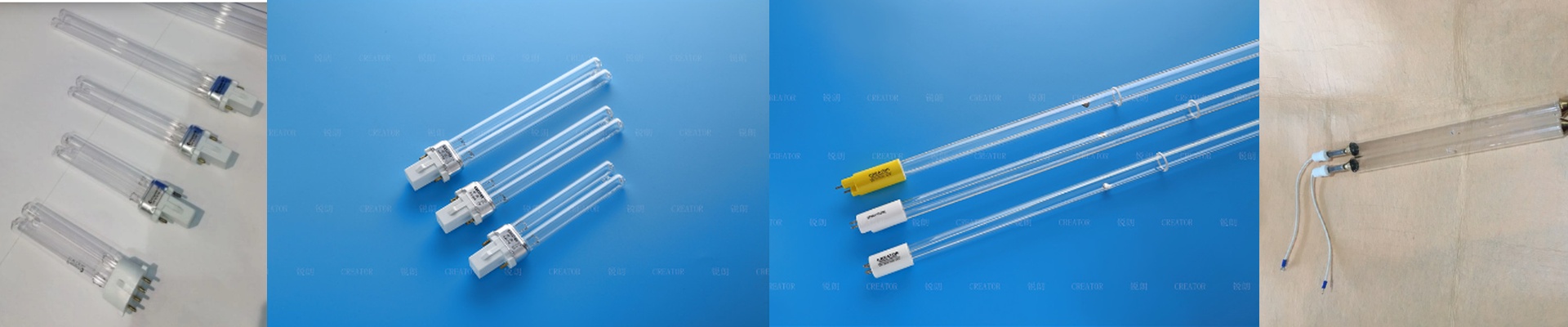
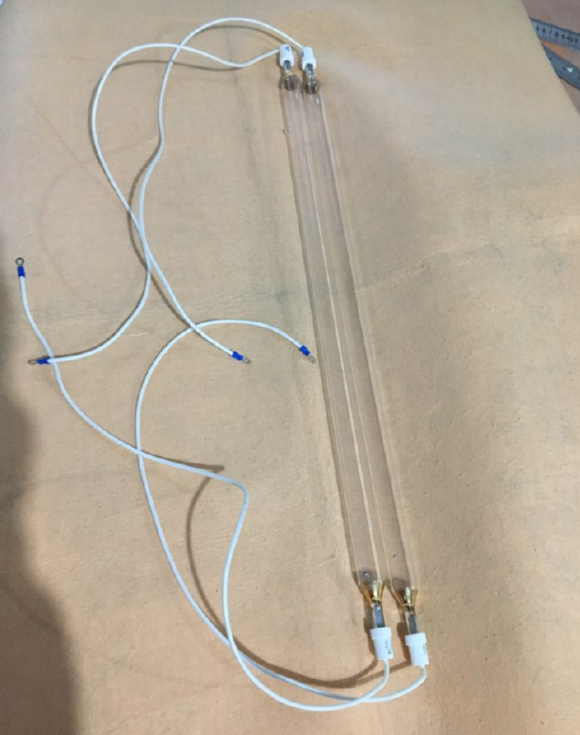
On the press, when the ink won’t fully cure, the usual suspect isn’t always the ink—it’s the film of oily mist and surface deposits on the UV lamp and reflector. That grime scatters and soaks up irradiance, so your photoinitiators don’t get the dose they need for proper cross-linking. You see it fast: ink that stays tacky, adhesion that falls off, and surprise stops on the line. What matters under the hood We run a gallium-doped UV curing lamp that holds a stable spectral output centered at 365nm, right where most offset, flexo, and screen photoinitiators absorb. Peak irradiance is maintained across the arc length, and the power density is calibrated to hit the energy density in mJ/cm² your line speed demands. The gallium dopant shifts the emission to cut excess short-wave UV, which lowers ozone and helps keep quartz temperatures more stable. Reflector efficiency stays up because the dichroic coating is engineered to hold reflectance across that target band, and the lamp keeps output consistent over thousands of hours. Why this plays in real production With this lamp, you can widen the cure window at higher speeds without chasing residual tack, and you cut rework from incomplete cross-linking. The steady 365nm output makes cure repeatable job after job, and less ozone means you don’t have to push ventilation as hard—or worry about oxidation stress on nearby components. Keep the lamp surface cleaner, and irradiance stays predictable. That translates straight into fewer curing defects and higher overall equipment effectiveness. The things you have to get right Gallium-doped lamps are sensitive to operating temperature, so stay within the ballast’s specified current range. Overdriving shortens life and knocks spectral stability out of whack. Always use ozone-free quartz, and verify reflector alignment at install—misalignment of just a few degrees can drop effective dose. For maintenance, clean the lamp and reflector only when they’re cold, with isopropyl alcohol and lint-free wipes, then check for hazing. Routine cleaning typically extends service life by around 30% compared to surfaces you ignore.