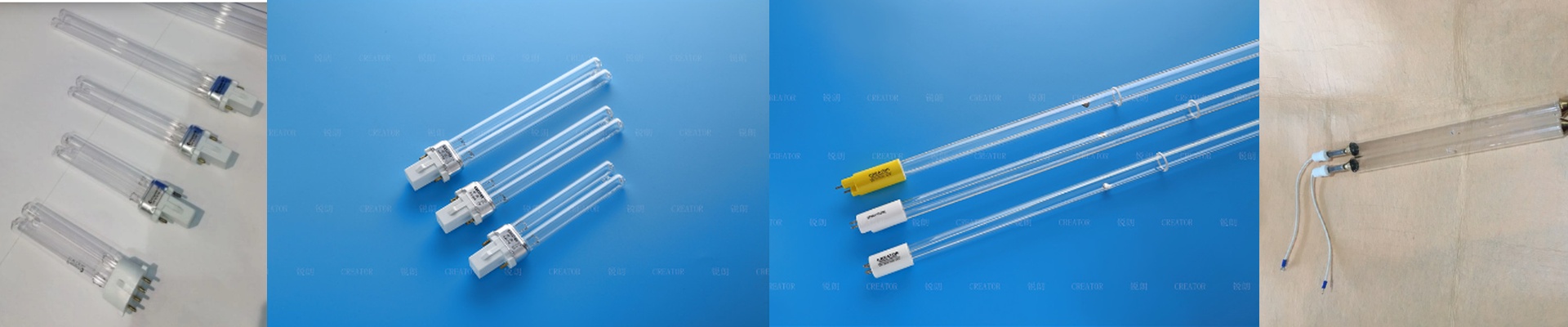
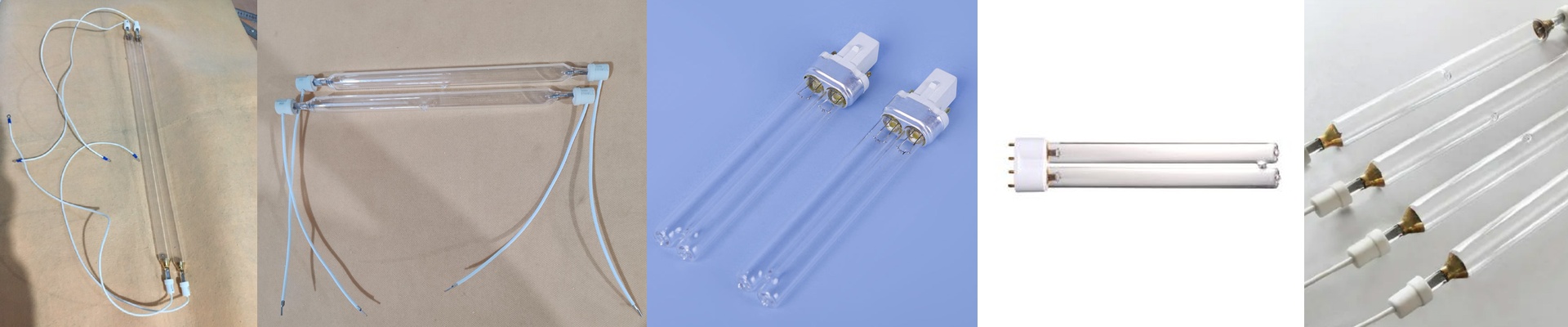
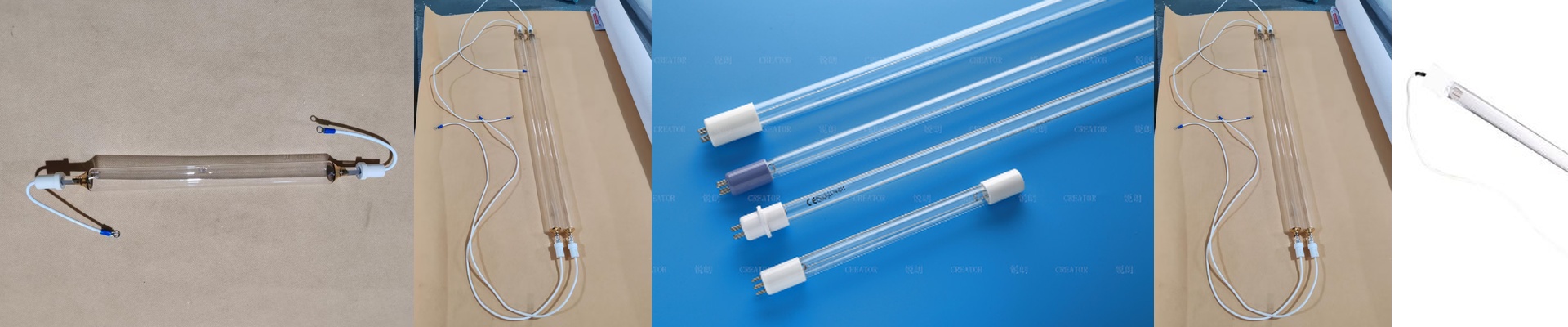
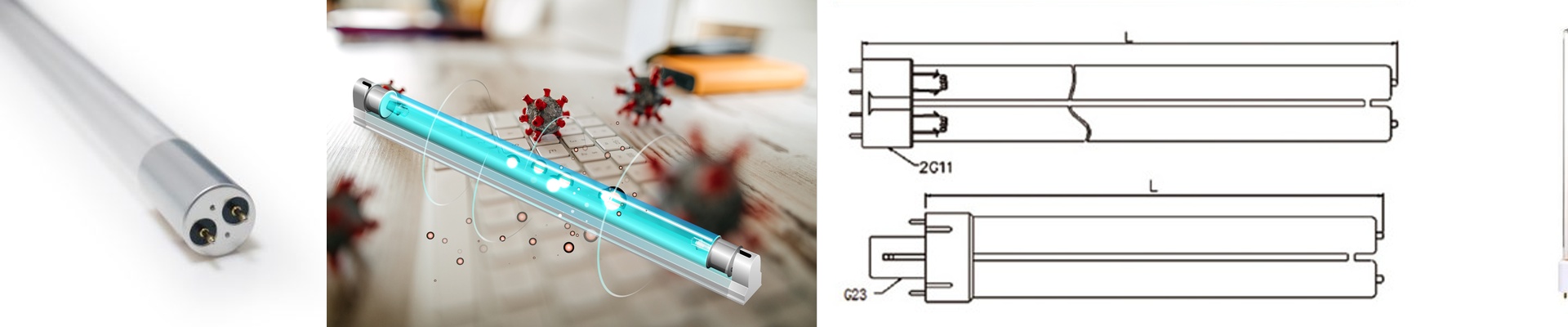
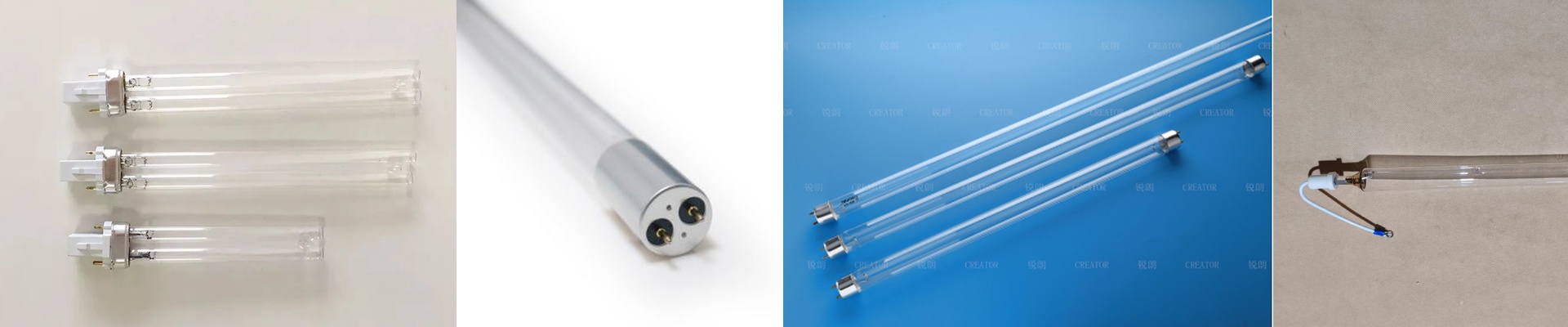
On the press floor, a CE mark is more than a label. It’s a hard promise that the high-pressure mercury UV lamp in your curing station meets harmonized safety and EMC requirements for global shipment, and that the whole system around it can be audited from start to finish. In industrial printing, that matters because noncompliance and inconsistent cure don’t show up as paperwork—they show up as scrap, reruns, and missed deliveries. What matters, technically, is the light itself. High-pressure mercury UV lamps deliver stable, broadband UV output centered on 365nm, with real energy in the 313nm and 385–405nm bands. That spectral profile is what gets photoinitiators moving across different ink chemistries, and it’s what buys you deep through-cure instead of just a surface skin. We lean on quartz envelopes and dichroic reflectors to shape irradiance, keep substrate heat under control, and hold output steady. The result you should expect: repeatable peak irradiance at the focal plane, consistent curing energy density (mJ/cm²), and a lamp life degradation curve you can plan around. Offset, flexo, and screen don’t ask for the same energy delivery. Offset needs high peak irradiance to set ink fast on thin films without distorting the sheet. Flexo needs a uniform dose across the web to lock down pigments and adhesion on flexible substrates. Screen needs deep penetration to fully cross-link those thick deposits. We match the lamp to each press platform so you get repeatable cure at production speeds—less waste, fewer washups, and color that stays put. CE certification isn’t a “component thing.” The entire curing module has to be engineered as a compliant system. Installation has to be right—reflector alignment, lamp positioning, and cooling airflow—otherwise you won’t hit rated irradiance and you’ll shorten lamp life. Plan for ozone management, and go ozone-free where ventilation is tight. And remember: lamp output is sensitive to voltage stability and ignition cycles, so make sure the ballast and connector type line up with your machine’s interface.