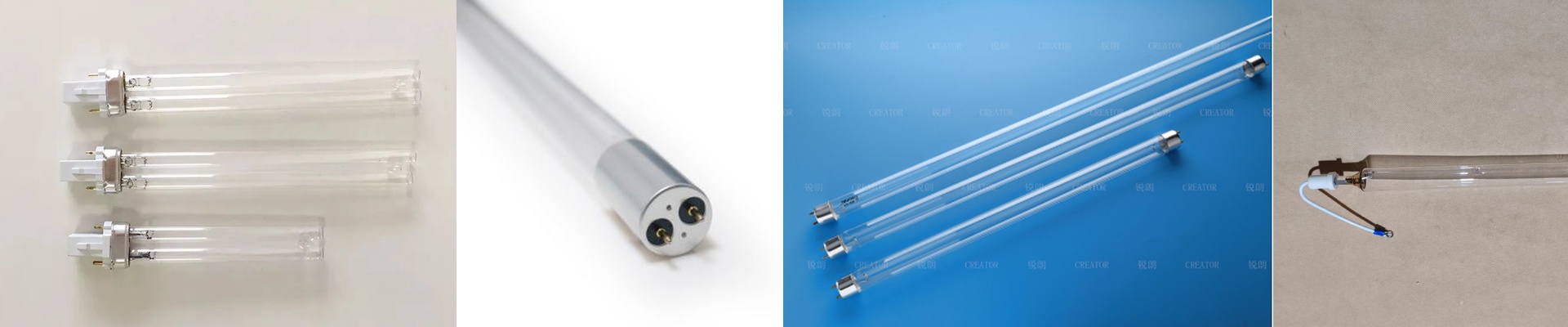
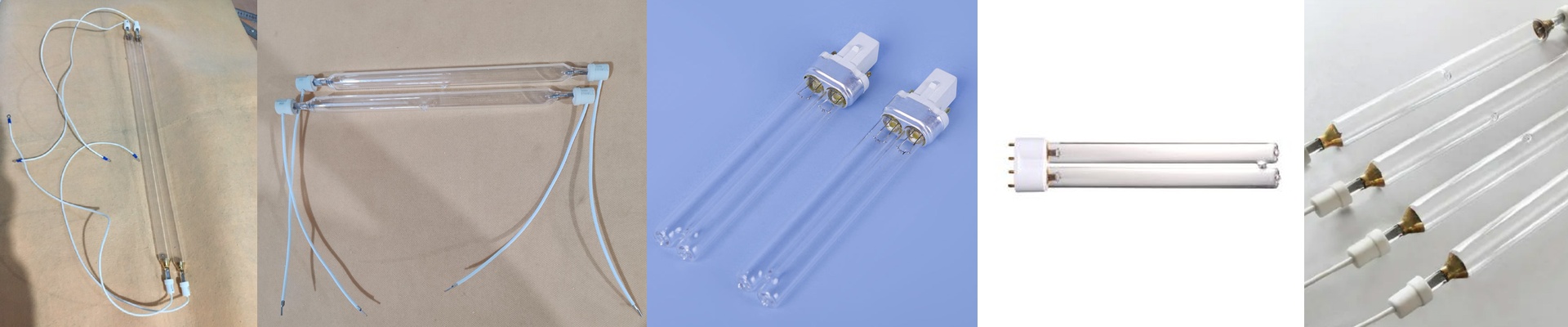
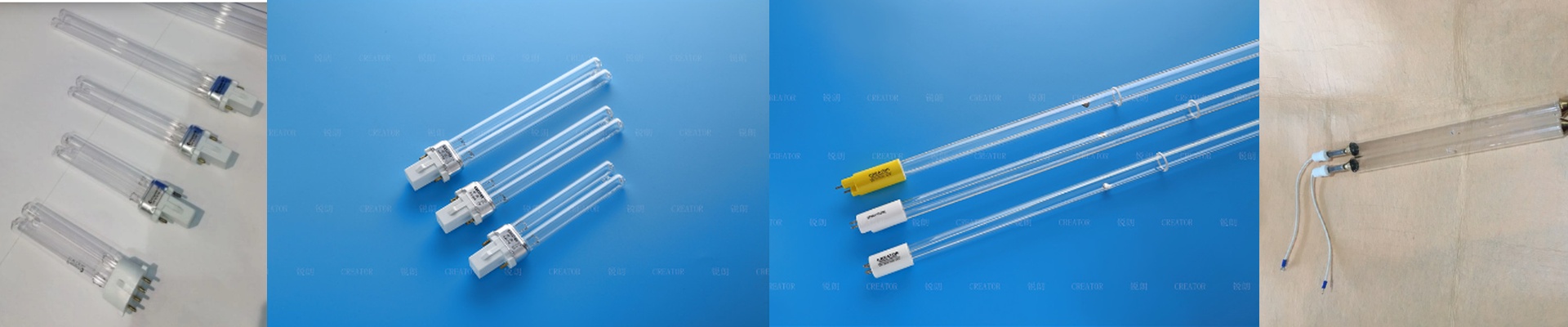
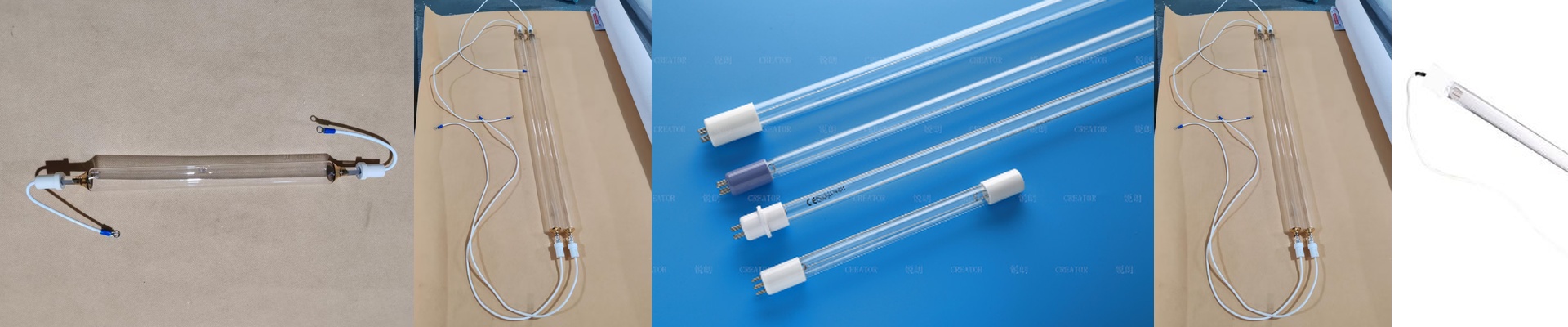
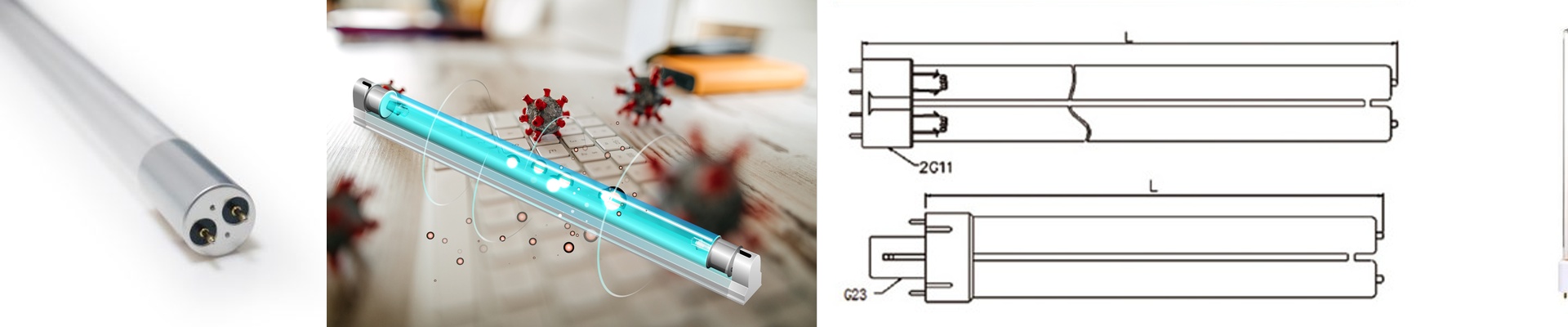
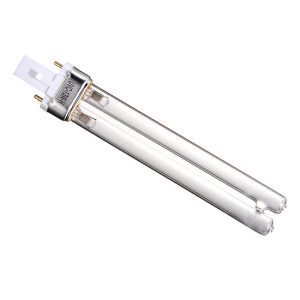
On the garment line, you hear the same complaint over and over: prints crack after washing and water testing. Nine times out of ten, it comes down to under-cured UV ink or coating—because the lamp isn’t throwing enough radiation to drive full cross-linking. When peak irradiance and energy density come up short, the photoinitiators don’t finish their job, and the ink layer stays brittle. What matters, technically We lean on high-pressure mercury lamps with a stable spectral output centered at 365 nm. That’s the wavelength that reliably kicks off the photoinitiators in screen and flexo UV inks. A stable arc keeps output consistent across the full arc length, so you get uniform cure edge to edge. Spec a reflector assembly with a dichroic coating—this pushes more forward irradiance and keeps wasted heat off the substrate. In production terms, aim for a peak irradiance that lands 800–1200 mJ/cm² on the coating surface. That’s enough to penetrate the top layers and get you a true depth cure. Lamp life is no small detail. Our lamps hold better than 90% output for 2000+ hours, and we’ve got units running 5000+ hours with less than a 5% drop. Why this works on the line With higher irradiance and stable spectral output, the ink cures through the full film thickness, not just the skin. That translates to stronger adhesion and better wash resistance, so prints survive repeated laundering without splitting. You can also run faster without giving up cure, because the lamp delivers the required energy density in a shorter dwell window. Over the life of the system, stable output cuts rework and scrap, and fewer lamp swaps mean less downtime. Things to keep straight Set the focal distance right and double-check reflector alignment—misalignment can knock effective irradiance down by 20% or more. Make sure the power supply and cooling airflow are matched; under-cooling accelerates output decay. Lamp output is sensitive to line speed and substrate reflectivity, so measure cure with a radiometer and tune settings to your ink formulation. Expect a warm-up period before spectral output stabilizes, and plan lamp replacement around your production windows.