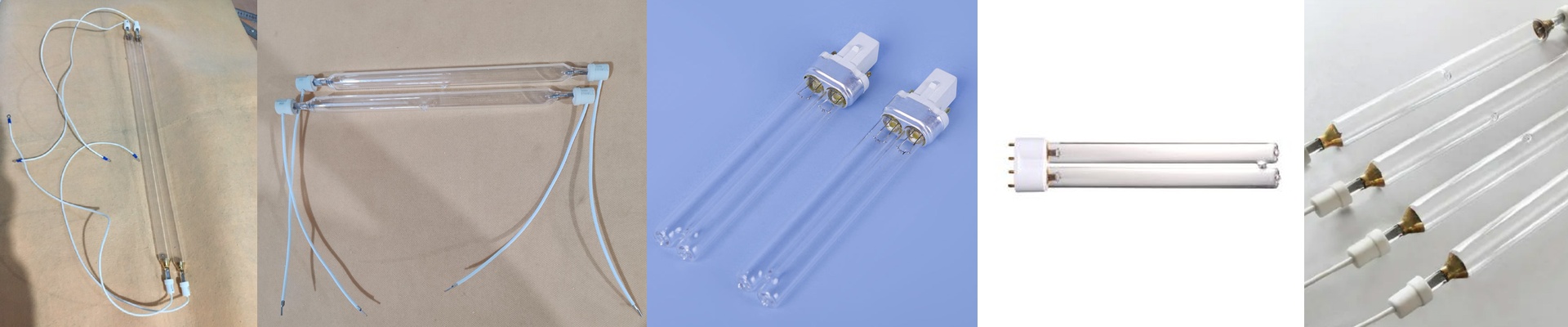
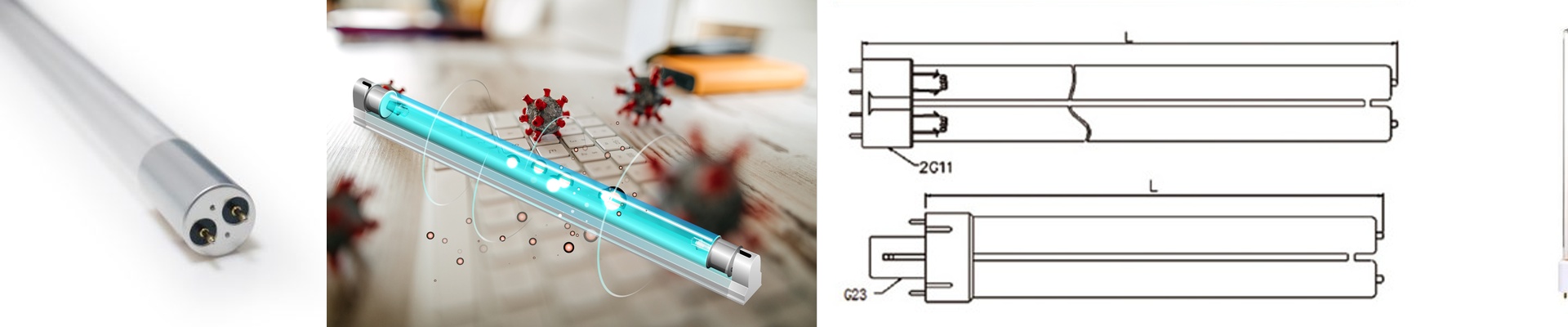
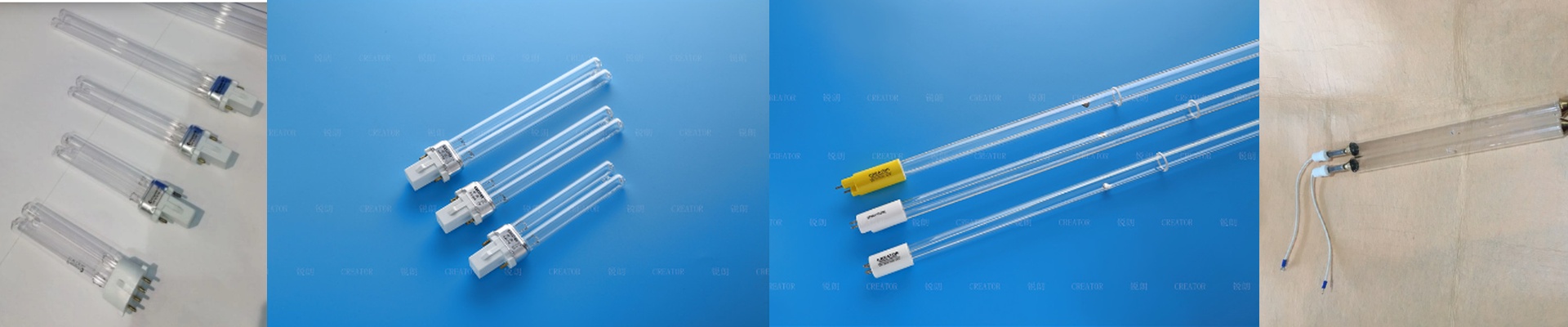
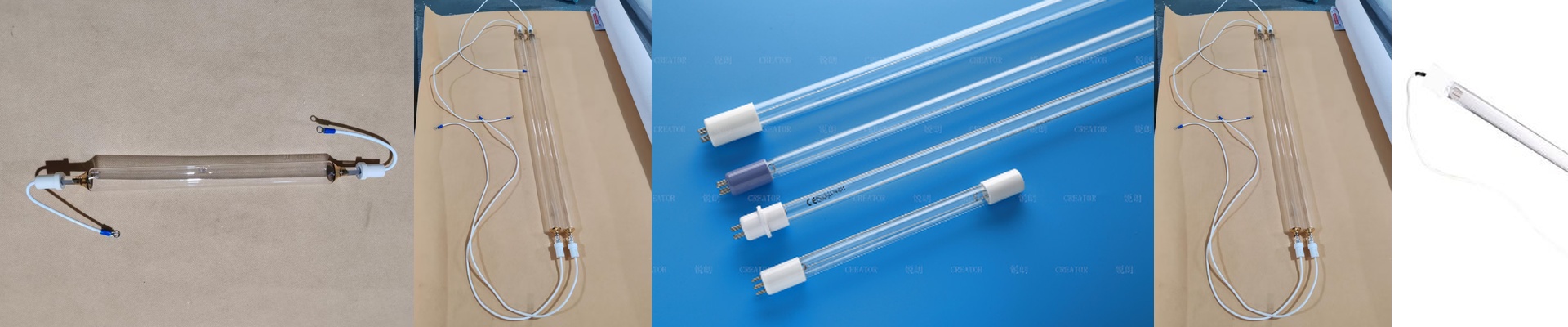
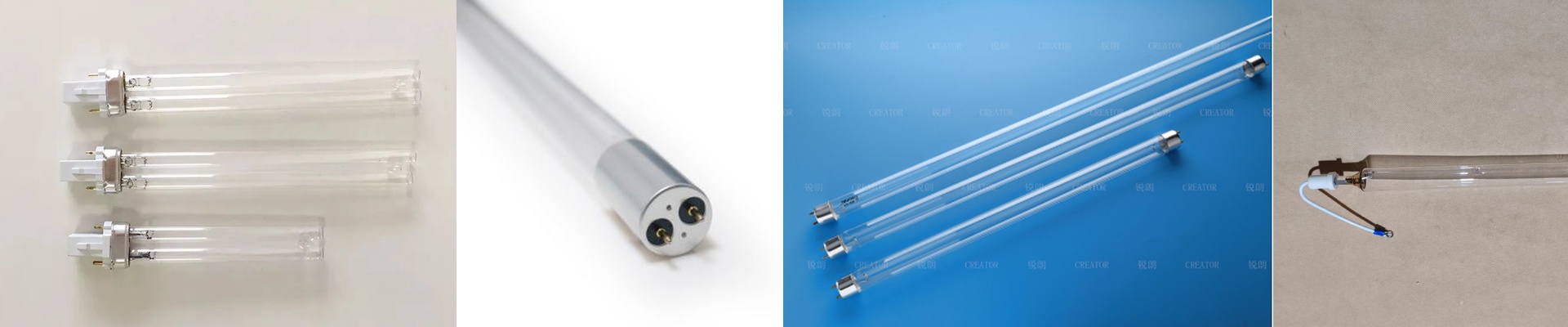
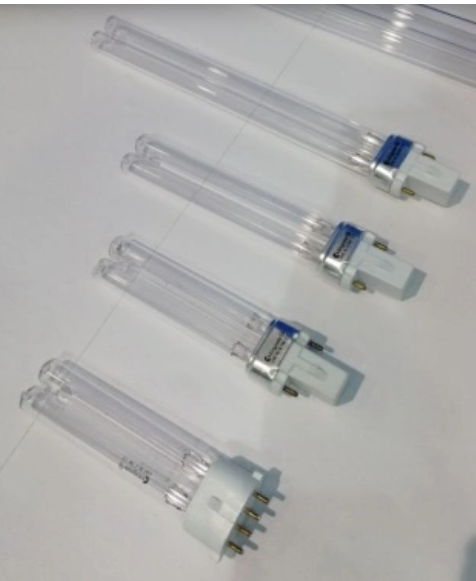
On the press floor, downtime for lamp swaps and cure that drifts are the two quiet killers of unit cost. When a UV lamp starts to lose output, you either back off the speed to compensate or you risk uncured ink piling up on the stack. The straightest path to a lower cost per piece is a lamp that holds its spectral output steady over thousands of hours—backed by a power supply and ballast that give you reliable ignition and repeatable energy, shift after shift. What actually matters, technically UV curing is a photochemical reaction. It comes down to spectral output, peak irradiance, and the delivered energy density. A high-pressure mercury vapor lamp has to hold stable emission lines at 365 nm and 395 nm to match what the photoinitiators in the ink absorb. The power supply and ballast control arc current and keep lamp power consistent, so UV intensity doesn’t wander. You want output that stays within ±3% over the life of the lamp, and you want to maintain peak irradiance above 1200 mW/cm² at the substrate plane. Reflectors with dichroic coatings shape the spectrum and keep heat off the web, while an ozone-free design protects materials that can’t handle ozone. A true lamp life of 8000–10000 hours, with less than 5% decay, is the practical target. Why this matters in printing Longer lamp life means fewer changeouts, less maintenance labor, and fewer stops. Low decay keeps cure energy steady, so you can run at full speed without chasing color or adhesion. Stable spectral output reduces the need to over-print or rework, which cuts ink and substrate waste. Paired with an efficient ballast, energy use per cured sheet drops because the system isn’t constantly over-driving to make up for fade. The payoff is predictable throughput and repeatable quality, shift after shift. Here’s what you need to get right Matching is not optional. The lamp, reflector, and ballast have to be specified as a system—tied to your press width, substrate speed, and ink chemistry. Check ignition voltage and arc length to avoid hot spots and uneven cure. Operating temperature matters. Keep airflow and cooling designed for the lamp envelope, or you’ll accelerate aging. If you’re retrofitting, expect a tighter form factor—clearance at the reflector ends is often the constraint. And plan for proper lamp disposal and ozone handling, even with ozone-free designs.