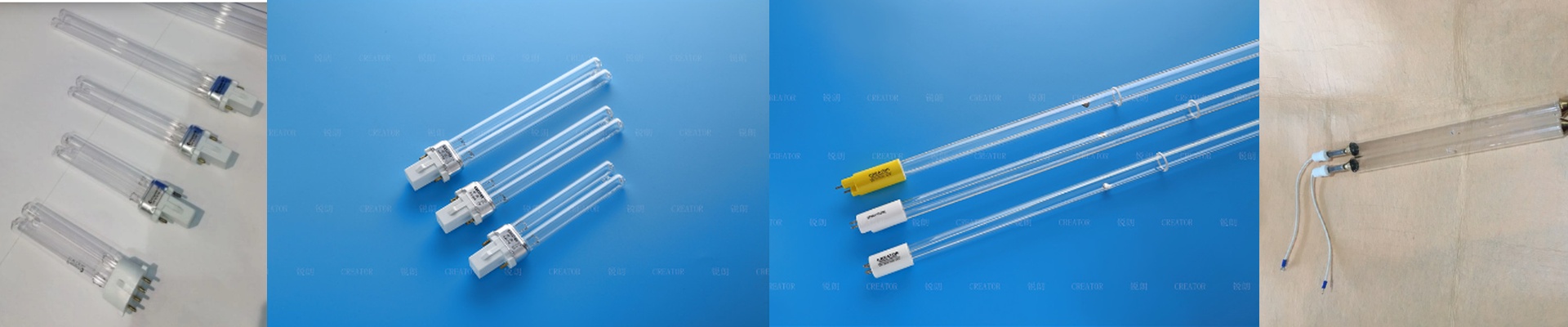
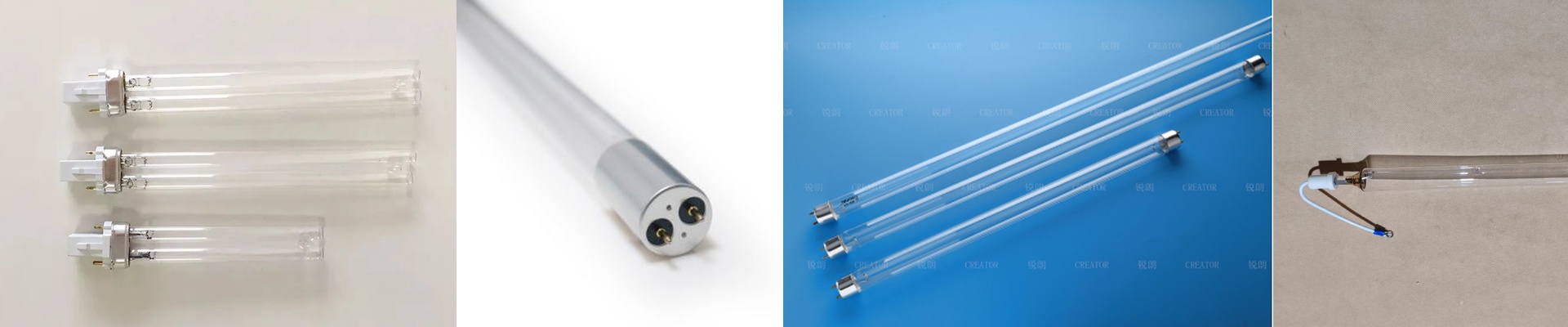
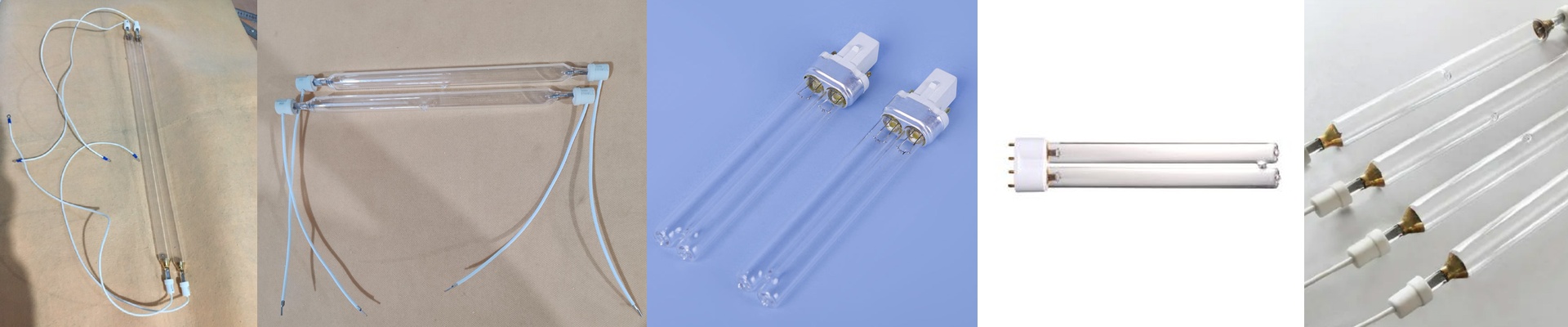
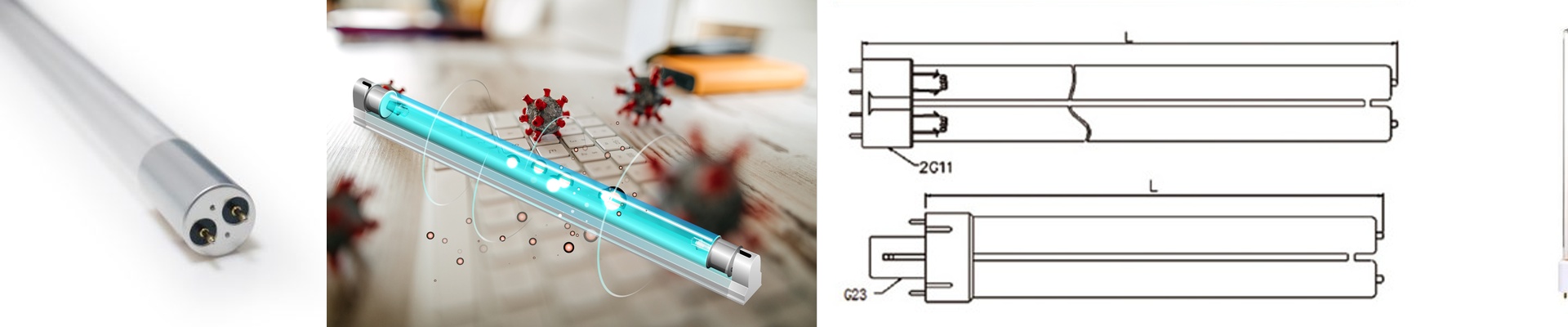
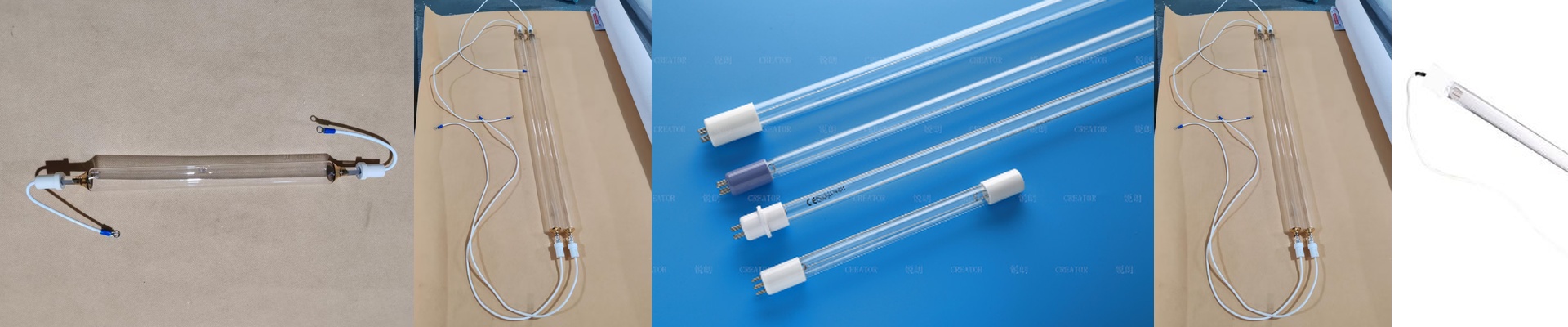
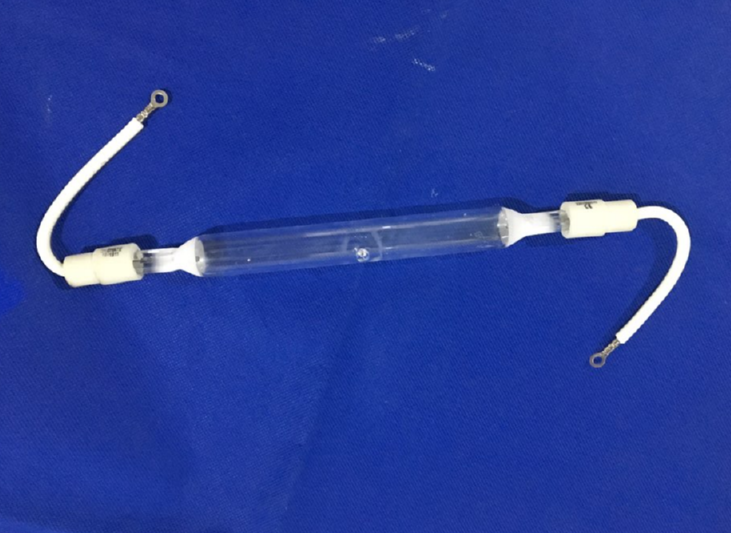
You don’t pick up a UV germicidal lamp for the back of house just to hang a tube. You buy it to kill pathogens — predictably, measurably, and with confidence. In a commercial kitchen, inconsistent disinfection opens the door to cross-contamination, code violations, and a hit to your reputation. A generic lamp may throw off light, but without the right spectral output and irradiance you can verify in the field, you’re left guessing at kill rates. What actually matters, technically We build these systems around low-pressure mercury vapor lamps, tuned to the 254nm output that microorganisms absorb hardest — the wavelength that breaks down DNA and RNA. We talk in dose at the surface, measured in mJ/cm², not just wattage on paper. Peak irradiance is set to the distance between the lamp and the contamination plane, and reflectors get dichroic coatings to keep 254nm reflectivity high while we manage heat. Ozone-free quartz envelopes keep the indoor air chemistry where it needs to be. Why this works in real kitchens We start with a field diagnostic: measure airflow, map surface geometry, and flag shadows, then lay out coverage to hit the required dose. The payoff is predictable log reduction, faster sanitation cycles, and fewer hands-on steps. Energy use stays sensible because lamps are sized to the actual duty cycle and fixture spacing, not overblown. On the floor, that translates to fewer outbreaks, cleaner audits, and compliance you can count on. What you need to keep an eye on UV intensity drops as lamps age and as quartz fouls, so you verify dose quarterly with a calibrated radiometer. Lamp orientation matters — shadows behind equipment create cold spots that undercut everything. Installation has to be planned for line-of-sight, and interlocks are non-negotiable to keep exposure off the table during maintenance. Schedule reflector cleaning and plan lamp replacement to keep the dose curve where it should be.