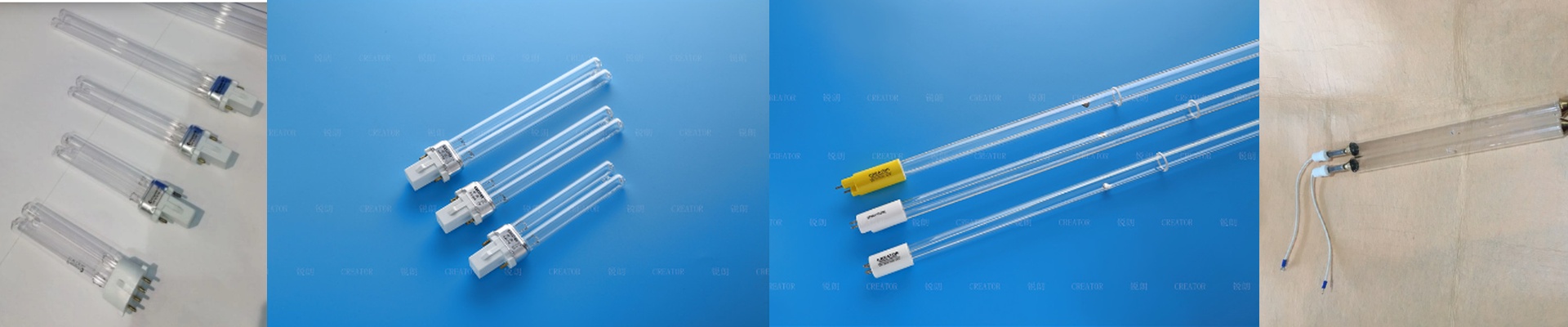
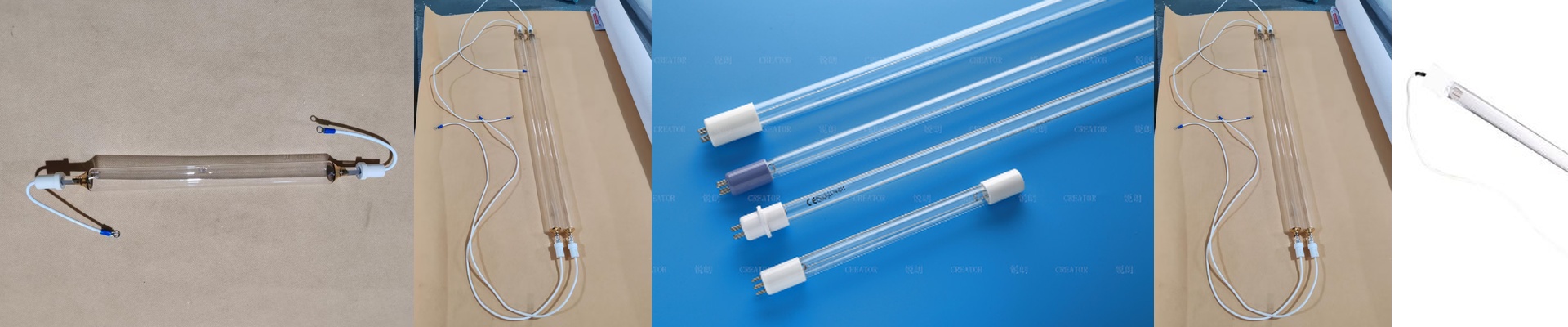
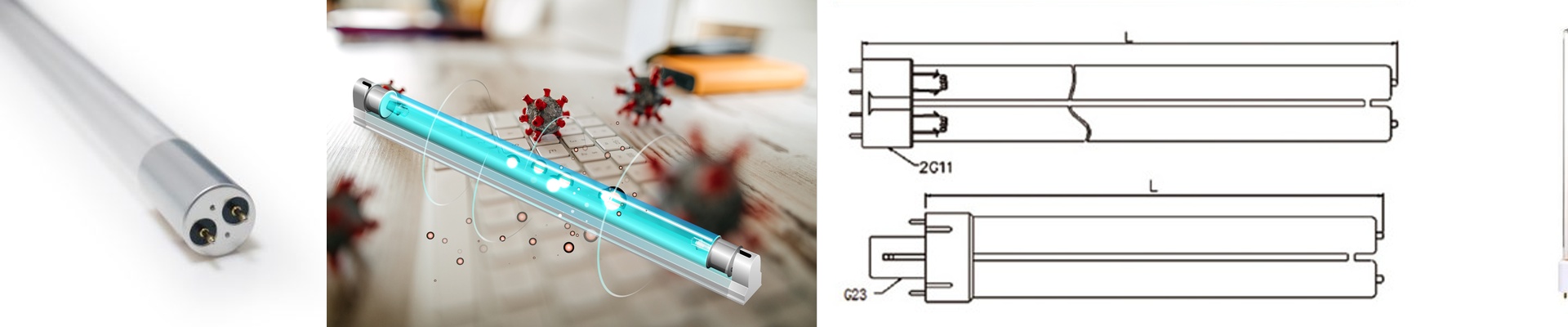
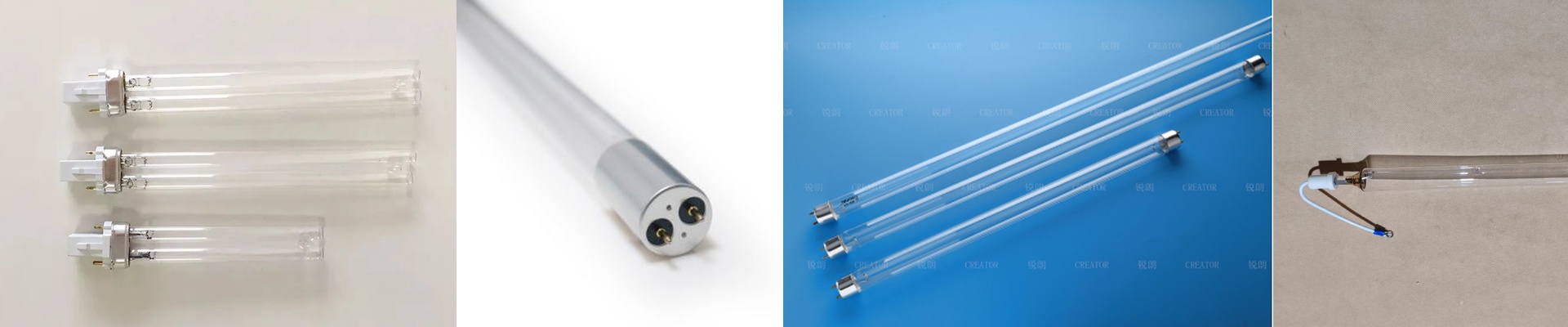
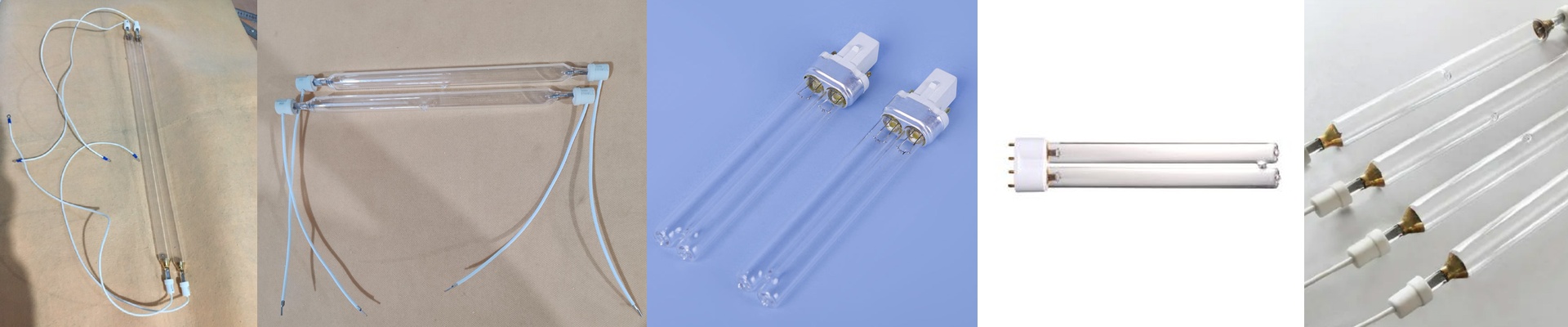
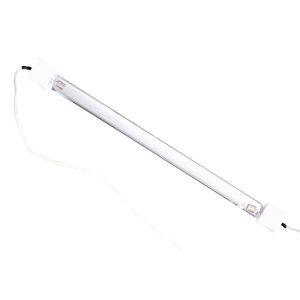
On the floor, downtime isn’t just labor—it’s lost press hours. When the UV lamp goes down, the line stops with it, and your inventory buffer disappears fast. We build UV lamps to keep art restoration and industrial printing workflows running, and we keep them moving with a supply chain that doesn’t make you wait. What matters under the hood We spec mercury vapor lamps with controlled spectral output at 365nm and 385nm to match the photoinitiator absorption in restoration-grade coatings and inks. Peak irradiance at the substrate hits 800–1200 mW/cm², putting cure energy density above 600 mJ/cm² in a single pass. Reflectors use high-purity anodized aluminum with dichroic coatings to shape the beam, cut IR heat, and protect dimensional stability on delicate substrates. Arc lengths are matched to common curing stations, and power comes through standardized connectors so the swap is quick. Here’s the reality: you need fast turnover and no inventory pressure. We stock these lamps and ship them on an expedited schedule, turning changeover from hours into minutes. Whether you’re running offset, flexo, screen, or gravure, we dial in wavelength, intensity, and cure profile to the press—so you can run full speed without chasing ink set points. The payoff is fewer stoppages, consistent cure run to run, and consumable planning you can actually count on. A few shop-floor reminders Matching lamps to machines isn’t a “maybe.” Check reflector geometry, shutter travel, and cooling airflow before you install—mismatches drop irradiance and shorten lamp life. Output falls as the lamp ages, so put spectral radiometer checks on the calendar every 2,000 hours. And remember, high-intensity UV sources need ozone-free operation and proper shielding—always confirm enclosure interlocks and ventilation are in place.