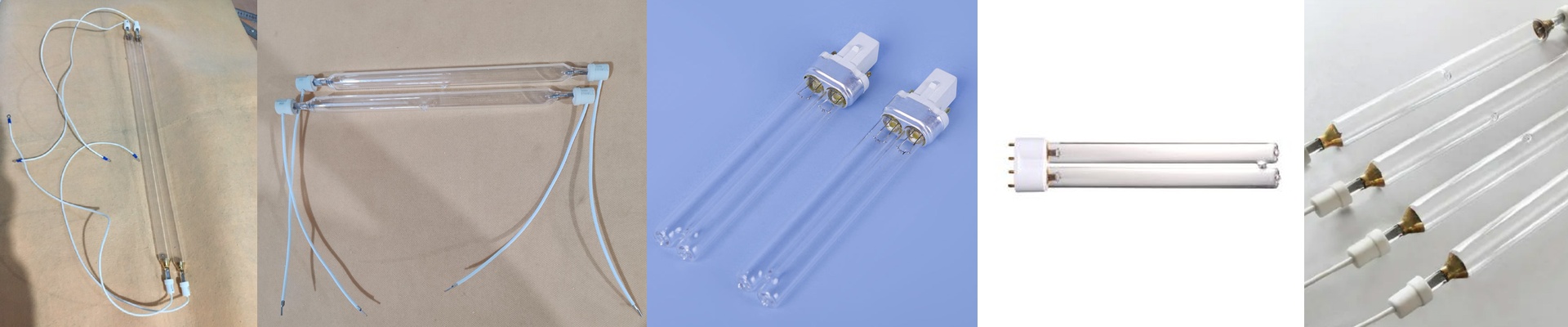
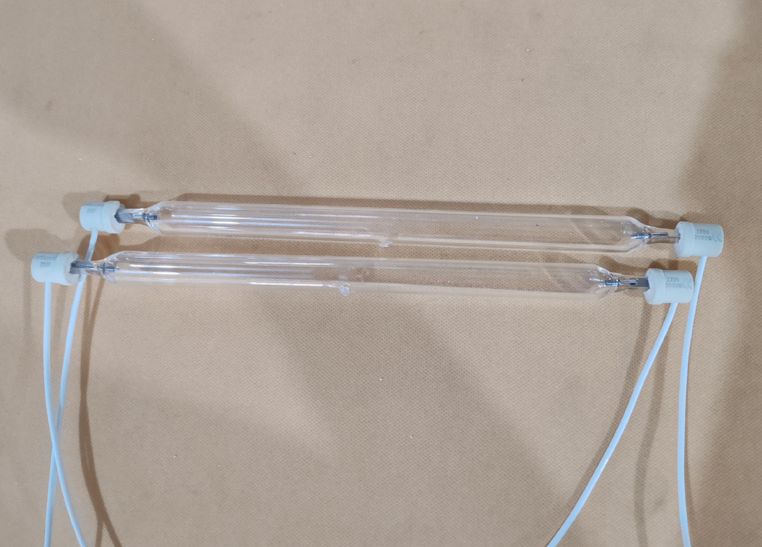
Getting the Wavelength Right: Why Your UV Lamp Actually Matters
Let’s be honest. Most people look at a UV lamp and just see a bulb. But if you’re in R&D or running an industrial line, you know it’s more about the photons. When you order a custom lamp from our shop in China, you aren’t just getting a piece of glass. You’re getting a tool tuned to a very specific frequency—the kind that actually triggers your chemical reaction or cures your resin without messing things up.
The Trick to Spectral Control
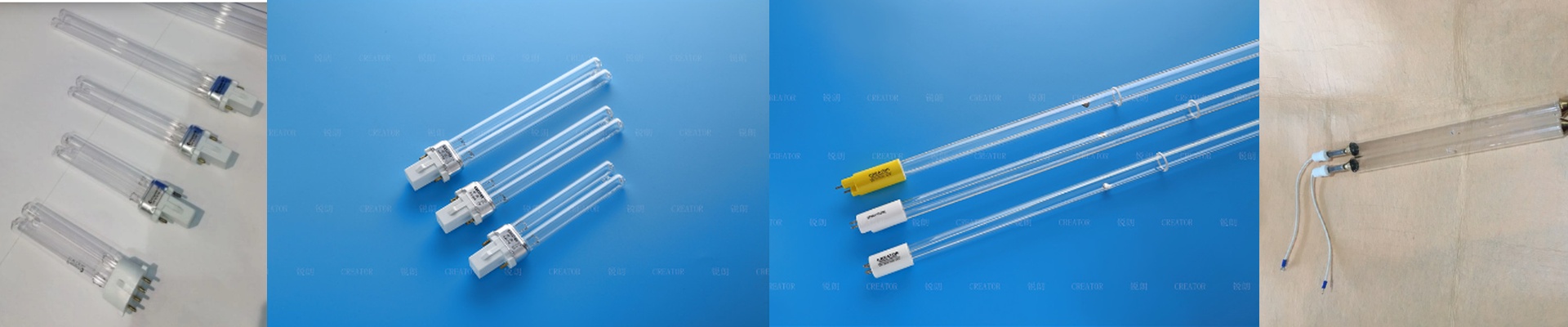
Here’s the thing with off-the-shelf lamps: they’re messy. They bleed energy all over the place. If you’re doing high-end work, that waste isn’t just inefficient—it’s a problem. We fix this by playing with the chemistry inside. We tweak the gas mixture (usually mercury vapor) and dial in the pressure inside the quartz envelope. By messing with the arc voltage and current density, we can shift the peak emission right where you need it. Need 254nm for sterilization? Or maybe a specific shortwave peak for photoresist exposure? We just adjust the electrode materials and the gas fill until we hit that exact mark.
It All Starts With the glass
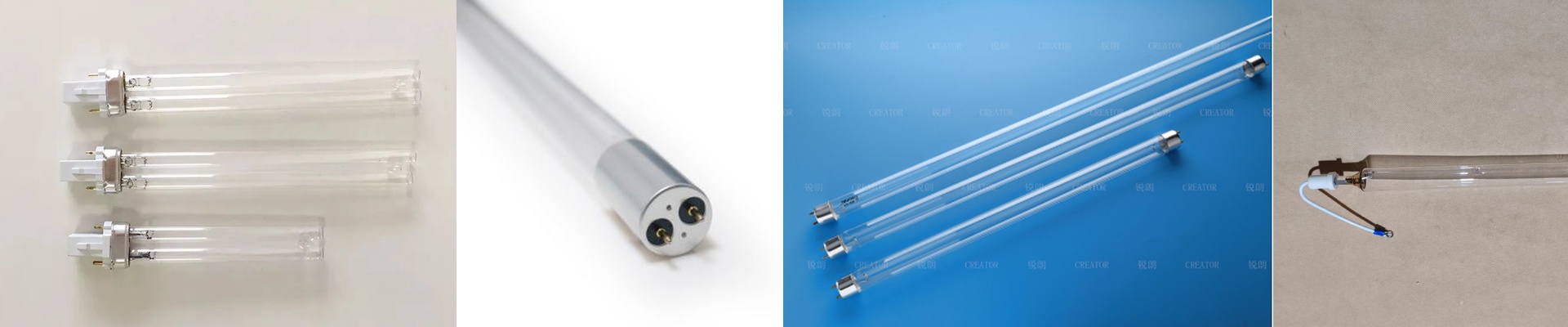
Cheap lamps usually fail because of the glass. Period. Standard glass is basically a wall that blocks UV. That’s why we use high-purity fused silica quartz. It actually lets the light through. And if you’re worried about “stray” light, we can add specialized coatings to the outside. This filters out the UVC or UVB rays you don’t want, so only the right band hits your material. It’s the best way to make sure you don’t over-cure your project or degrade the substrate.
A Quick Word on Heat
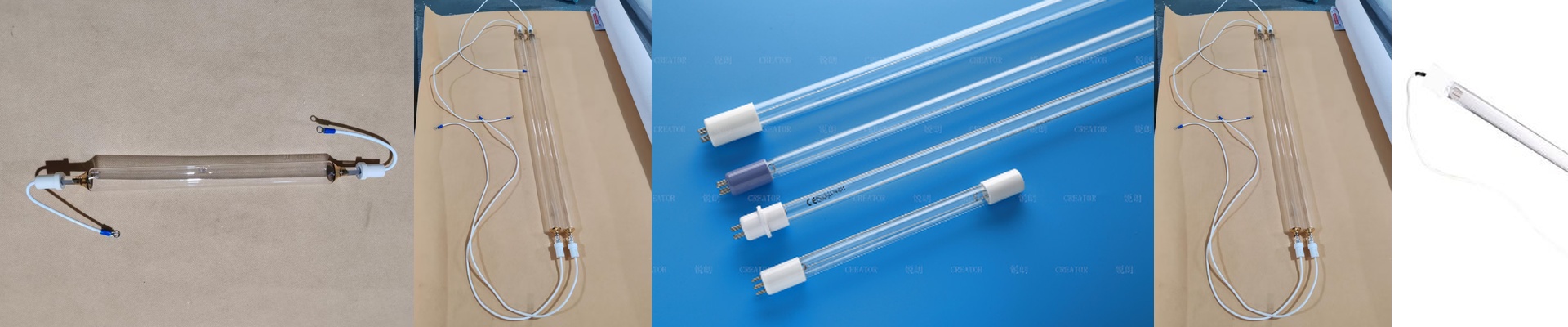
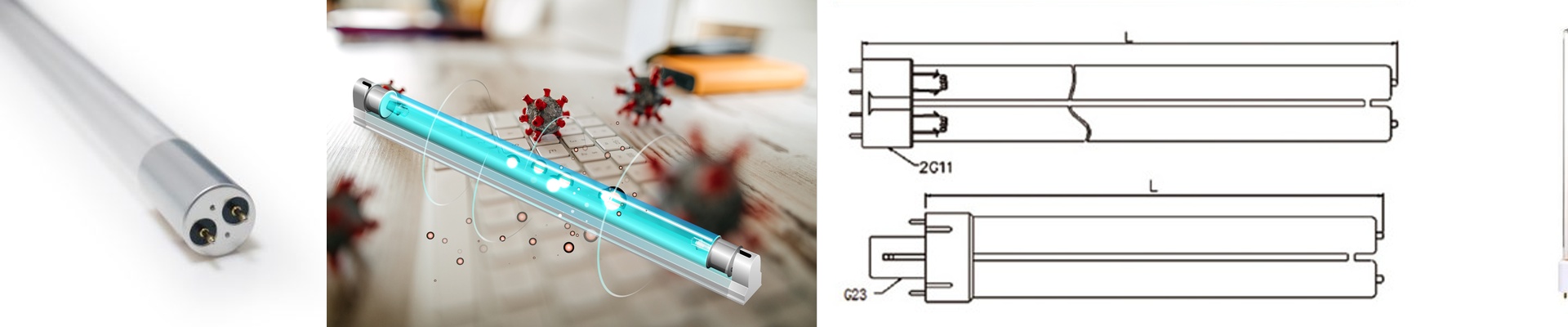
One thing to keep in mind: high-intensity UV getshot. Really hot. If we crank up the wattage to give you more photon flux, your housing is going to feel it. You can’t just slide a high-power custom lamp into an old fixture and hope for the best. That’s a recipe for a cracked quartz envelope. We always suggest adding some active cooling or a solid heat sink. To make it easy, we’ll send over the exact footprint and electrical specs. That way, you can get it wired up without worrying about blowing a ballast.