Stop Replacing Your UV Tubes Every Five Minutes
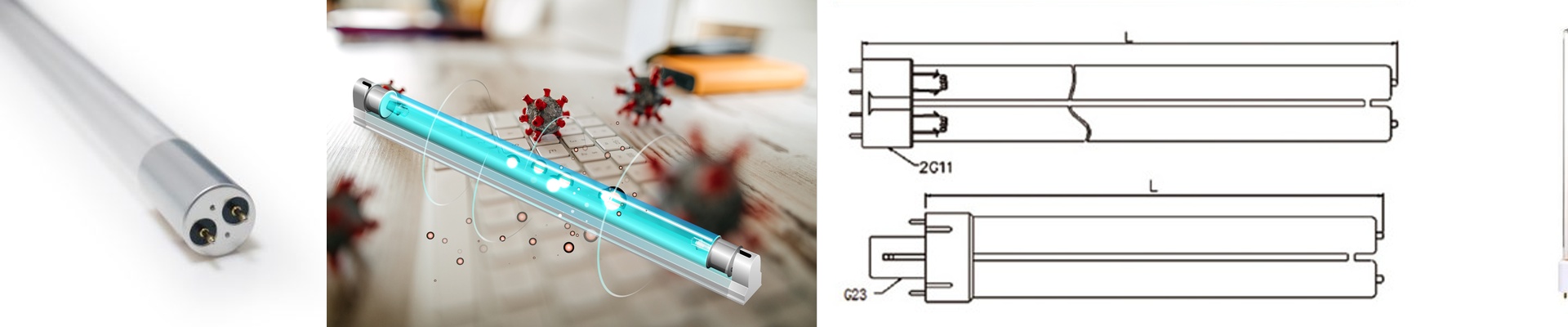
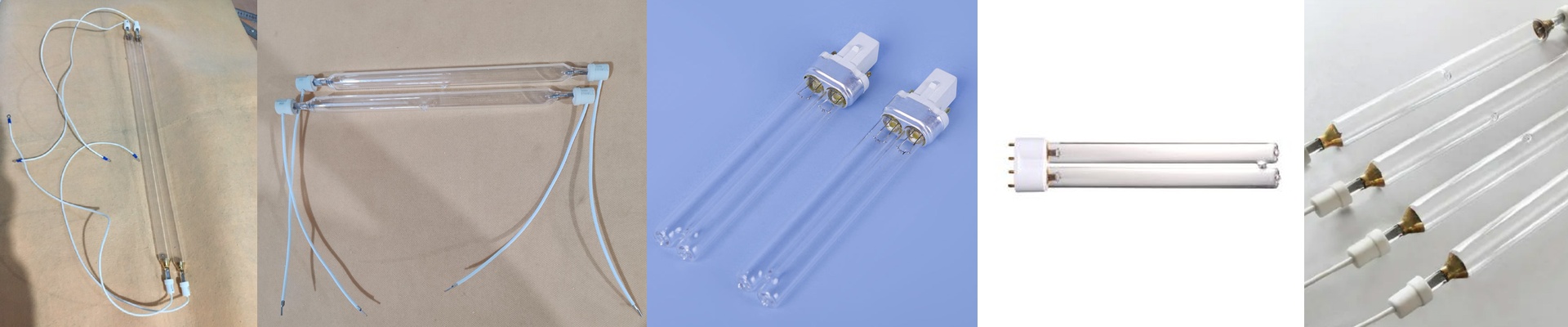
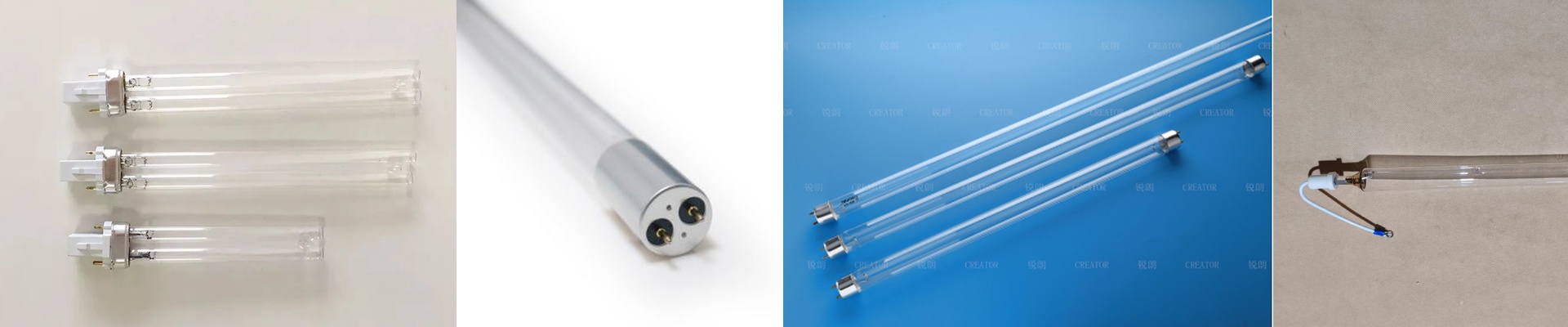
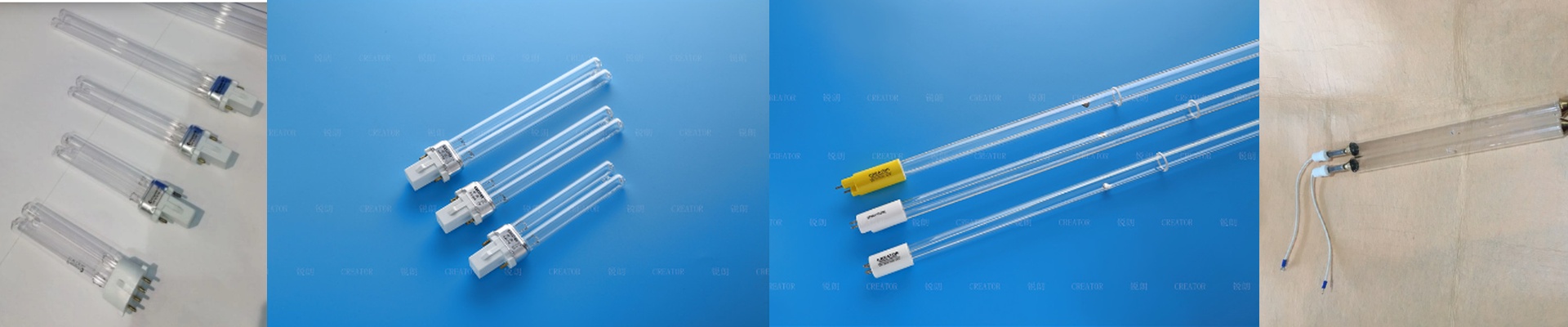
Let’s be honest: most UV lamps are a pain. They burn out way too fast, which means you’re stuck in a loop of constant downtime and a mountain of waste. It’s frustrating. We wanted to fix that, so we focused on two things: high-purity quartz and smarter electrode geometry. The goal? Tubes that actually last and a production process that doesn’t mess with the planet. The secret is in the glass. We use synthetic quartz with high transmittance. Now, this isn’t just about making the glass look clear. It’s about stopping “solarization”—that annoying process where the glass darkens over time and kills your UV output. With this stuff, your output stays steady for thousands of hours. Plus, we stripped out the hazardous additives in the glass melt. That means when these tubes finally do hit the end of the road, they aren’t leaking toxins into the environment. Making them last Longevity really comes down to how we handle the arc. We tweaked the electrode composition to stop “sputtering.” If you’ve ever seen metal particles migrate and coat the inside of a tube, you know how quickly that tanks your lumen output. We’ve stopped that from happening. If you’re running these in a high-duty environment, you’ll simply notice you aren’t swapping them out nearly as often. And since we keep our tolerances on length and diameter incredibly tight, they just slide right into your existing fixtures. No modifications, no headaches. Just drop them in and go. One thing to keep in mind… Here’s the catch. Because this quartz is so pure and the electrodes are optimized, the tubes transmit UV more effectively. The trade-off? They run hotter. You’ll want to double-check that your cooling fans or water-jackets can handle the extra heat. If your airflow is choked, the lamp is going to wear out faster, no matter how good the materials are. We build these for the engineers who are tired of the “cheap” option. We’re talking to the people who would rather have a smaller environmental footprint and fewer midnight maintenance calls than a lower upfront price tag.