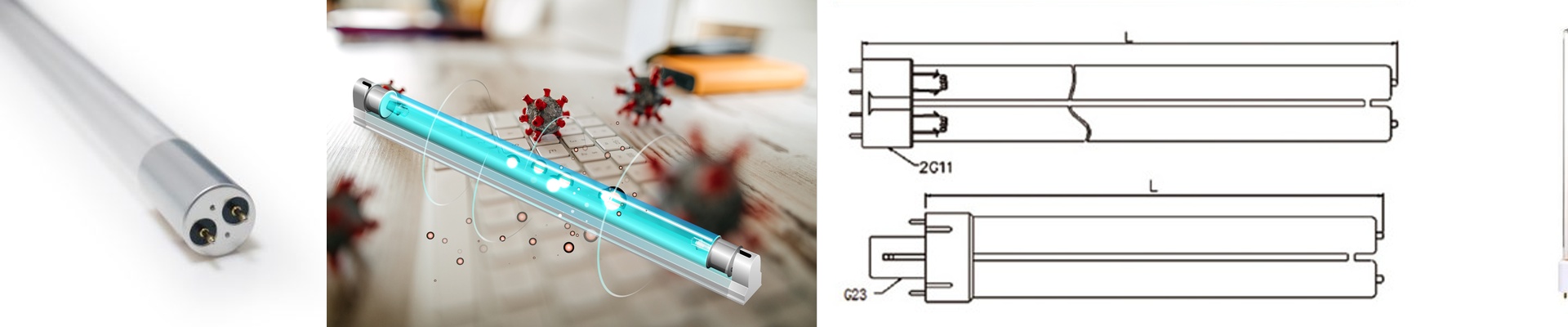
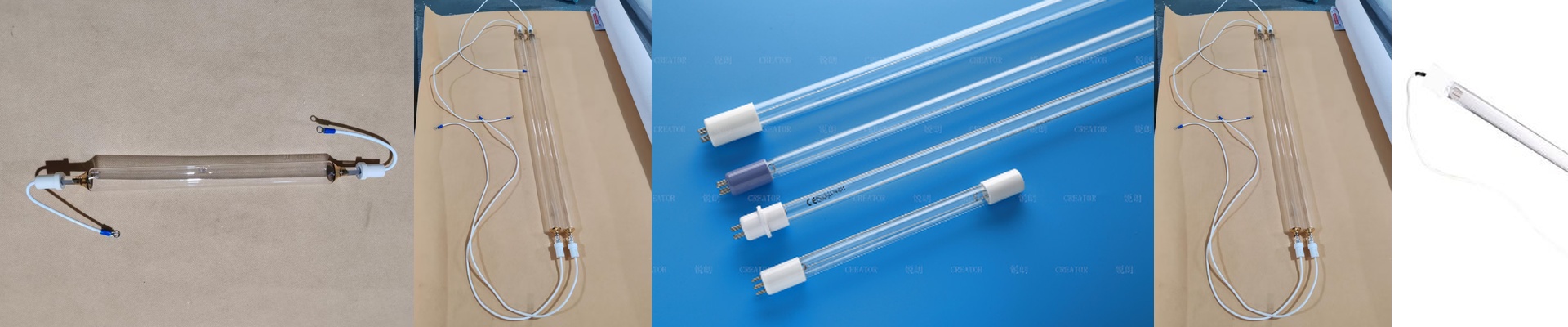
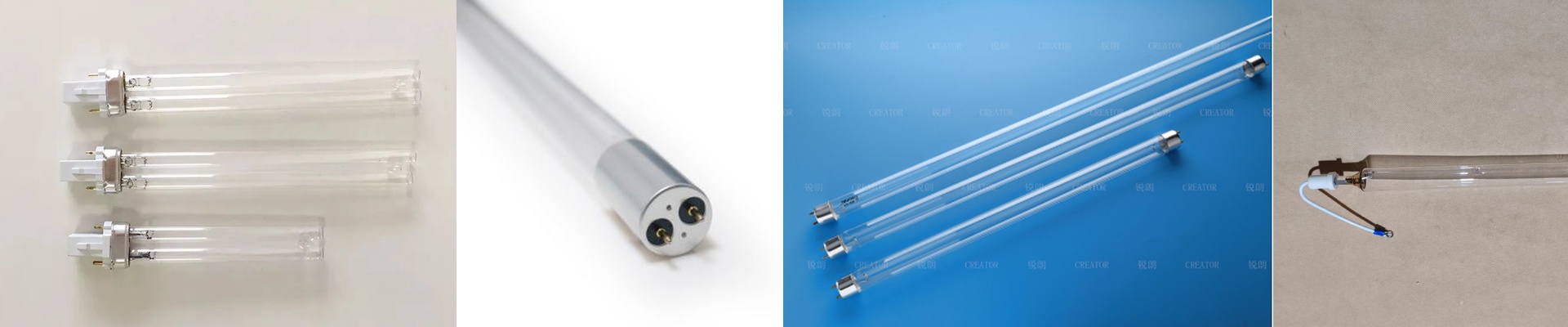
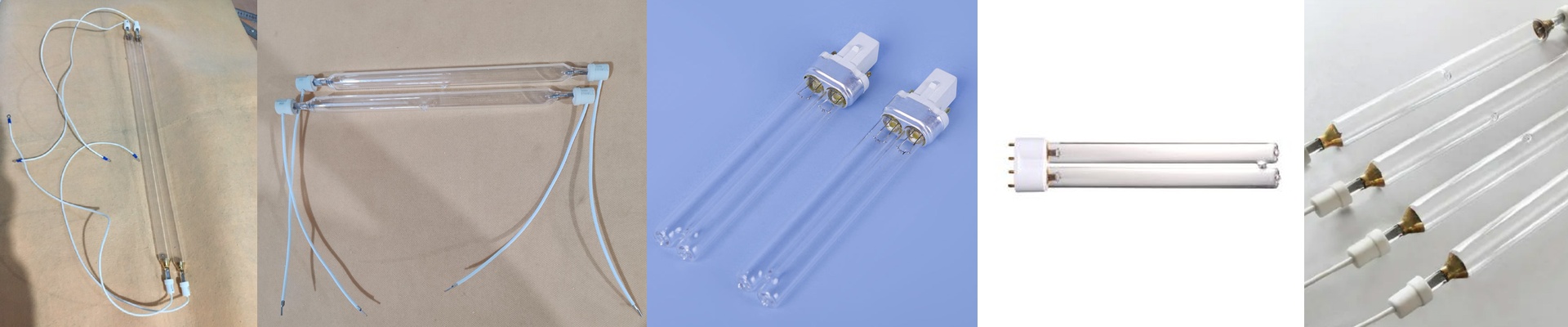
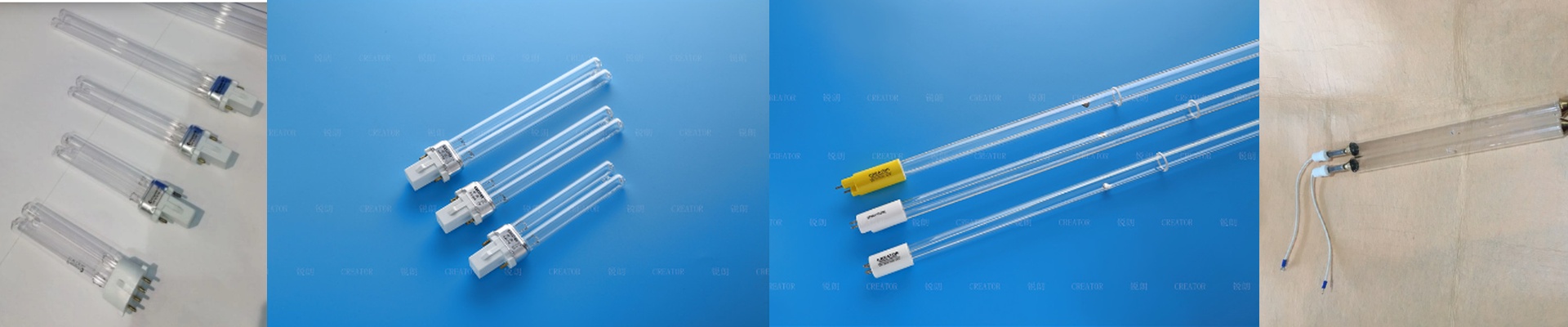
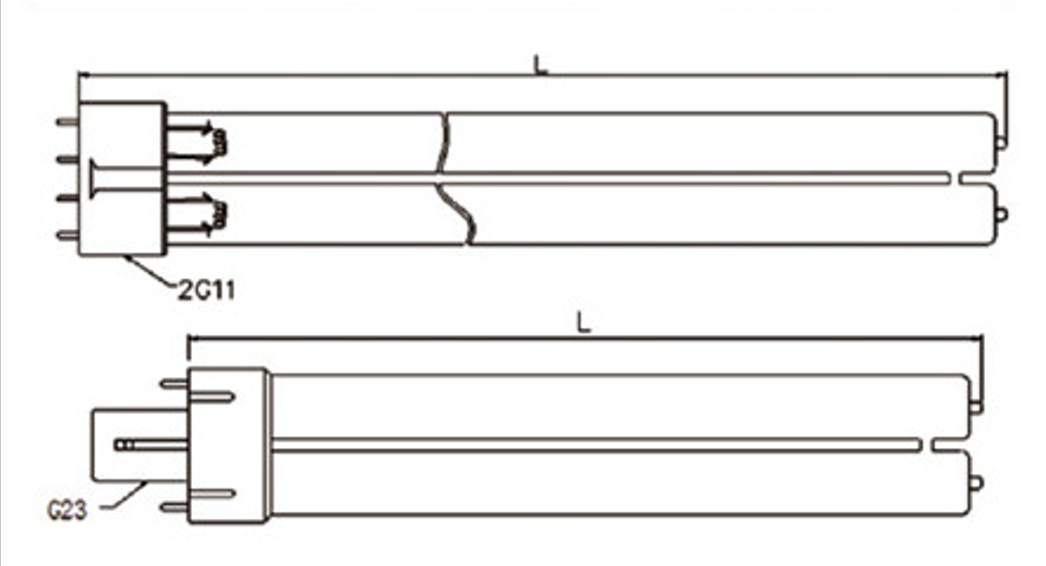
We spent years on the floor of over 3,000 printing plants, and that changed everything. We stopped theorizing about what a UV lamp should be and started building what the machines actually need. The result? An industrial UV germicidal lamp made for the real world—built for production lines, not lab benches. Here’s the power story, straight from the shop floor. We spec’d this lamp to stay steady when the press is flying. It runs on 400V because printing lines already carry heavy electrical loads—so the lamp draws less current, and you don’t get that annoying voltage drop along long cable runs. The 2500W rating isn’t for show. It’s tuned for high-intensity exposure, so inks and coatings cure at line speed. No slowing down. No holding your breath. And the size? The 300mm tube length is deliberate. Long enough to cover the curing zone. Short enough to keep the footprint tight. That means it drops straight in as a replacement for legacy fixtures—no forcing a machine redesign. Now, what it’s made of—and why it matters. UV lamps get hammered: heat, solvents, and the constant on/off rhythm of a busy press. So we built the envelope from high-purity quartz. It handles thermal shock and keeps UV transmission strong, even when things run hot. The inner coating is tuned to stabilize the UV-C output spectrum, so you get repeatable germicidal performance, shift after shift. And the R7s connector? It’s more than just convenient. It’s a tough, two-point contact design built for high current and to resist arcing. That makes wiring clean and swaps fast. Changeovers get quicker because the lamp is easier to plug in and get back to work. On the press, curing speed and uptime aren’t optional. This configuration gives you high heat density and consistent UV output, so curing happens fast and even across the substrate. It fits right into existing press setups as a direct replacement for standard UV fixtures. One thing to keep in mind: with 2500W, you need cooling handled properly. Make sure airflow and heat management are set up the way the lamp expects. Otherwise, it and the fixture will run hotter than designed.