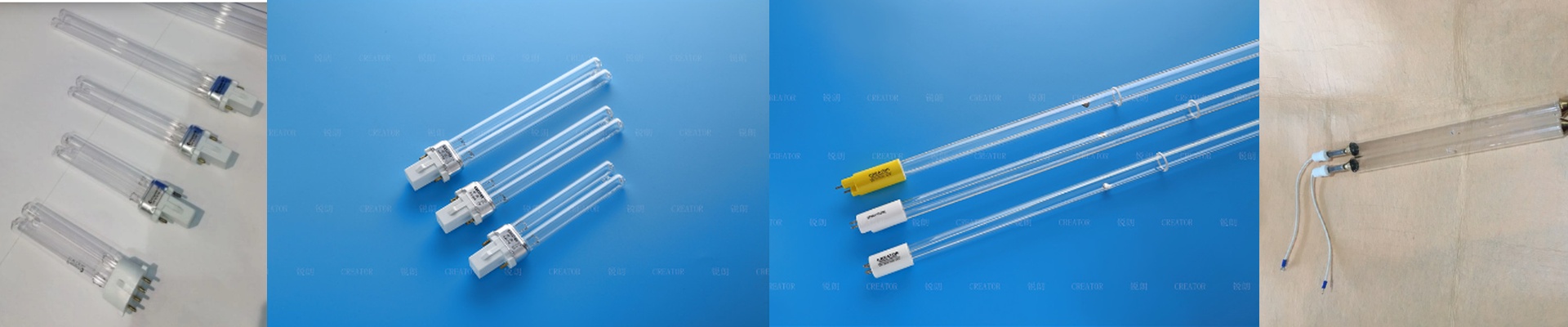
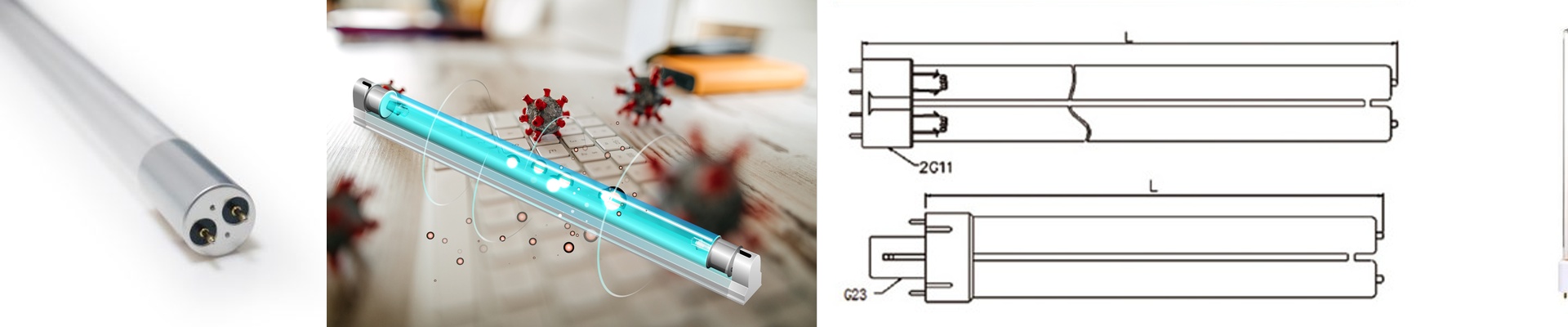
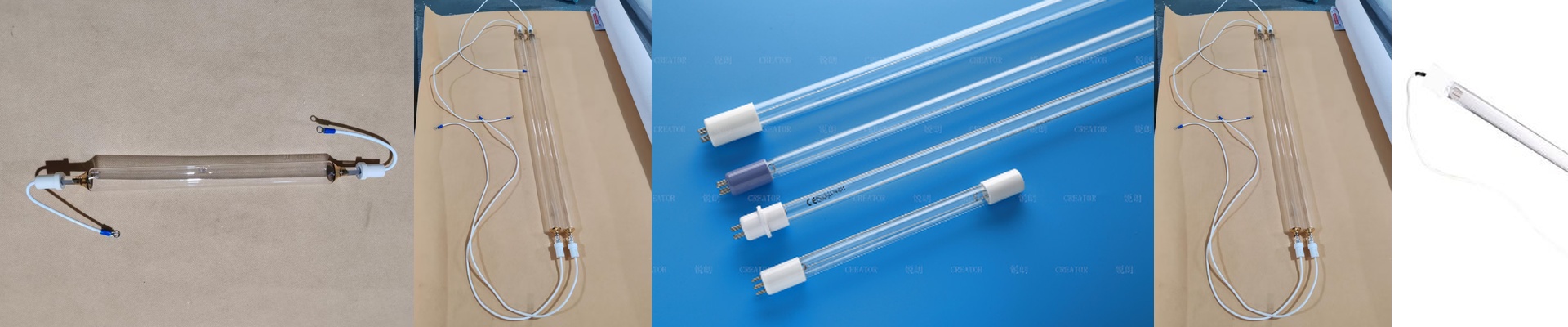
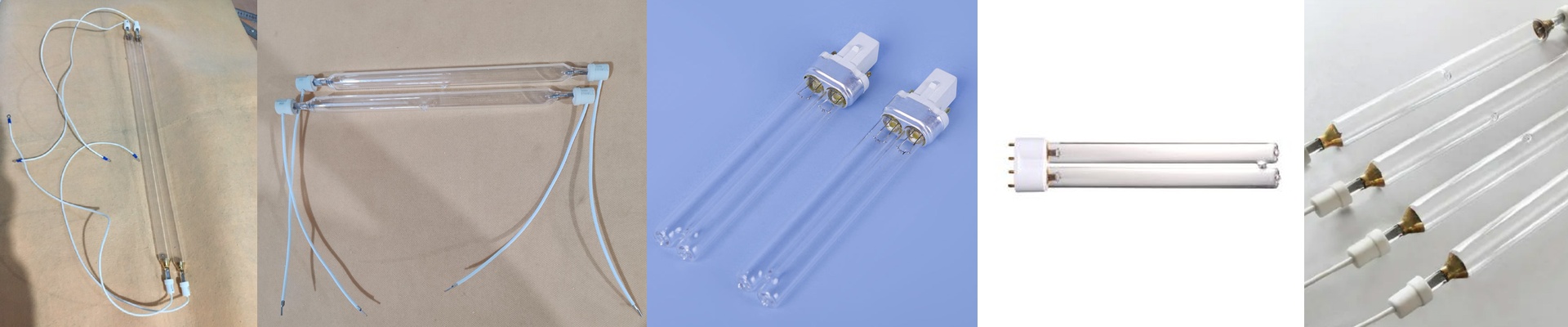
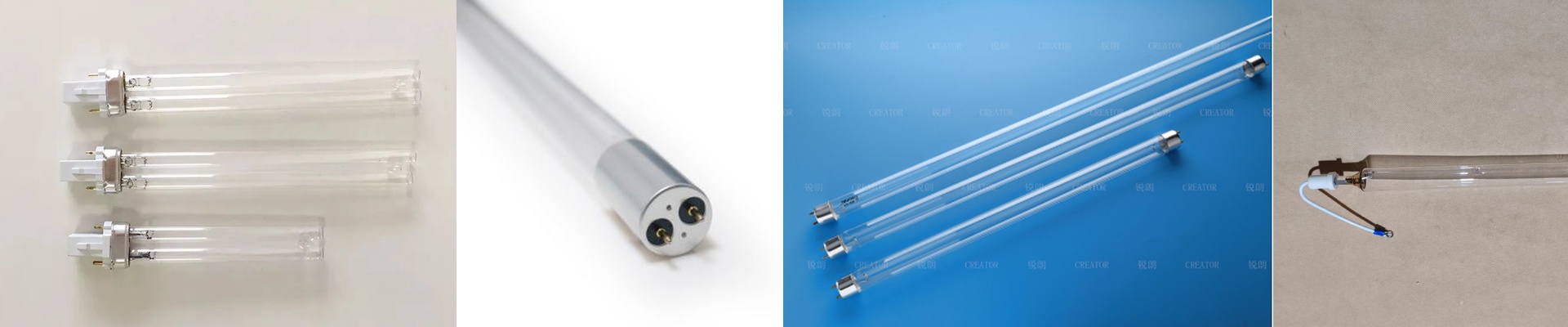
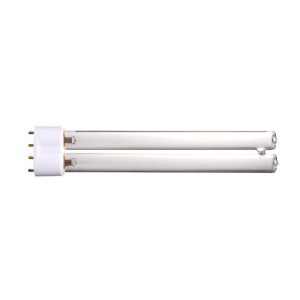
On the floor, disinfection robots live or die by throughput. When a cycle drags, you get backlog, extra hands on deck, and more exposure risk. The usual choke point is the UVC source: if irradiance at the target surface isn’t there, dwell time balloons and the schedule stalls. What matters under the hood We build the UVC lamp around 254nm germicidal output, using high-pressure mercury vapor technology that’s meant to fit tight spaces. Peak irradiance at the working distance is the number you chase—typically ≥150 mW/cm² on the disinfection plane. Power density gets tuned to the robot’s optics and chamber geometry, not to some generic ballast curve. Spectral control keeps the energy pinned at 254nm, so you’re not throwing money away on broadband emission that just heats up housings. Reflector efficiency is nailed down with a tight dichroic coating profile, so dose uniformity holds across the treated area. Why it works in practice Higher peak irradiance shortens the dose-time equation. For the same required microbial reduction, you can cut single-pass exposure time and run more cycles per shift without adding headcount. Adaptability comes from stable lamp output and predictable decay. We integrate dose feedback so speed and dwell adjust on the fly, keeping the target mJ/cm² even when surface geometry changes. You get repeatable log reduction, fewer missed spots, and lower energy draw per cycle. What you need to watch for High-intensity UVC means you have to manage heat. The lamp head needs verified airflow and clearance to keep the arc stable and prevent premature lumen loss. EMI is real, especially in dense sensor environments—check connectors and shielding against your robot chassis. Ozone-free variants are available, but you still have to confirm reflector geometry and lamp placement against your chamber’s UV leakage spec.