Getting UV Germicidal Lamps Right in Textile Printing
When we bring UV-C lamps into a textile setup, it’s not just about killing germs. It’s really about getting those inks to stay put and making sure the fabric doesn’t fall apart during curing. But here’s the catch: you’re dealing with high-energy radiation. It’s a delicate balancing act between getting enough power to do the job and not ruining your materials.
The Sweet Spot for Wavelengths
Most of the industrial lamps we use hit their peak at 253.7 nm. That’s the magic number that breaks down contaminants and locks in UV-curable inks. We usually measure this in microwatts per square centimeter ($\mu W/cm^2$) across the width of the fabric. If you go too low? The ink won’t cure properly and it’ll start migrating. But if you crank it up too high, you’ll end up with yellowed fabric or synthetic fibers that just degrade. It’s a tight window.
The Hardware Side of Things
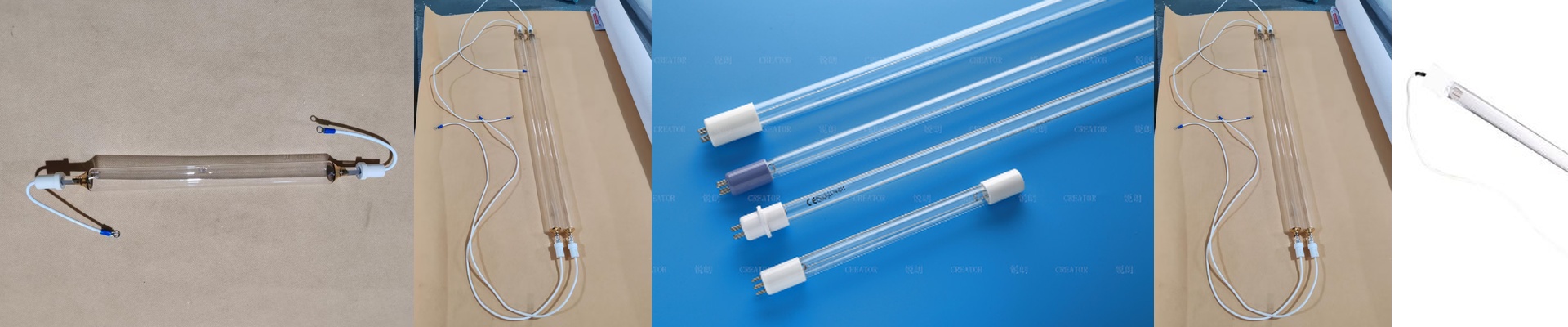
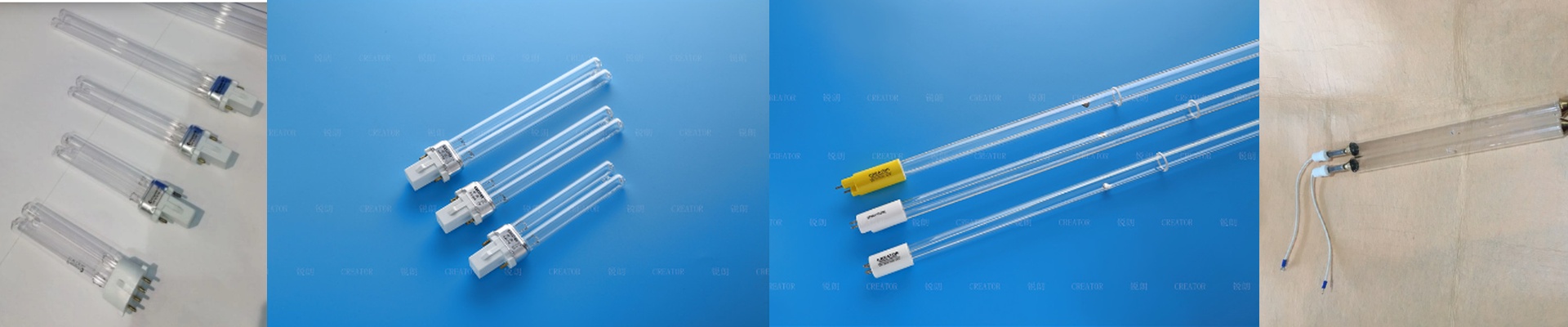
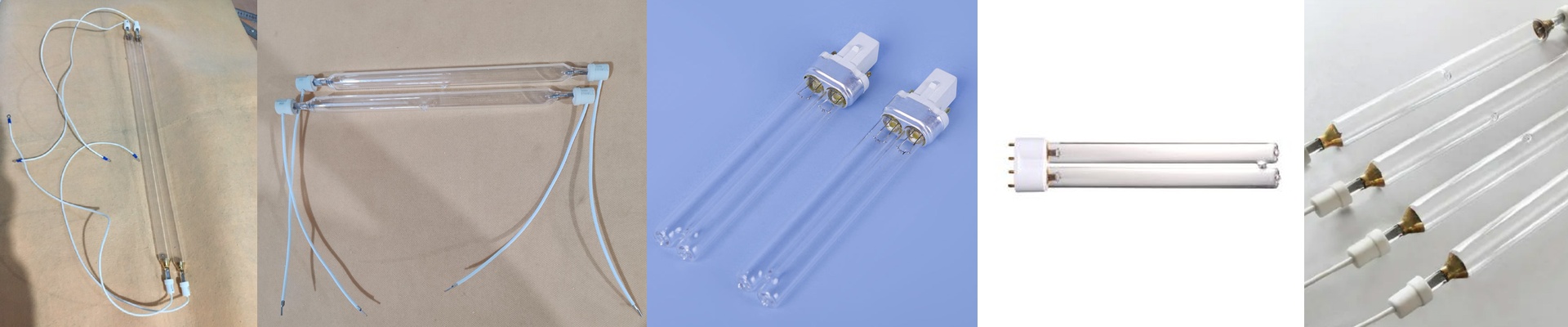
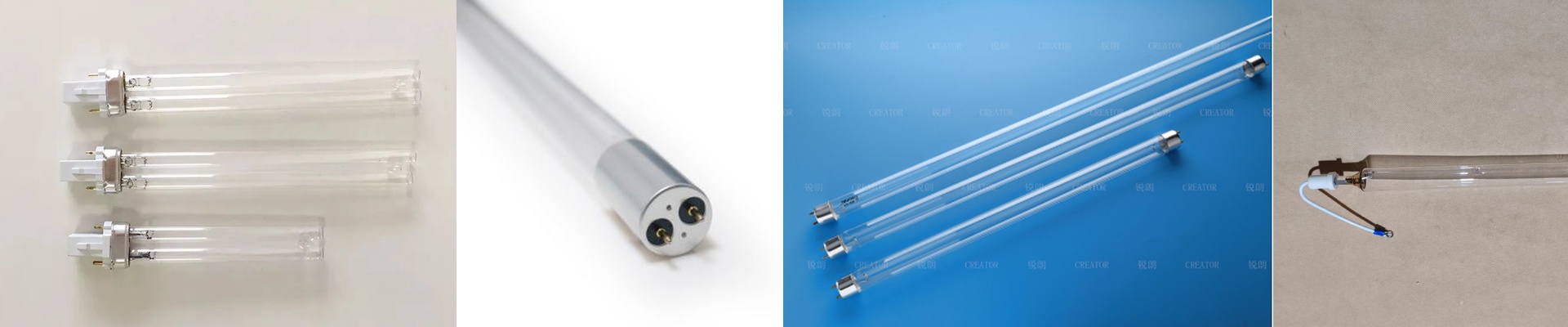
You can’t just plug these into a regular socket and call it a day. First, you need quartz glass. Regular glass blocks the germicidal spectrum, so quartz is the only way to let that UV light actually get through. Then there’s the housing. Go with aluminum or stainless steel. Why? Because shortwave UV creates ozone, and ozone eats through cheap metals. And please, for the love of everything, use shielded housings with interlocking safety switches. If a tech opens the chamber while those lamps are humming, the power needs to kill instantly. UV-C burns your corneas in a heartbeat. It’s not something you want to experience.
The Trade-offs
Here is the tricky part: high-output lamps get hot. The UV does the heavy lifting, but the infrared byproduct is a different story. It can easily overheat a delicate fabric. This is why your conveyor speed has to be perfectly synced with your lamp intensity. If the fabric crawls too slowly, the heat will warp your print. I always suggest adding direct cooling fans. It keeps the lamp surface temperature under control and stops the filaments from burning out way too early.