Getting the Heat Right on Beverage Can Lugs
When you’re dealing with anti-corrosion coatings on a pull-tab, you don’t have much room for error. You’re talking about micron-level zones. If you miss the mark, you’re either leaving the coating uncured or, worse, you’re overheating the aluminum and ruining the can. It’s a delicate balance.
Hitting the Sweet Spot
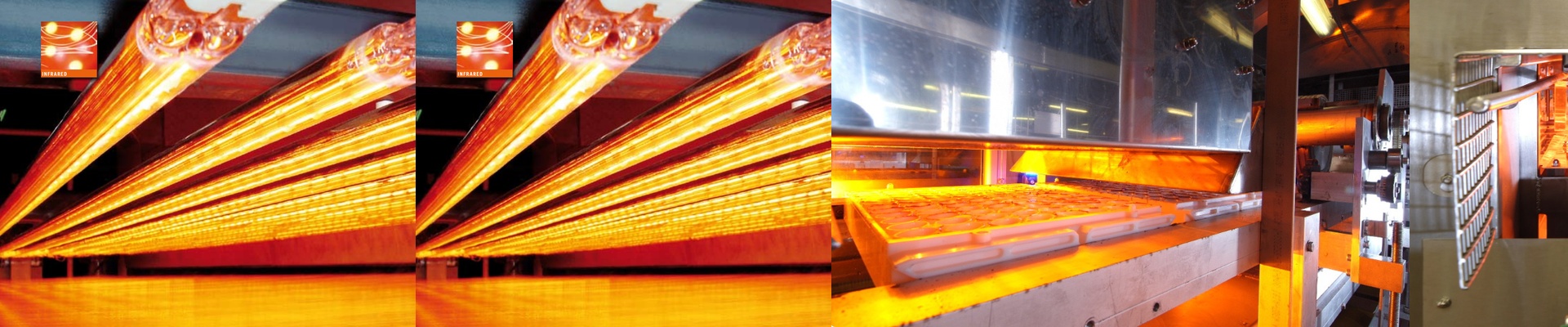
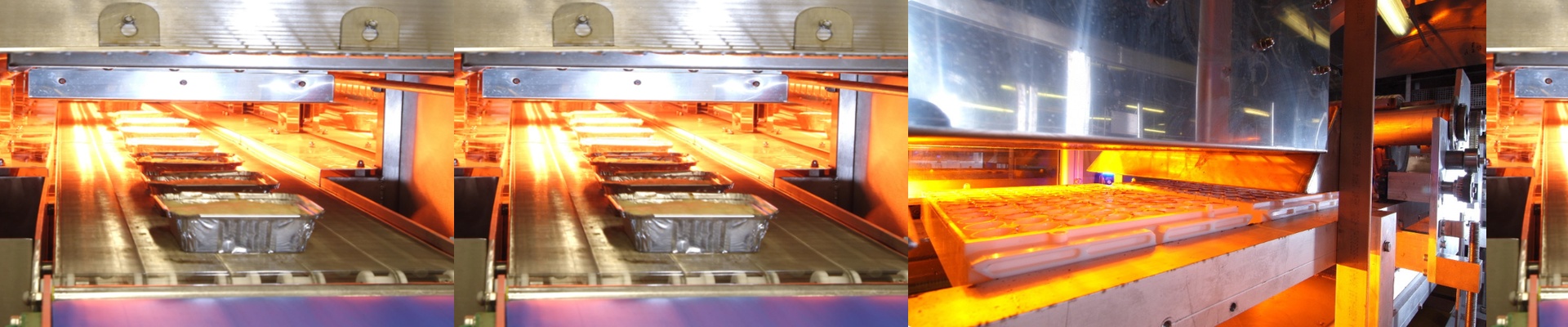
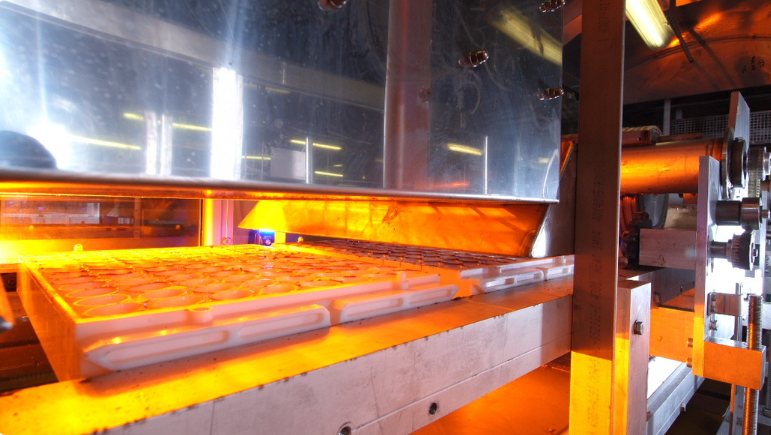
To get that kind of precision, we stick with short-wave infrared emitters. Think of it like a laser instead of a floodlight. It lets us concentrate the energy into a tight beam that hits the coating without bleeding heat into the rest of the can. Speed is the other challenge. Your line is moving fast, so we pump up the wattage density to make sure that coating cures the second it passes through. But you can’t just crank the dial to ten—do that, and you’ll warp the lug. We spend a lot of time tweaking the power against your conveyor speed until we find that perfect thermal equilibrium where everything just works.
It’s More Than Just a Lamp
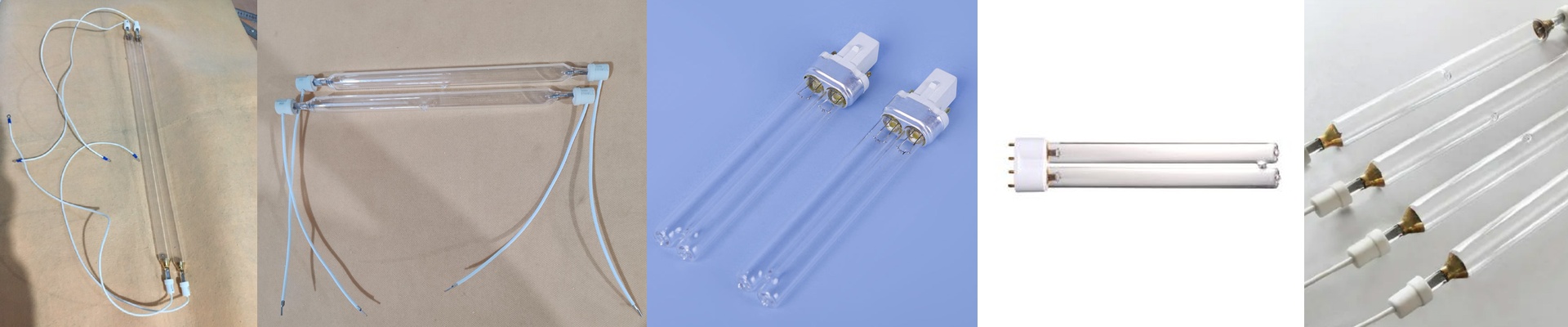
We don’t just toss a bulb in a box and call it a day. We build a focused module. We use specialized reflectors to squeeze the IR radiation into a narrow strip, ensuring the heat only touches the pull-tab area. The quartz envelopes are chosen specifically because they let short-wave light pass through without getting in the way. And for the high-output setups? We use gold-coated reflectors. It keeps the energy loss low and the footprint small.
The Real-World Stuff
Putting these into a high-speed line means they’re cycling on and off constantly. To stop things from burning out, we use industrial-grade connectors that can actually handle the stress. One thing to keep in mind: this much heat in a small space gets hot. Really hot. If your cooling blowers aren’t up to the task, the module housing will soak up that excess heat, and your lamp life will tank. We’ve seen that keeping the housing cool and stable can stretch the life of the filament by about 20%. It’s a simple fix that saves a lot of headaches down the road.