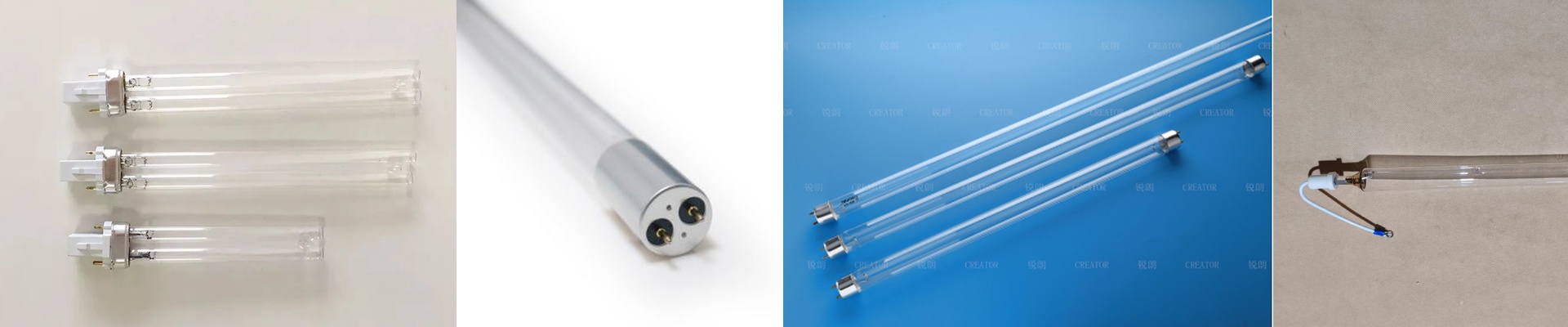
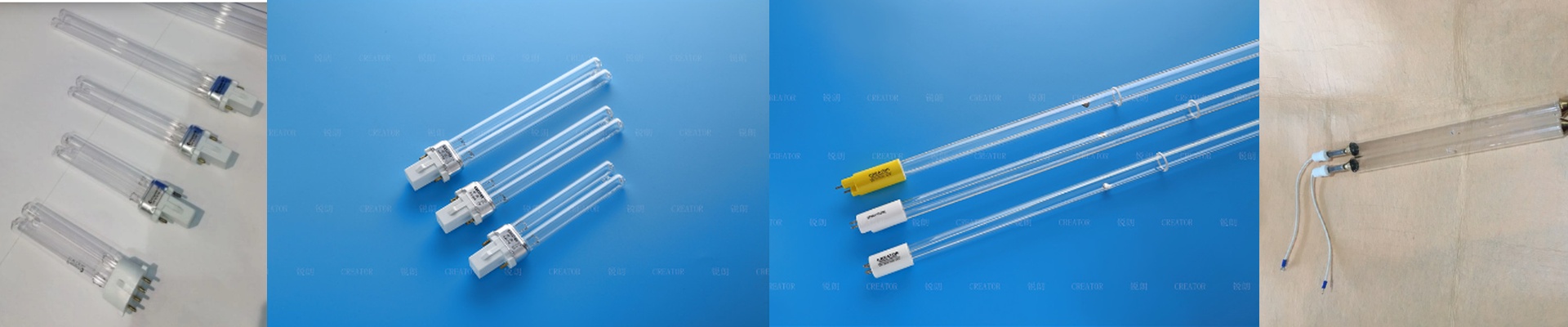
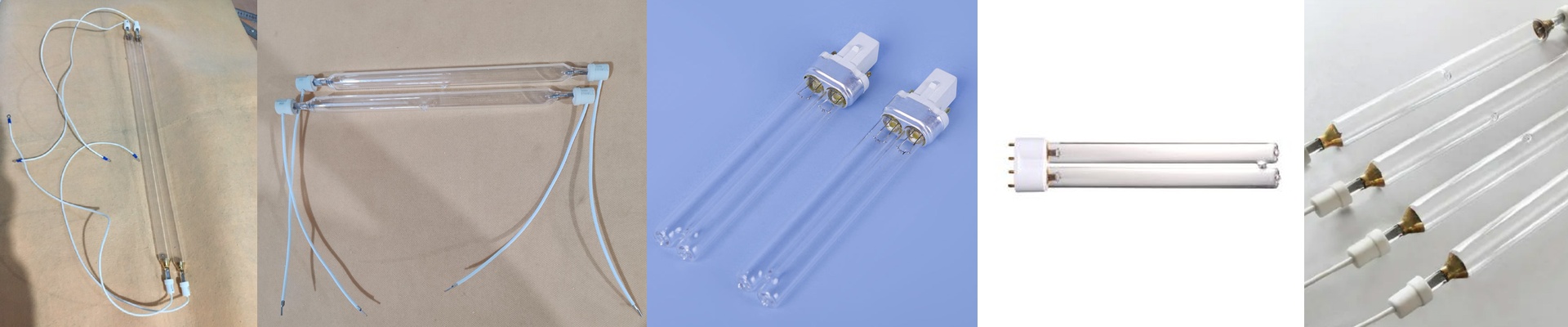
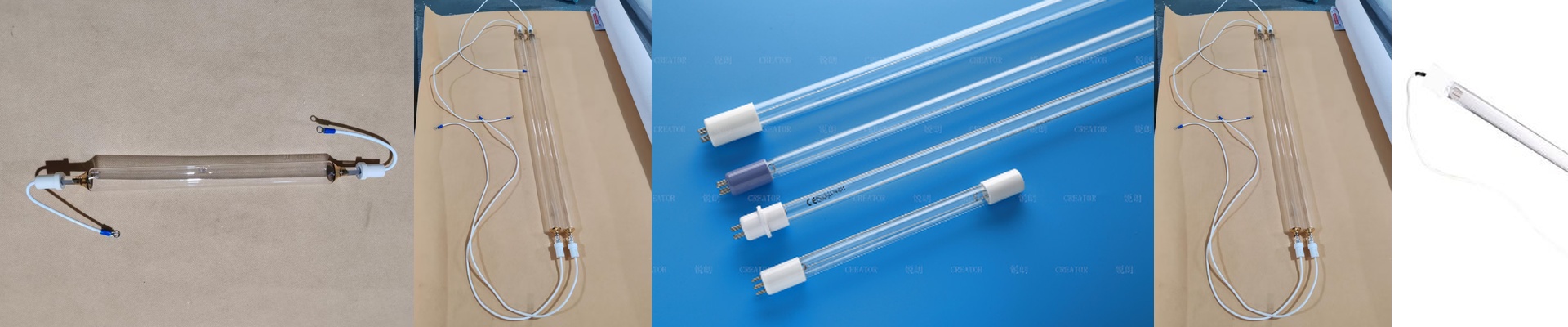
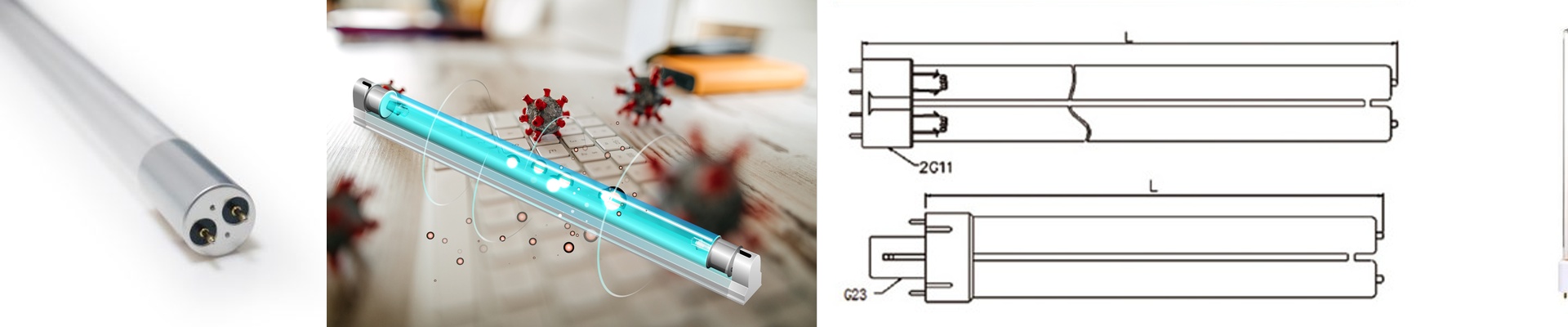
On a label press, when you see blur and halo, you can almost bet the UV dose is drifting. The ink lands on the substrate, but the photoinitiators aren’t getting the same energy every time. The result? Dot edges soften, colors start to spread. High-stability UV mercury and gallium lamps fix that by delivering repeatable output—shot to shot, roll to roll. What matters under the hood We build these lamps around spectral control. A standard mercury vapor lamp peaks at 365 nm, which gives you deep through-cure on white opaque substrates. Gallium-doped lamps shift energy toward 385–405 nm, where the surface cure is cleaner and the heat load is easier on thin films. Peak irradiance is set at the arc length to match your print width—typically 8–12 W/cm² measured at the reflector focal plane. We hold output stability within ±3% over lamp life, because when spectral intensity drifts, fine halftones turn to mush. Reflectors use dichroic coatings to cut IR and keep substrate temperature predictable, and the lamps are ozone-free so you don’t get hit with extra purge and maintenance. Why this plays in flexo label work You’re running fast, swapping inks, and you can’t afford cure that wanders. A stable lamp keeps energy density consistent on every label, so dots stay sharp, traps stay tight, and colors hit spec without forcing you to back off the speed. That translates into fewer rejects, fewer washups, and consistent density across the roll. You also save energy because the system cures on-target the first time, and lamp replacements come from stable run hours, not from output that’s all over the place. Here are the details that bite back These lamps are sensitive to airflow and mounting geometry. Install them with the specified gap to the reflector and double-check reflector alignment—even a small offset changes irradiance distribution and can show up as cure bands. Match the power supply to the lamp impedance, and confirm your printer’s shutter timing so you don’t get strike arcs. And don’t assume the substrate will forgive you—thin films can still curl if IR isn’t managed. Get those details right, and the cure window becomes wide and repeatable. The press just runs the way it should.