Keeping Your IR Heaters Alive in the Middle of a Mess
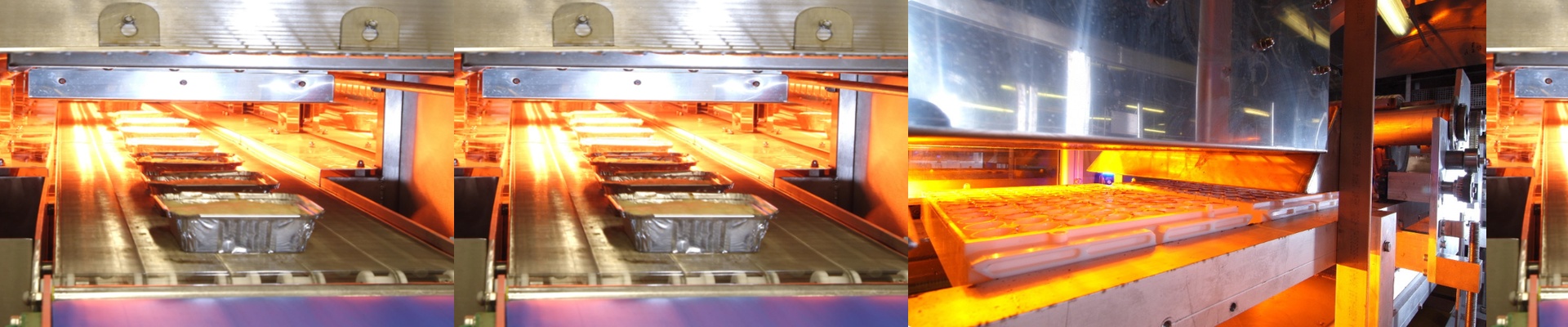
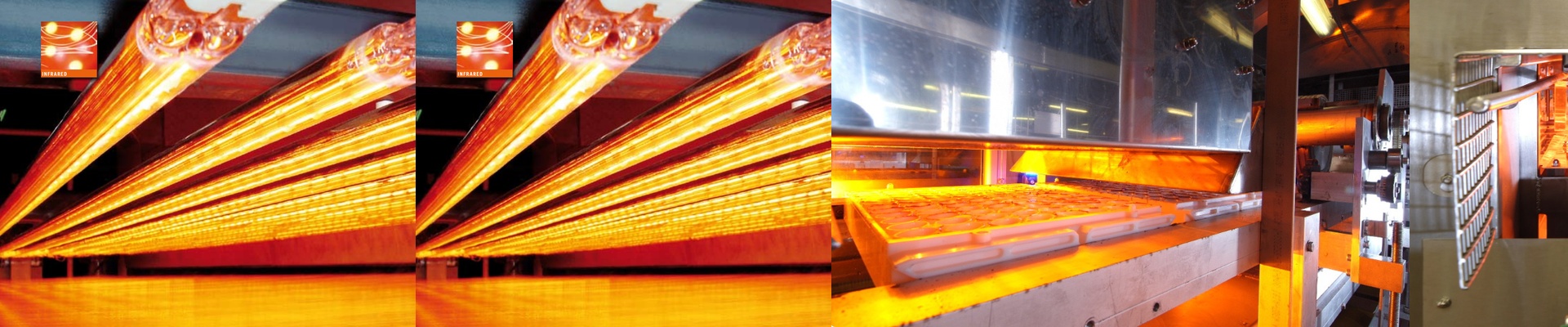
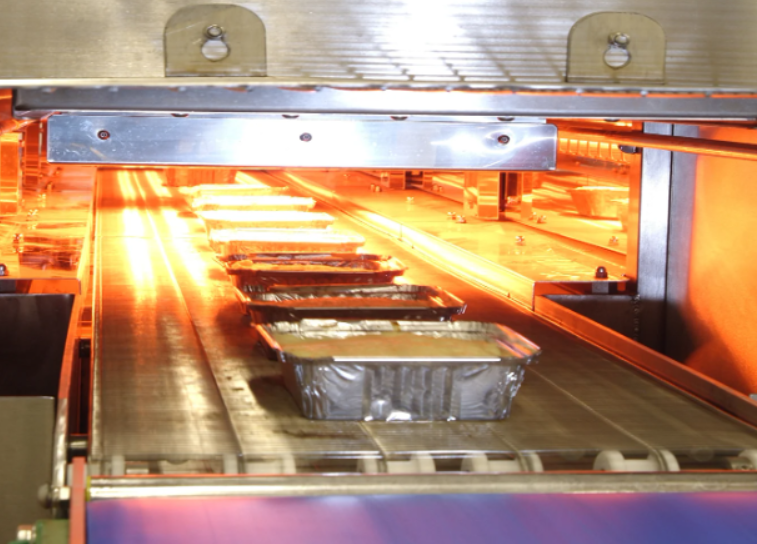
Let’s be honest: food processing lines are absolute killers for heating elements. You’ve got flour or sugar dust flying everywhere, and then you hit it with high-pressure steam. Before you know it, you’ve got this conductive, sticky sludge caked onto your lamps. It creates these nasty hotspots that fry your equipment and trip your breakers right when you can’t afford a shutdown. We built our smart IR controls specifically to stop that headache before it starts.
Fighting the Steam
Standard quartz tubes just aren’t built for this. The second steam sneaks into the electrical contact points, it’s game over. To fix that, we use sealed housings and gaskets that actually do their job. It keeps the terminals isolated from the chaos around them. No more moisture creating a “shortcut” for the current to leak across the insulator. Then there’s the temperature swing. On a packaging line, if your heat jumps or drops by even 5°C, you might ruin a seal. That’s a lot of wasted product. We use PID controllers that tweak the power in real-time. Even if a cloud of steam momentarily blocks the heat path, the system adjusts on the fly to keep things steady.
The Dust Problem
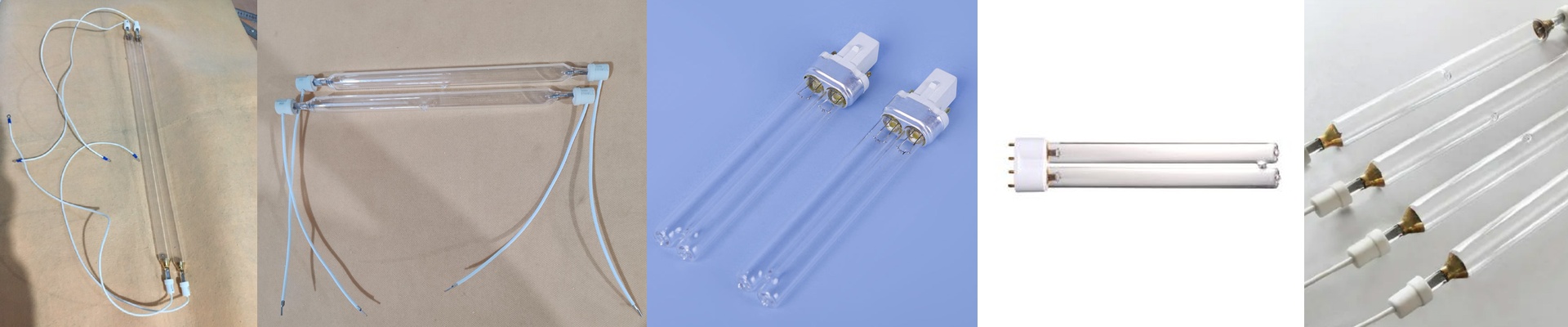
When organic dust cakes onto a lamp, it’s not just a cleaning chore. It’s a ticking time bomb. That layer of grime acts like a blanket, trapping heat. The filament underneath gets way too hot in those specific spots and just… snaps. The trick is to use coated quartz or reflectors that are shaped to shed debris. Basically, we make it harder for the gunk to stick in the first place.
Don’t Redline Your Gear
Here is the trade-off: you can cram more wattage into a smaller space to speed up your line, but you’re paying for it in hardware. If you run a lamp at 110% power, you’re killing it. You’ll go from replacing a bulb every 10,000 hours to doing it every 3,000. That’s a lot of downtime and a lot of wasted money. We always suggest speccing out a power supply with some breathing room. Don’t push your filaments to the absolute limit just to hit a target temp. And one last thing: check your fans. If they aren’t moving enough air to clear the waste heat from the electronics, the smart controllers will just throttle themselves to keep from melting. Keep them cool, and they’ll keep you running.