Why we use Gallium Iodide for UV
Most UV lamps you’ll find use mercury. They’re fine for general work, but we do things differently. We use Gallium Iodide (GaI) because it lets us hit those very specific spots in the UVA and UVB spectrum that mercury just can’t reach. By tweaking the halide mix and the pressure inside the tube, we can tune the lamp to a precise line. We aren’t trying to light up a room here. We’re trying to trigger a specific chemical reaction, and that requires a level of precision that’s almost surgical.
Keeping things cool (and accurate)
Getting a GaI lamp right is a balancing act. We spend a lot of time dialing in the wattage and voltage. If the plasma isn’t stable, you’ll burn through your electrodes way too fast. But here’s the real challenge: heat. High-intensity UV getshot. Really hot. If your housing doesn’t have great airflow or a solid cooling system, you’re going to have a problem. When the tube overheats, that precise spectral peak we worked so hard to hit starts to drift. Suddenly, you’re not getting the results you paid for.
The build: Quartz and Custom Fits
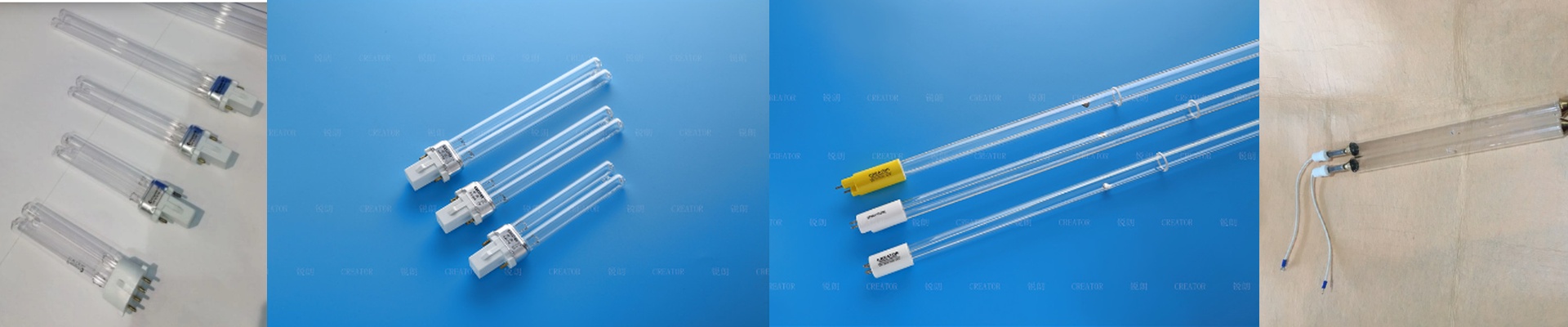
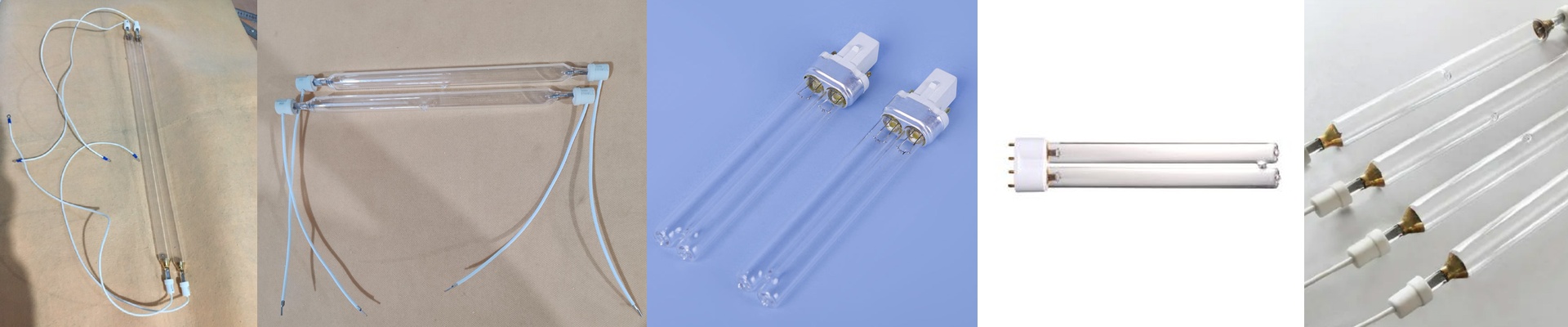
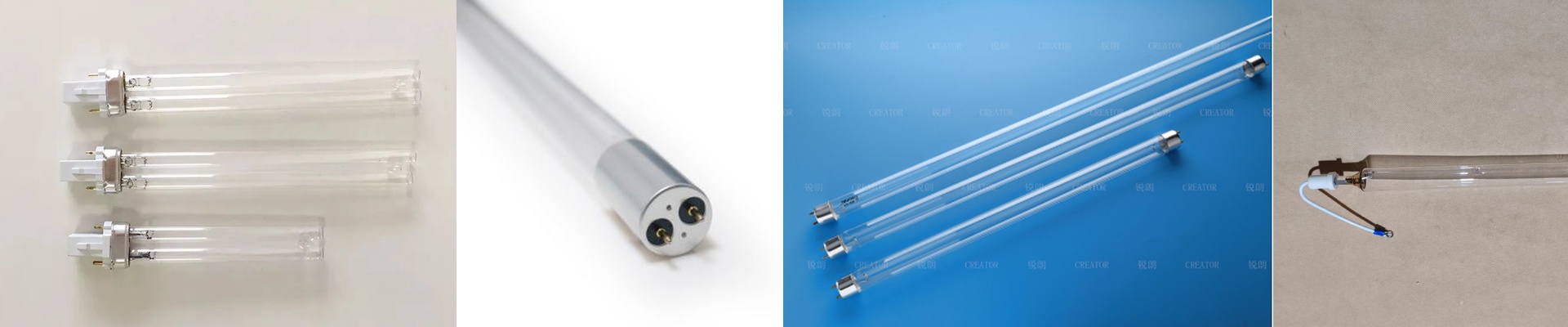
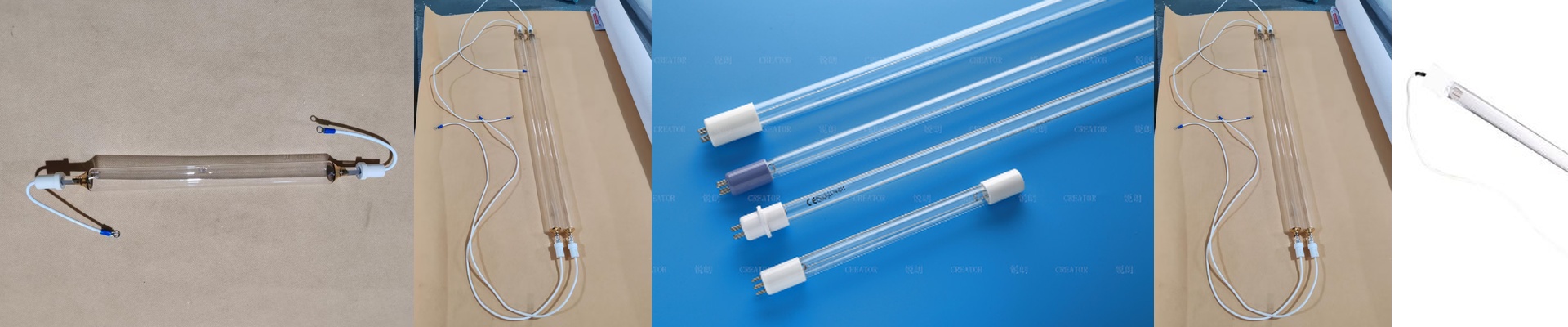
You won’t find regular glass here. It blocks UV. Instead, we use high-purity fused quartz, which lets the shortwave radiation slide right through without getting trapped. We also don’t believe in “one size fits all.” We calculate the tube’s diameter and length based on exactly how much light needs to hit your target. We build the lamp to fit your specific footprint. That way, it drops right into your existing setup without you having to rig up some awkward custom brackets.
The trade-offs
You’ll need a stable power supply for these. Voltage spikes are the enemy—they’ll eat away at the GaI fill and kill the lamp early. And look, there’s a trade-off. While these lamps hit a narrow band that mercury can’t touch, they don’t last quite as long. You’ll notice the UV intensity dip slowly over time. My advice? Keep a radiometer handy. Track your output and you’ll know exactly when it’s time to swap the lamp out before your process starts to suffer.