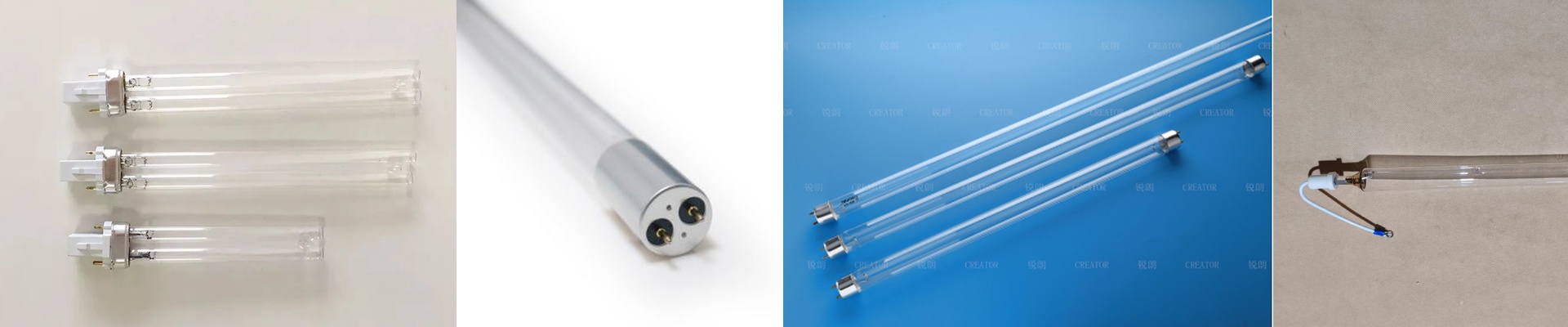
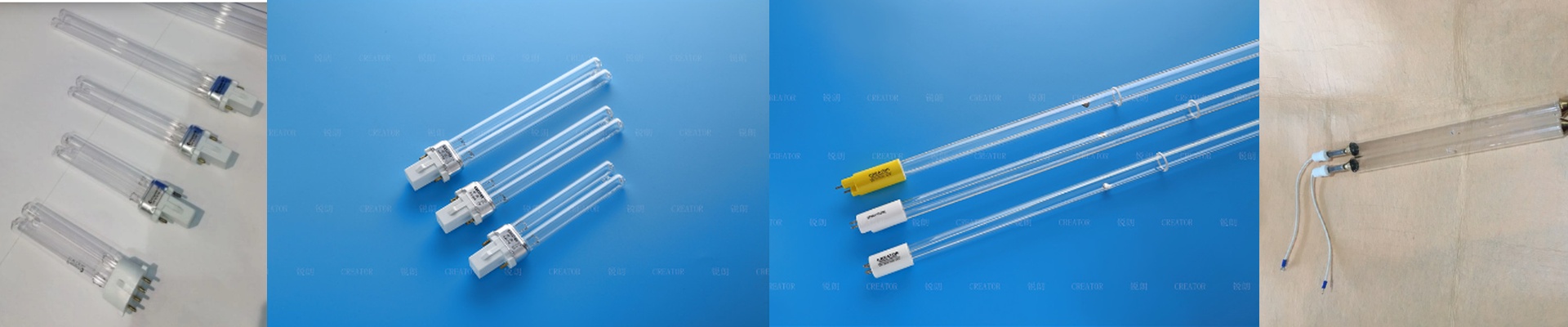
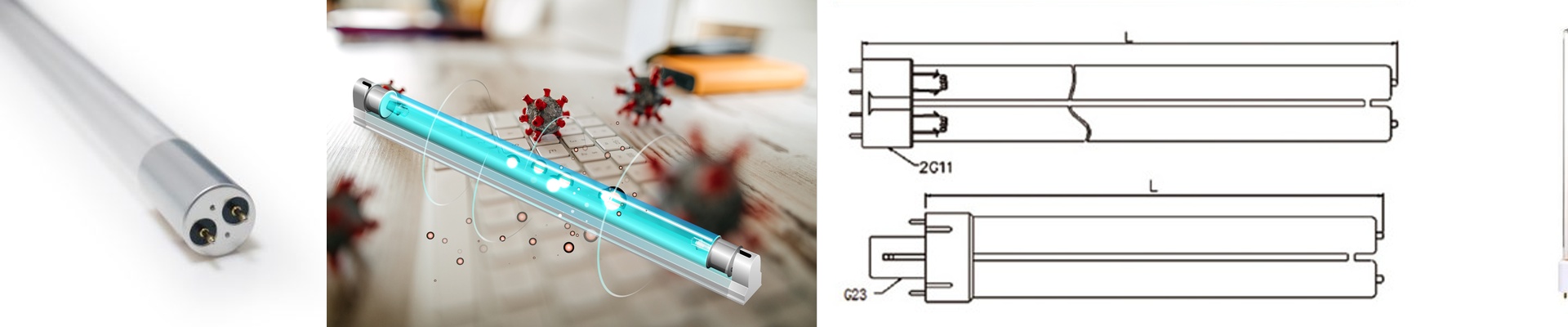
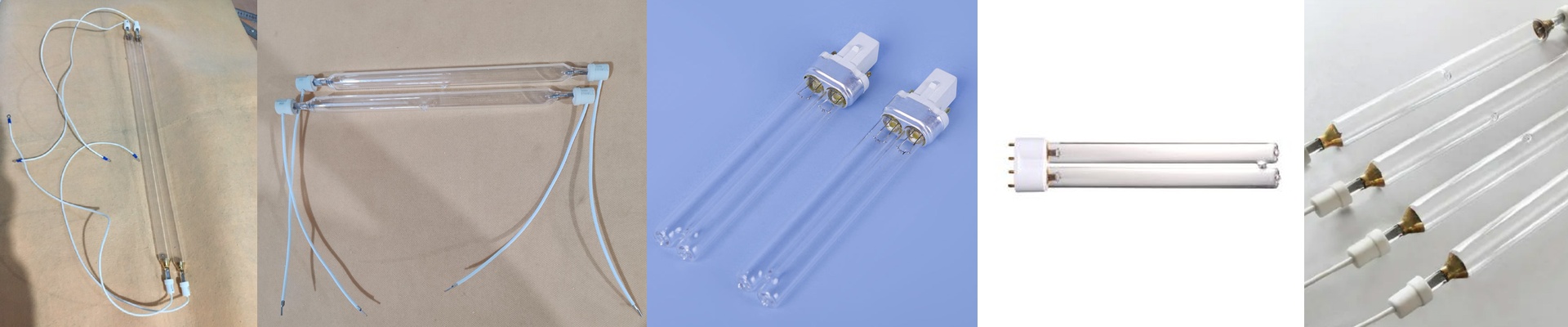
A Better Way to Cure PCBs: The Switch to Gallium Iodide
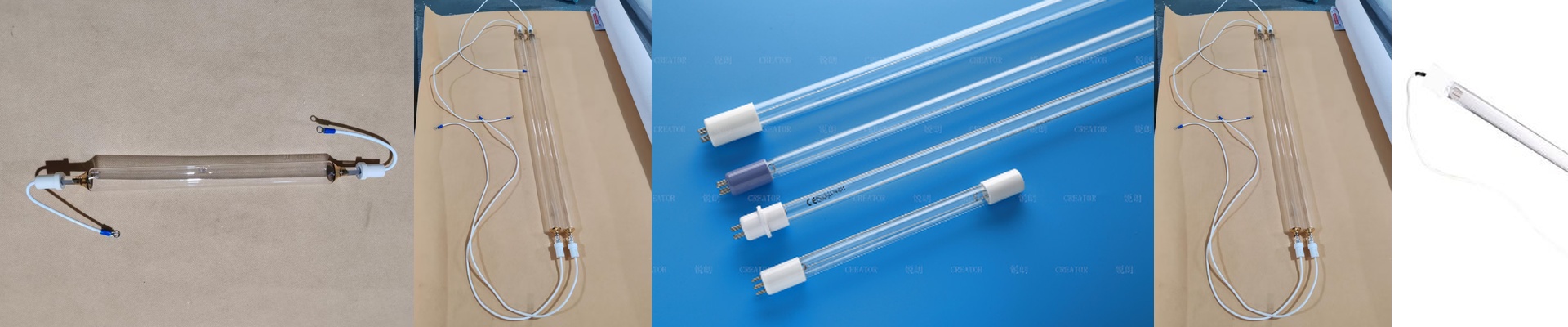
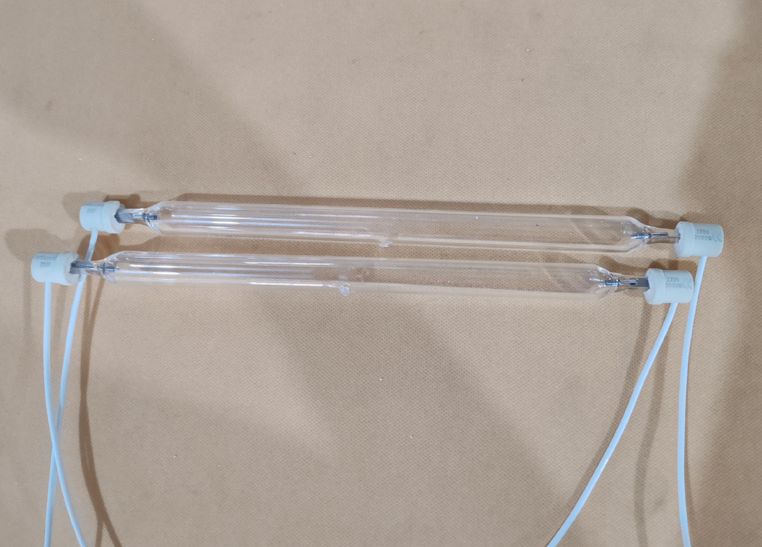
Let’s be honest: dealing with mercury lamps is a pain. Not just because of the hazardous waste paperwork, but because you’re always worrying about the mess if something goes wrong. We wanted to fix that. That’s why we built our Gallium Iodide (GaI) lamps. We’ve completely ditched the mercury. You still get the heavy-hitting UV intensity you need for high-res circuitry, but you can finally move your production line toward a zero-pollution setup. It just feels better knowing your shop is cleaner.
Getting the timing right
The real magic here is how these lamps hit the UV-A and UV-B spectrums. We’ve tuned them to line up perfectly with the photoinitiators in your dry film and liquid resists. What does that actually mean for you?Faster cure rates. You can speed up your conveyor belts and get more boards through the door without worrying about quality. One quick heads-up, though: these lamps put out a lot of heat. Keep an eye on your ballast settings and make sure your cooling fans are actually doing their job. If the lamp envelope gets too hot, your electrodes will burn out way faster than they should.
Built to actually last
Most UV lamps start clouding over after a few hundred hours—that annoying “solarization” effect. To stop that, we used high-purity synthetic quartz for the envelope. Between the quartz and the way we’ve tweaked the gas fill and electrode shape, these lamps simply stay clear longer. They last longer than what you’re probably used to. The best part? They’re basically drop-in replacements. You don’t have to tear apart your curing tunnels or rebuild your chassis. Just a small tip: GaI lamps start up differently than mercury arcs. You might need to tweak your ignition circuitry a bit so you don’t see any flickering while they warm up.
Cleaning up the shop
Switching to GaI makes your life a lot easier when it comes to the boring stuff. No more tracking hazardous waste for every single burnt-out tube. No more regulatory headaches. You get a cleaner floor, a predictable maintenance schedule, and one less thing to worry about at the end of the shift. It’s just a simpler way to work.