The Secret Sauce of Textile Manufacturing: UV Curing
You don’t see them in the final stitch of a shirt or the hem of a pair of leggings, but UV lamps are basically the invisible backbone of the whole operation. Without them, the speed and quality of modern clothing production would just… stop.
How it actually works on the floor
Let’s start with digital printing. When ink hits the fabric, it doesn’t just dry—it needs to be “locked” in. We use specific UV wavelengths to trigger a reaction in the ink, which basically glues the pigment to the fiber. It’s a delicate balance. If your wattage is too low? You get smudges and ink that bleeds. Too high? You’ll actually scorch the synthetic fibers. It’s a tight window. Then there are the functional coatings. Things like water-repellents or flame retardants. The goal here is a perfectly even cure across the entire width of the fabric. If you have “cold spots” in your lamp array, you’ll get patchy curing. You won’t notice it until the garment hits the wash test and fails. Not a great way to find out.
The gear: LEDs vs. Mercury
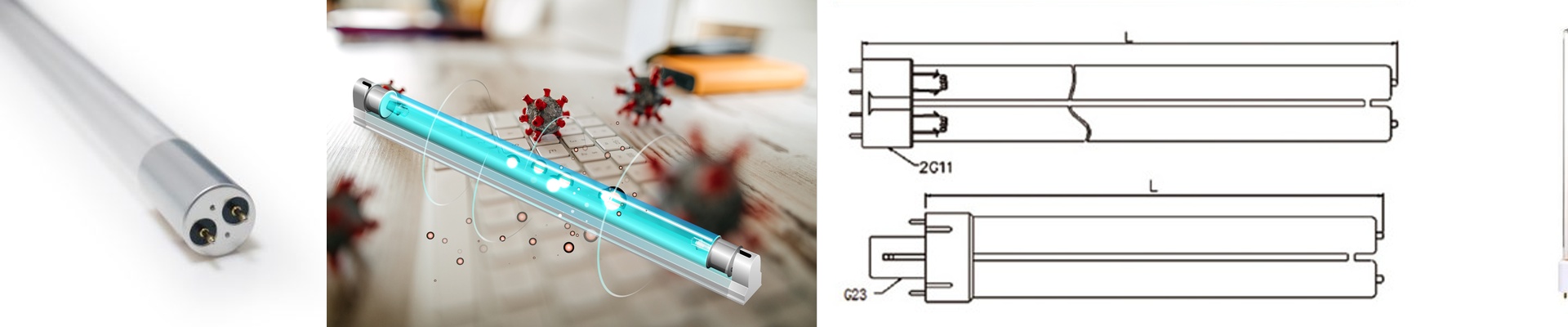
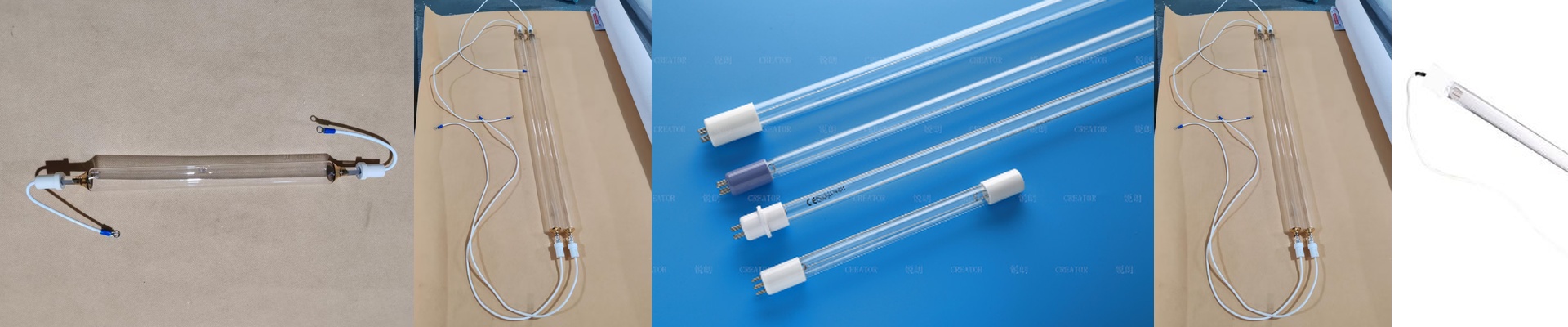
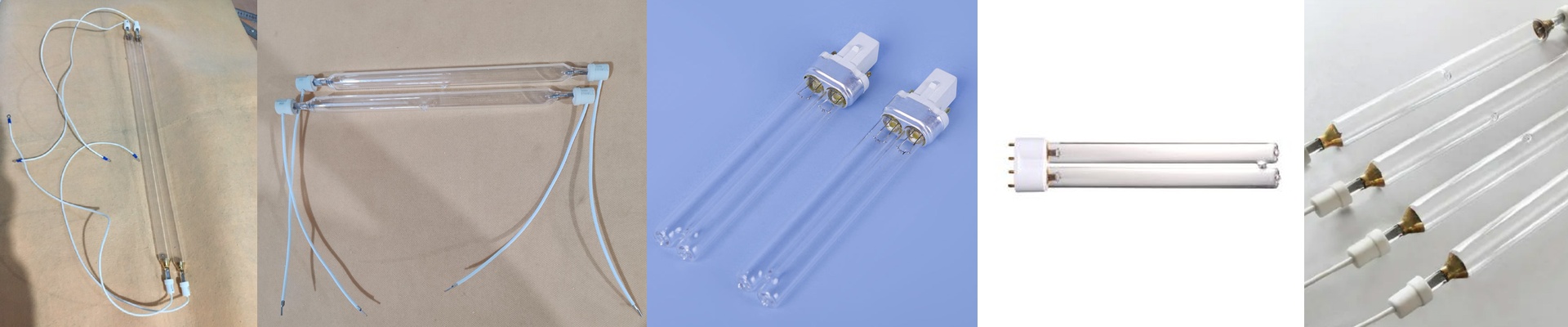
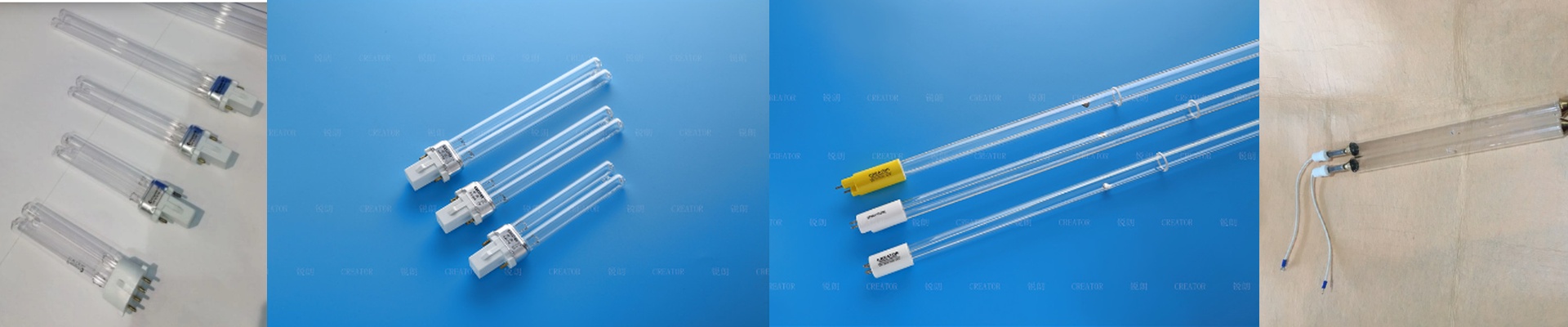
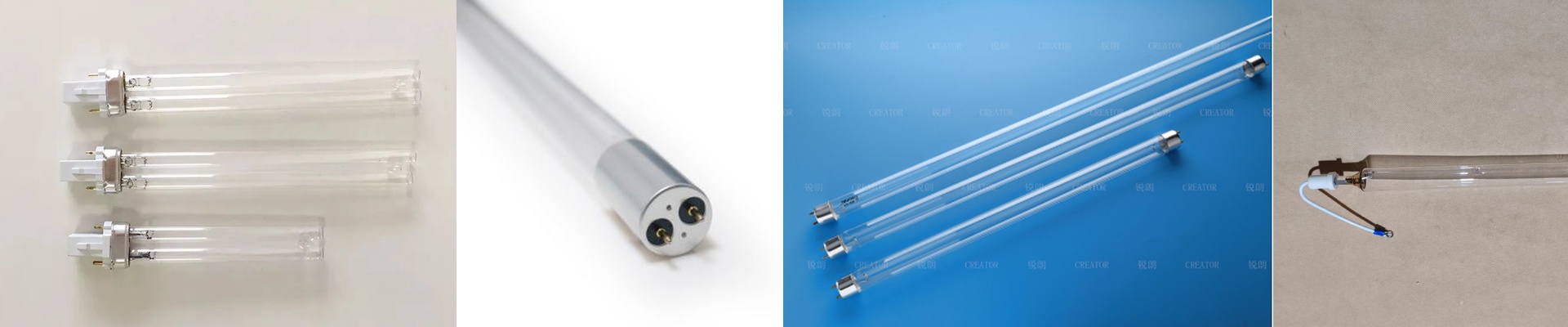
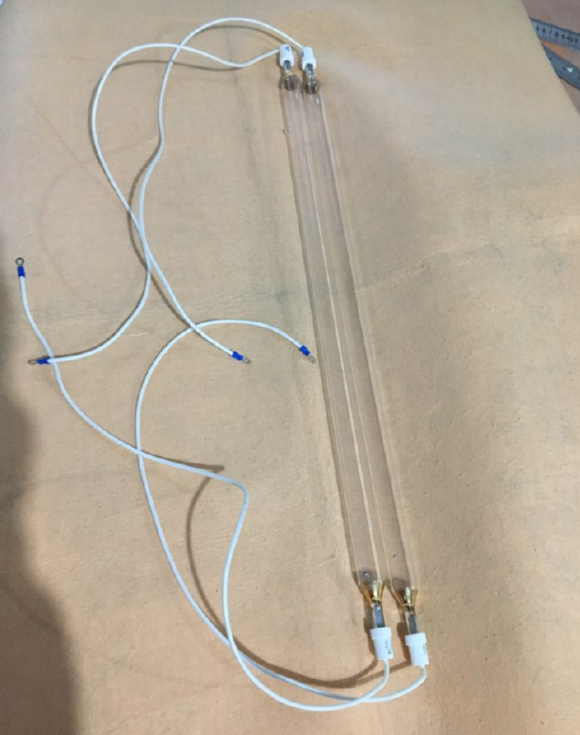
We build these things to take a beating on a factory floor. Most shops choose between high-intensity mercury vapor or LED arrays. LEDs are great because they have a smaller footprint and they’re ready to go the second you flip the switch. But, if you need deep-penetration curing, those old-school broad-spectrum mercury lamps still win. One big thing to watch:heat. High-output lamps put off a ton of infrared heat. If your conveyor is crawling or your fans are clogged with lint, your fabric is going to warp. I always suggest syncing your line speed directly to the lamp’s power. It just makes sense.
Don’t “set it and forget it”
Here’s the thing about UV bulbs: they fade. As they age, the output drops. If you aren’t tracking your operating hours, you might not realize the intensity has dipped below the threshold. The chemical bond won’t fully form, and you’ll notice the coating feels tacky to the touch. When that happens, don’t overthink it. Just swap in a fresh bulb and get the line back to where it needs to be.