15 Years of Trial and Error: How We Actually Build a UV Lamp That Lasts
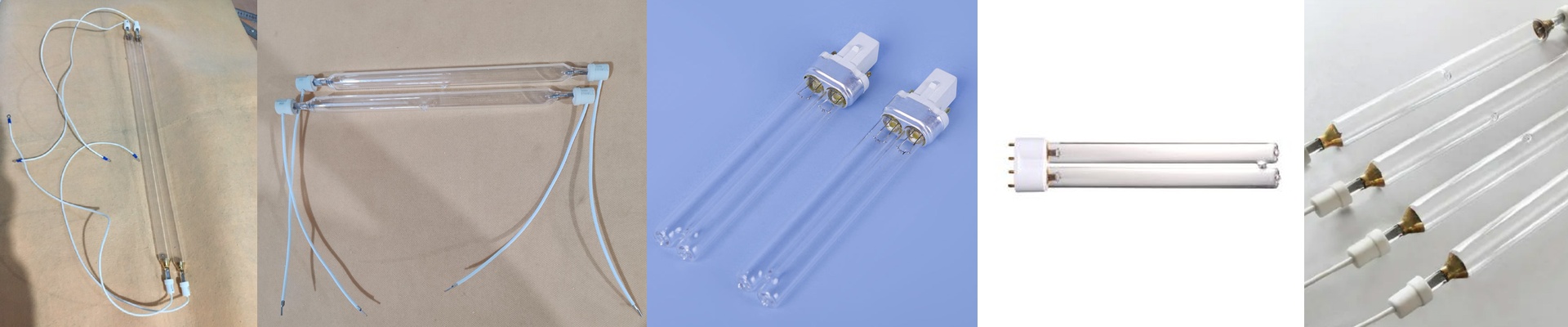
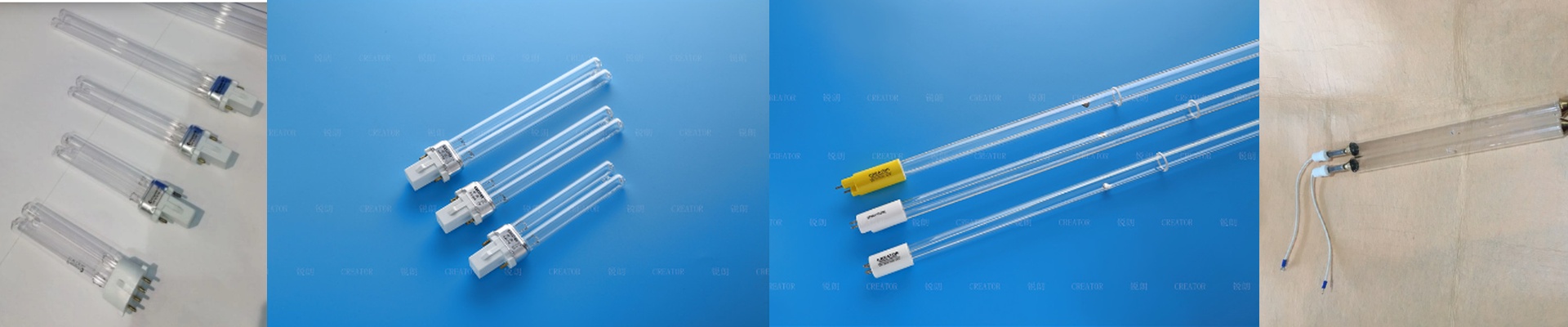
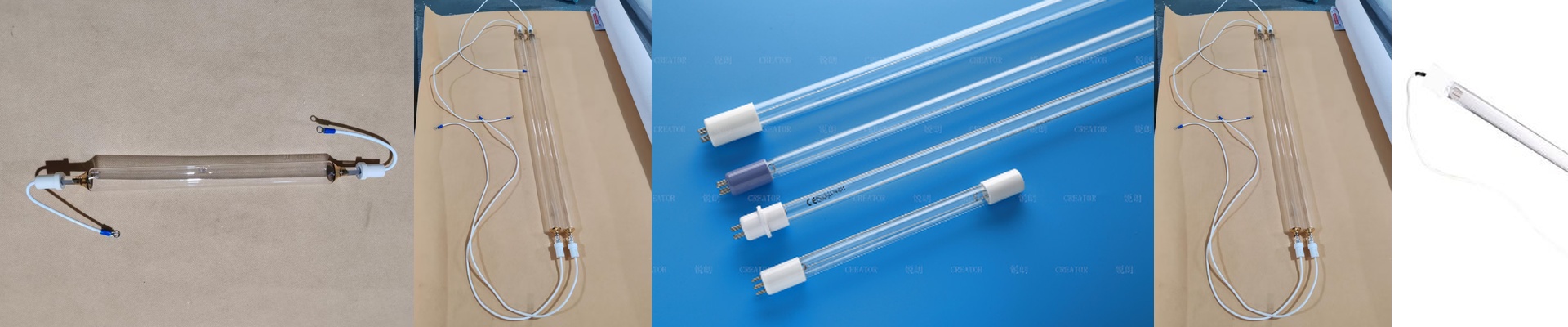
We didn’t start out as experts. For a long time, we just slapped a label on OEM parts and called it a day. But after 15 years of tinkering, we realized that if you want a lamp to actually survive a factory floor, you can’t just buy it off a shelf. Most UV lamps die young. Usually, it’s because the electrode seal is sloppy or the quartz isn’t pure enough. We spent a decade and a half obsessing over those two things. Why? Because nobody wants to stop a production line at 3 AM because a tube burned out.
The Heat Struggle
Here is the tricky part: balancing wattage and length. If you cram too much power into a short tube, it gets dangerously hot. It’s a balancing act. We calibrate our voltages to play nice with your ballasts so the arc stays stable without melting the glass. If you push too much current into a lamp that can’t handle the heat, the quartz warps. The electrodes start to drift. It’s a mess. We make sure the UV intensity stays steady from one end of the lamp to the other, so you don’t get “dead spots” in your curing.
The Little things That Matter
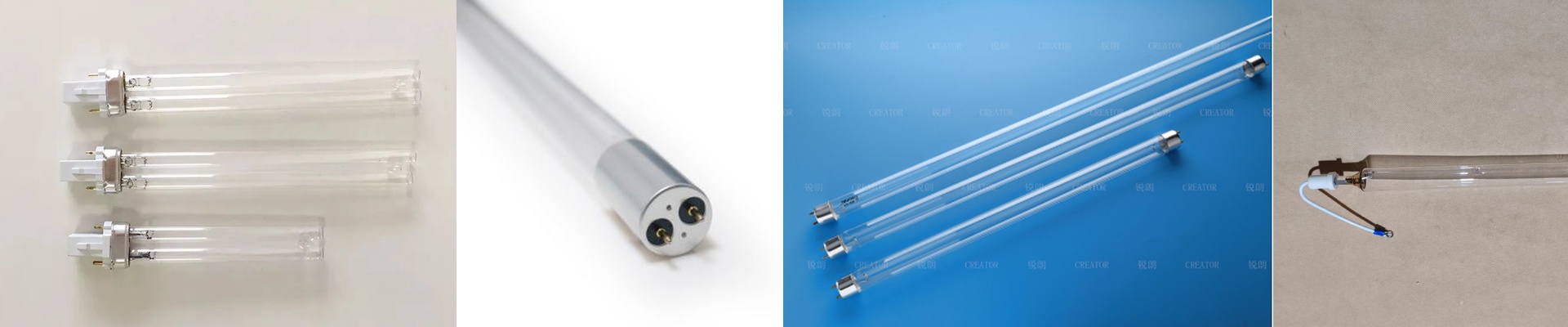
We use high-purity fused quartz. If the glass is cheap, it actually absorbs the UV light instead of letting it out. That’s a waste of energy and money. Then there are the connections. We keep the pins standard because we know you just want a part that drops right into your existing rig without a fight. But we’re picky about the fit. A loose connector causes arcing, and arcing fries your socket. Simple as that. We machine our end-caps to be tight and rugged, so they can take a beating in environments where everything is vibrating.
The Reality Check
These lamps are beasts. They’re built for high-speed curing lines and sterilization tunnels where you need massive UV-C output. But there’s a catch: they get hot. Really hot. High-intensity UV creates a ton of infrared energy. If you throw these into a sealed box without a serious cooling system, you’re asking for trouble. When the airflow is weak, the temperature spikes and the lifespan of the lamp plummets. We’ll give you the exact specs you need, but you’ve got to make sure your cooling can keep up with the heat.