Stop Fighting Your UV Setup: A Better Way to Scale
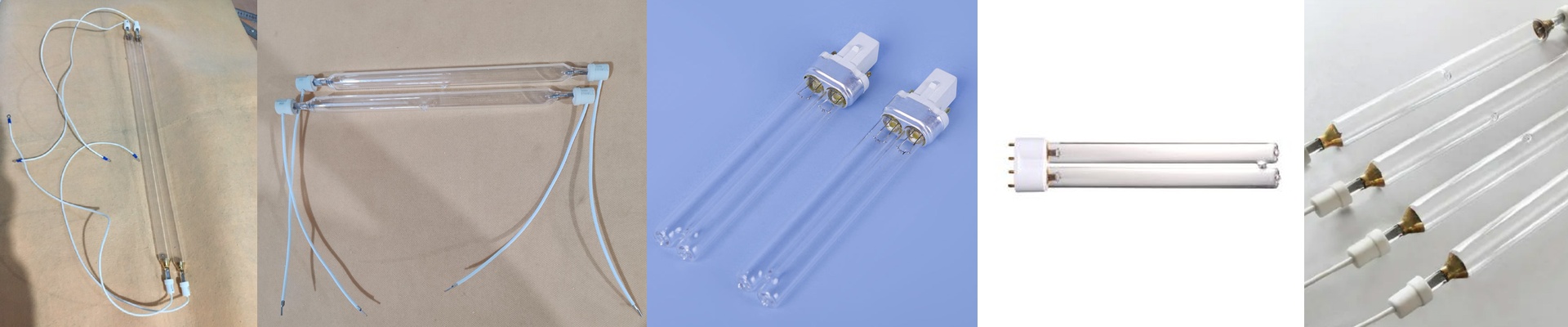
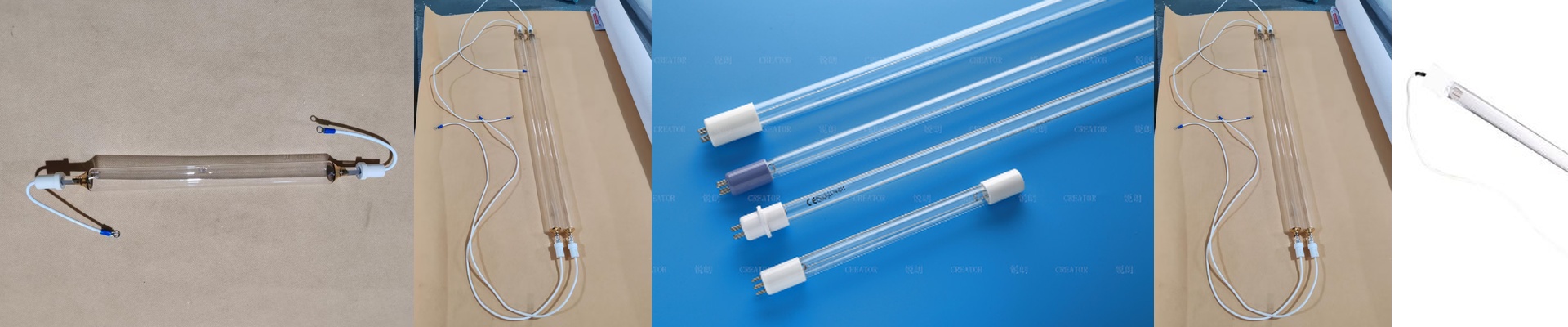
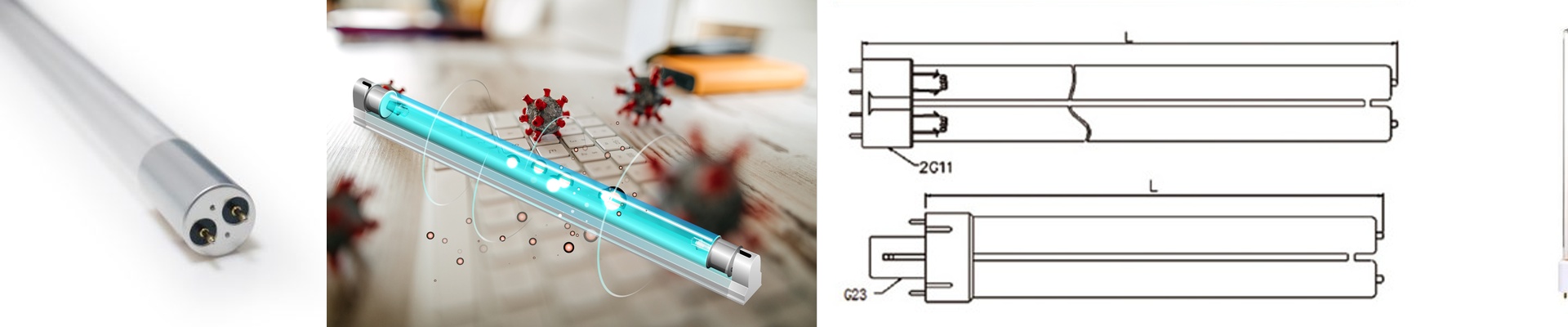
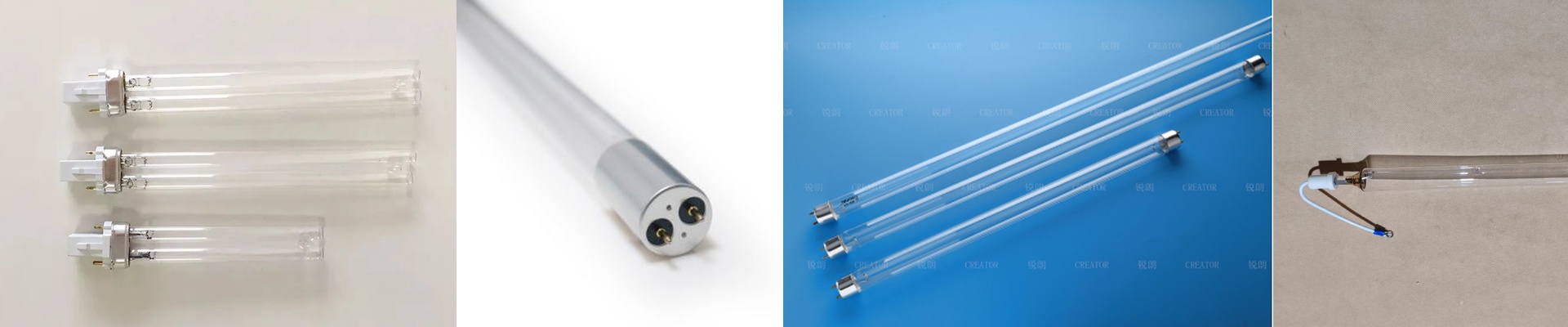
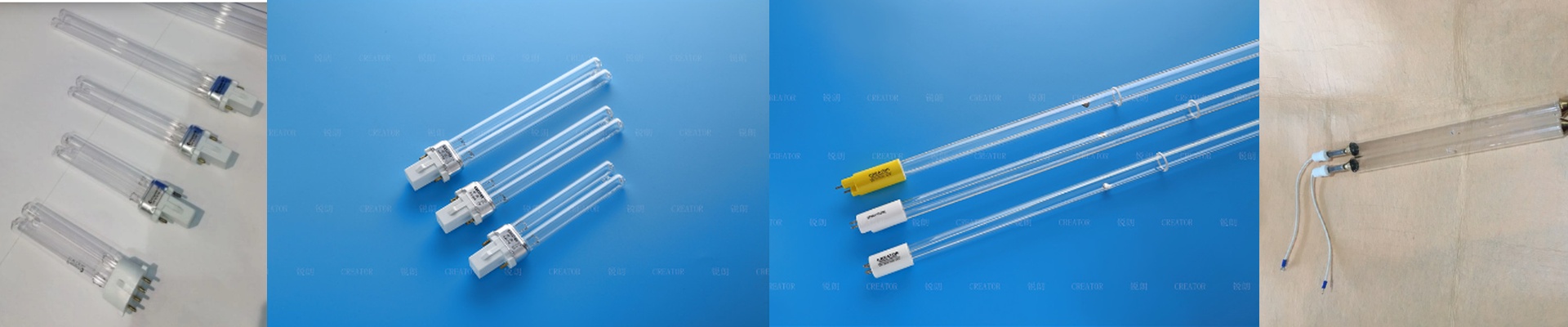
Most UV curing setups are a pain because they’re rigid. You buy a lamp of a certain length, and the second your product line changes, you’re stuck. You’ve got a footprint that doesn’t fit and a machine that’s suddenly in the way. We got tired of that. So, we built a modular system instead. It’s not just about swapping a bulb; it’s about having a setup that actually grows with you.
Getting the Power Right
Here’s how it works: you stack power modules based on how much punch (irradiance) you actually need. By breaking the curing zone into these smaller blocks, you can put the high-intensity light exactly where the resin or ink needs it. No more worrying about frying the edges of your part while the center is still tacky. It just works. Depending on your power supply, you can wire these in parallel or series. If you need to speed up the line, you just add more modules to keep the dose consistent. One quick heads-up, though: more modules mean more heat. Just make sure your exhaust fans or water-cooling jackets are up to the task so your parts don’t warp.
Less Downtime, Fewer Headaches
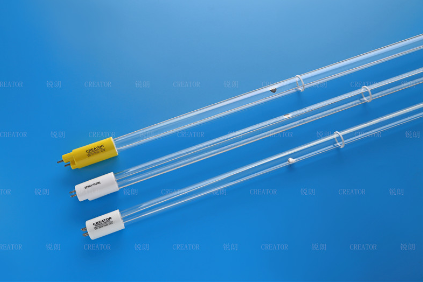
We used standard connectors and mounting rails, which makes replacing parts a breeze. When a lamp finally hits its limit—you’ll notice the UV output dipping—you don’t have to tear down the whole conveyor. You just pop out the tired module and slide in a fresh one. It takes the guesswork out of growing your business. If you move from a 500mm part to a 1200mm part, you don’t need to go shopping for a whole new machine. You just add more modules. It’s that simple.
Where This Actually Helps
This is a lifesaver if you’re running a “high-mix” shop. Whether you’re dealing with optical adhesives or heavy-duty industrial coatings, you can tune the intensity across different zones. You get total control over how fast things cure. Plus, you aren’t wasting a ton of electricity on a massive, fixed lamp when a smaller, tuned setup does the job better.