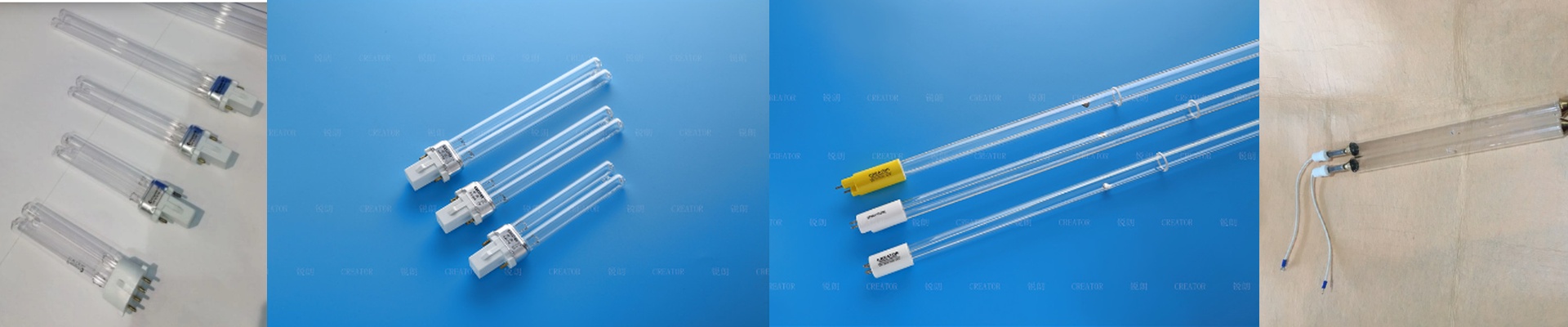
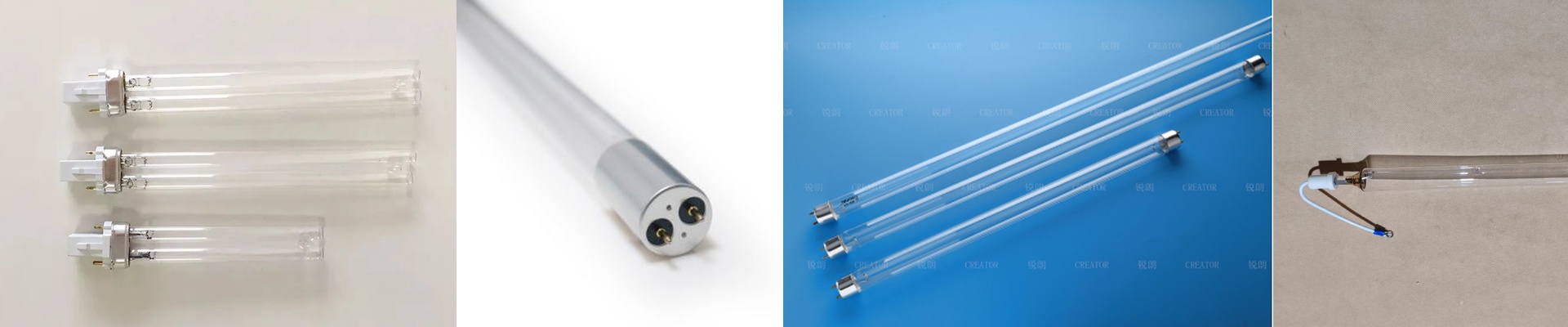
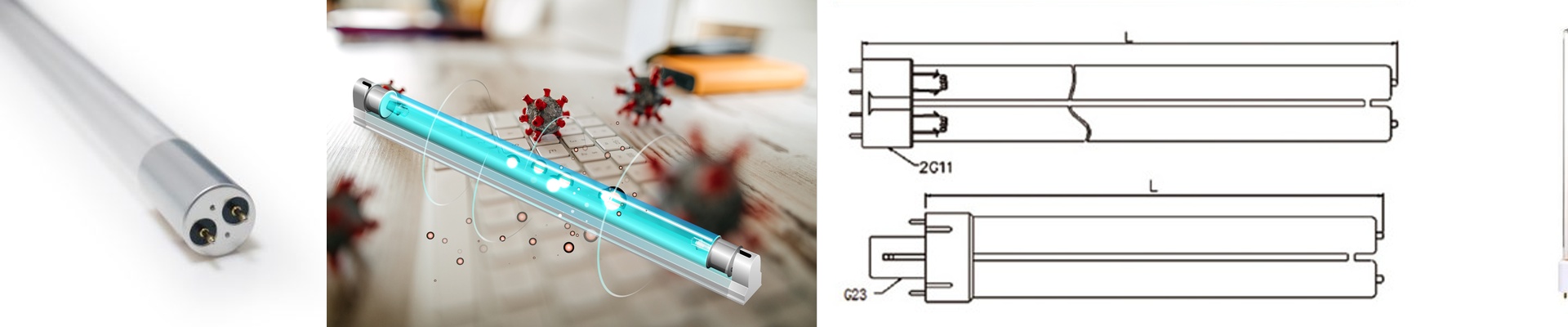
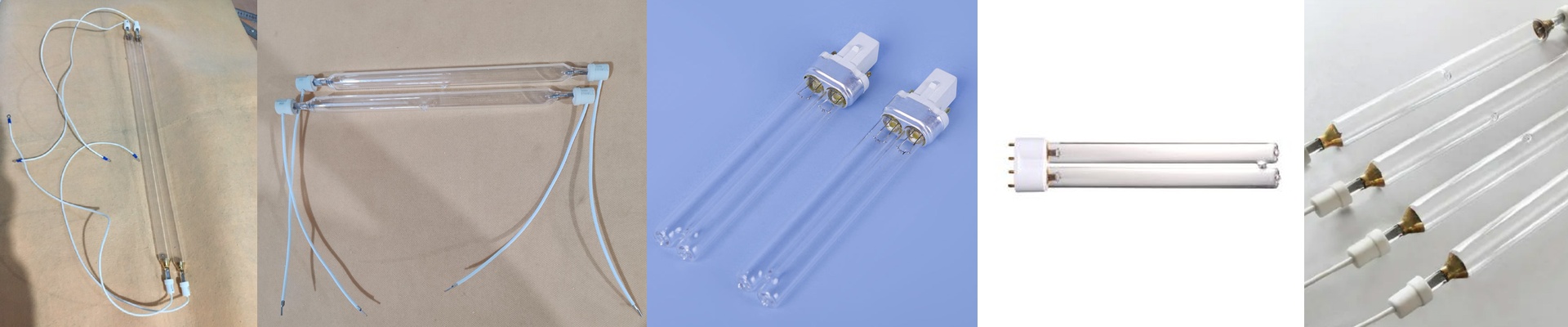
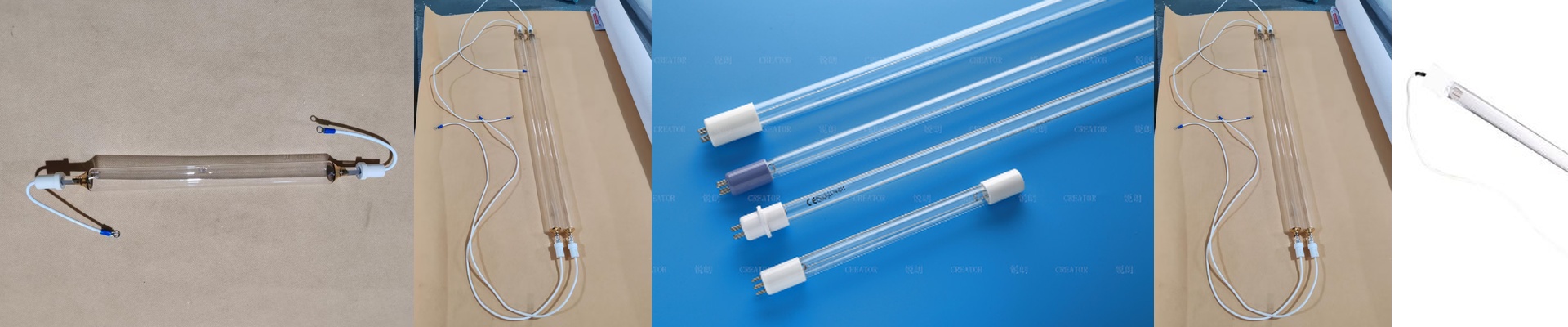
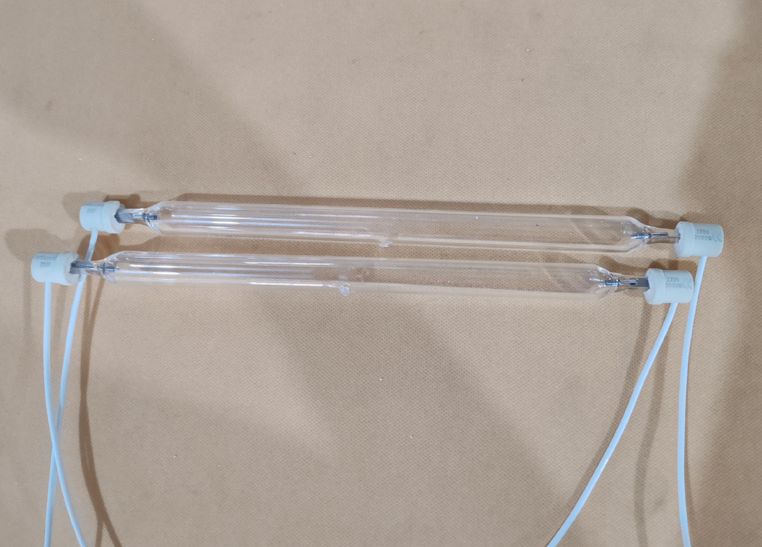
Let’s Talk About the 80W/cm Mercury UV Lamp
When we build our standard mercury UV lamps, we aim for a power density of 80W/cm. Why? Because that’s the sweet spot. It’s exactly the kind of energy you need to get industrial coatings and adhesives to cure fast. This isn’t your average light bulb—it’s a high-intensity tool built to trigger photopolymerization in a matter of seconds. The Heat and the Light Here is the thing about that 80W/cm rating: it tells you exactly how much heat and UV flux your conveyor system is going to deal with. These lamps hit hard at 254nm, but they also have strong lines at 313nm and 365nm. This broad spectrum is great because it handles everything from the surface resins down to the deeper pigments. You get a massive amount of photons, but there’s a catch. You’re also getting a lot of infrared radiation. If you’re working with materials that can’t take the heat, you’ll want to add a cooling system or just move the lamp a bit further away from the part. Otherwise, you’re looking at warped products. The Build Quality We use high-purity fused quartz for the outer shell. We can’t use standard glass—it would just block the short-wave UV and likely melt the moment it got hot. Inside, we’ve positioned the electrodes to keep the arc stable. This means less flicker and a lamp that doesn’t burn out prematurely. We also keep the tube diameter tight. It’s a small detail, but it means the lamp actually fits into your reflectors without rattling around or sitting crooked. Getting It Into Your Line Since we handle the quartz sourcing and the assembly ourselves, we can cut out the middleman markups. You get the technical specs you need, but the cost stays reasonable. These are designed to be simple drop-in replacements for most standard UV arrays. Just one quick tip: double-check that your ballast is rated for the total wattage of the lamp length. You don’t want to overdrive the arc.