Let’s Talk About Mercury UV Curing Bulbs
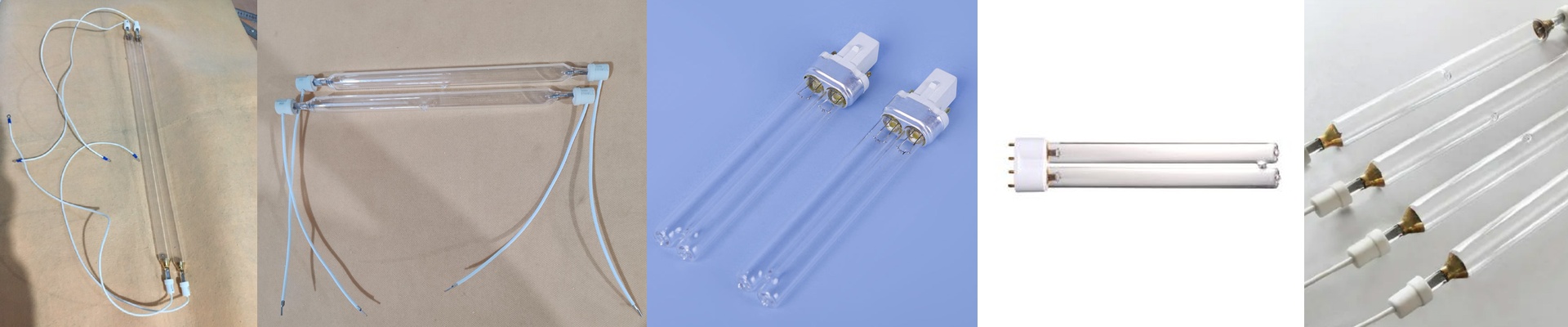
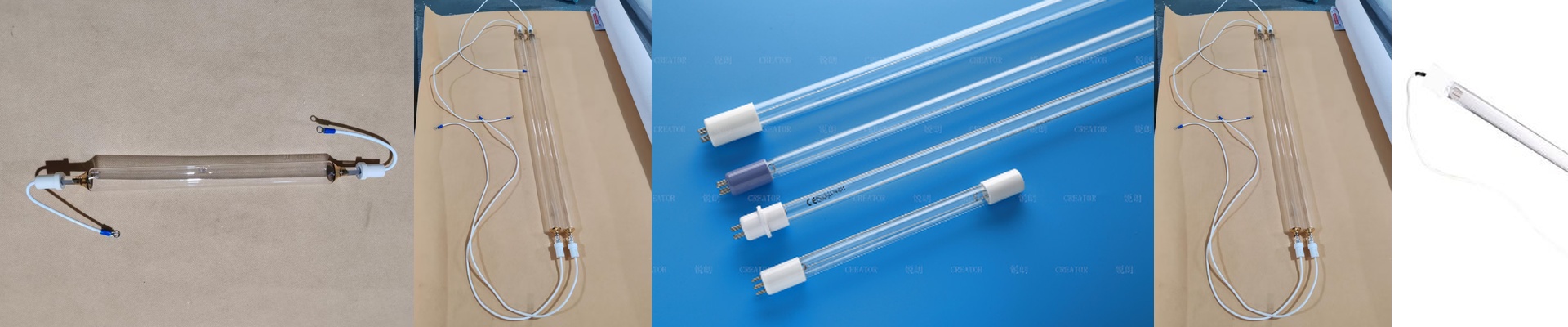
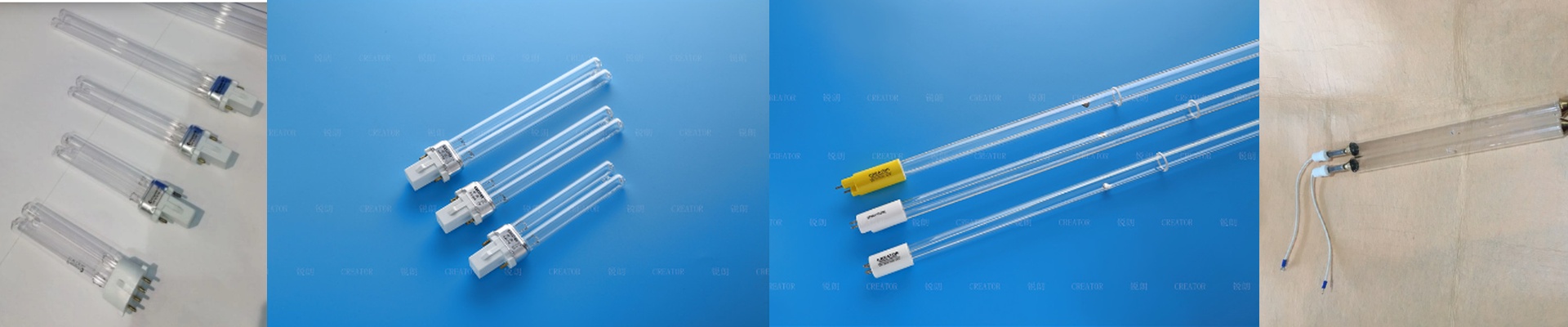
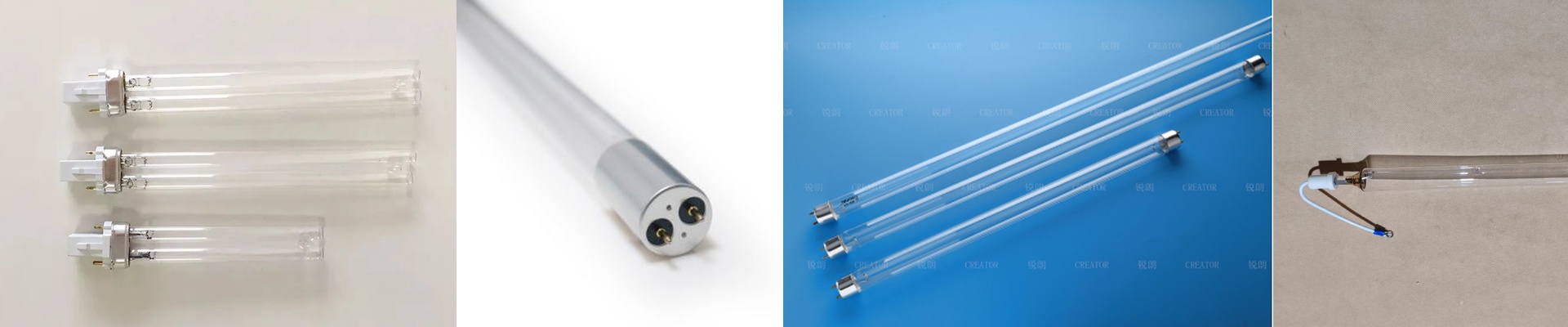
Mercury UV bulbs are the real heavy lifters of industrial drying. We build these things to do one job: turn liquid monomers into solid polymers in a heartbeat. Now, everyone is talking about LEDs these days. And sure, they’re great. But for high-speed lines or thick coatings, standard mercury vapor is still the gold standard. It just gives you that raw, broad-spectrum punch that LEDs can’t quite match.
Getting the Power Right
When we calibrate these bulbs, it’s all about the balance between wattage and voltage. We’re aiming for a specific “hit” of energy. Inside the bulb, you’ve got a plasma discharge. It peaks at 254nm, but it’s that wider spectrum that really matters. Why? Because if you’re using pigmented inks, they tend to block shorter wavelengths. You need that breadth to make sure the cure happens all the way through—not just on the surface. If you crank up the wattage, you get more photons. That means your line moves faster. But here’s the catch: your conveyor speed has to be in sync with the lamp. If you’re off, you’ll either end up with tacky, under-cured parts or, worse, you’ll scorch your materials.
Heat and Hardware
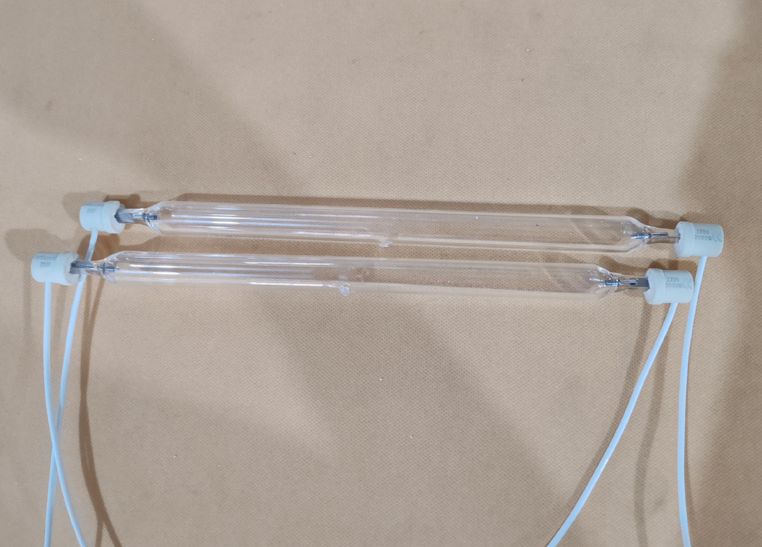
We use high-purity fused quartz for the glass. It has to be. These bulbs get incredibly hot, and the glass needs to expand and contract without just snapping. But you have to help the bulb out. If your cooling fans quit or your reflectors get coated in grime, the quartz degrades and the bulb burns out way too soon. It’s a fragile balance. We also spend a lot of time on the end-caps. A tight electrical fit is the only way to stop arc-overs at the terminals. Nobody wants a spark where they don’t belong.
Making it “Smart”
Updating your setup isn’t just about swapping the bulb; it’s about how you control it. We pair these lamps with precision ballasts so you can tweak the power based on what your sensors are seeing in real-time. It means your cure rate stays the same, even if your shop floor feels like a sauna one day and a freezer the next. Just a heads-up: more power means more heat. Make sure your heat sinks are up to the task. If you skimp on the cooling, you’re just killing your lamp’s lifespan.