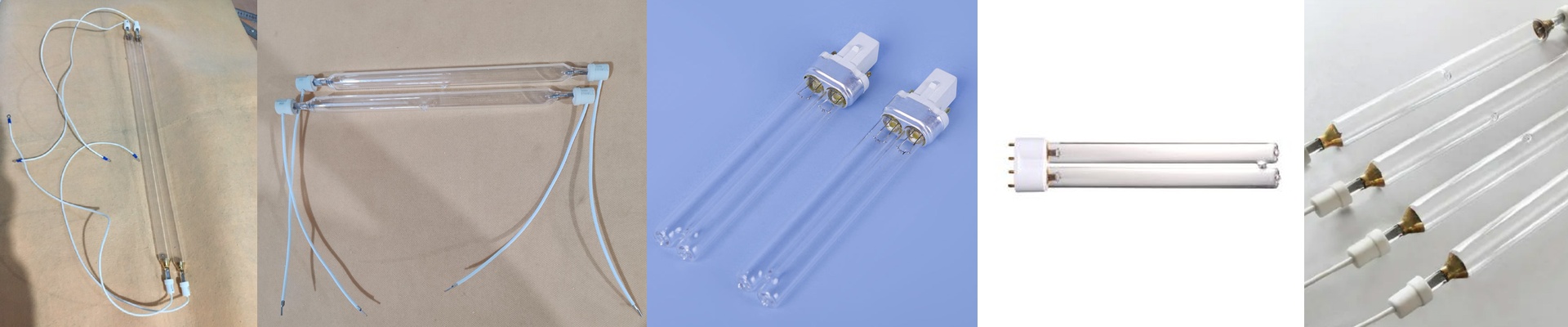
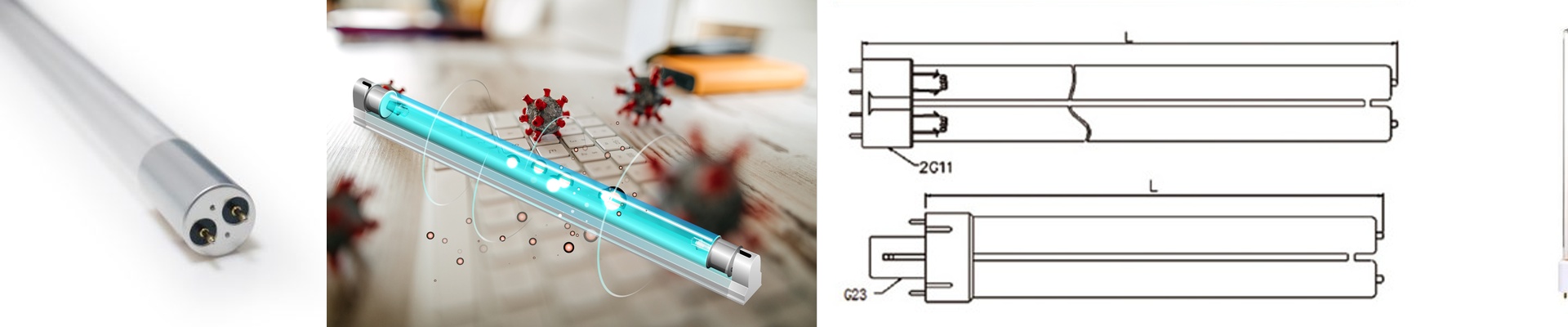
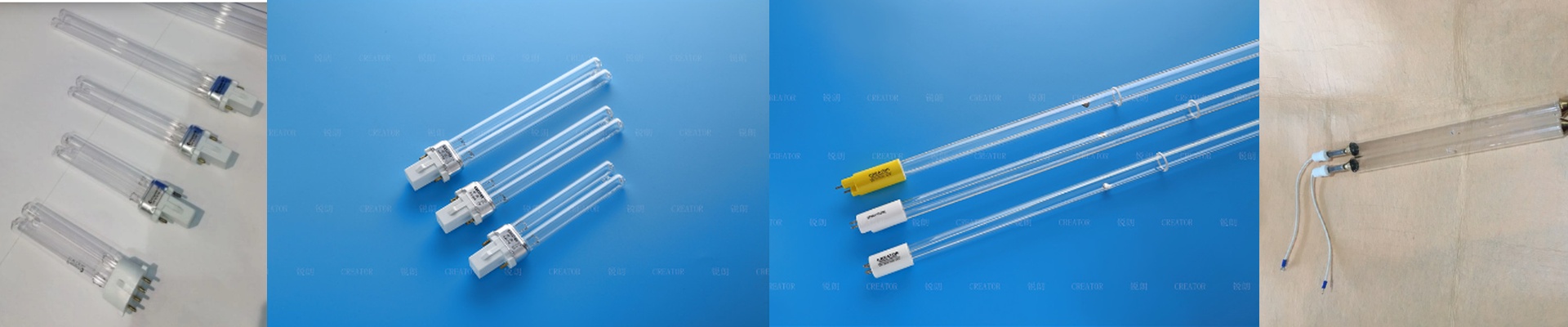
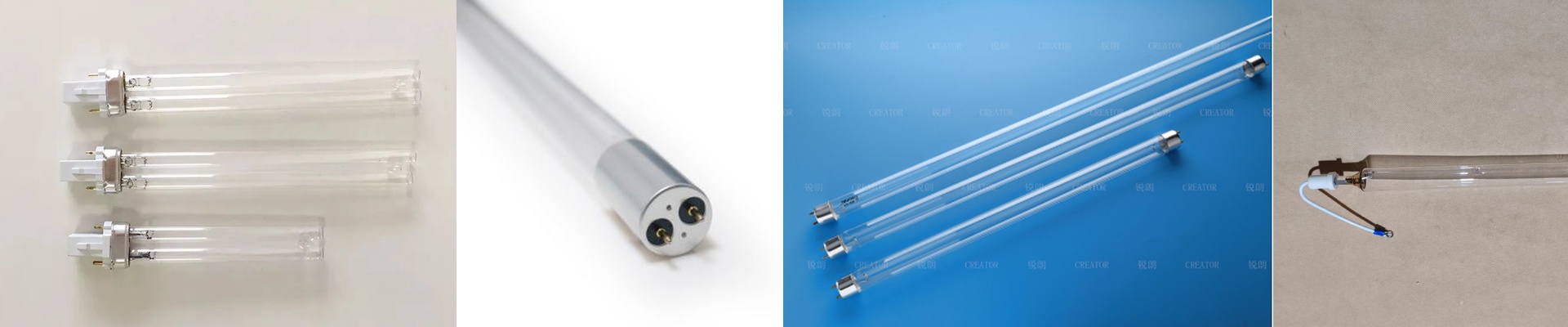
Getting Your UV Curing Right: Why Spectral Precision Actually Matters
Most UV lamps just throw a broad blast of light at your product. In a casual setting, that’s fine. But when you’re running a high-precision line, that “broad spread” is basically a liability. We spent a lot of time in R&D trying to tighten that energy concentration down to a 0.5% variance. This isn’t some fancy marketing claim. It’s about making sure the photoinitiators in your resin actually react the same way across the entire surface. No surprises.
The nitty-gritty of the physics
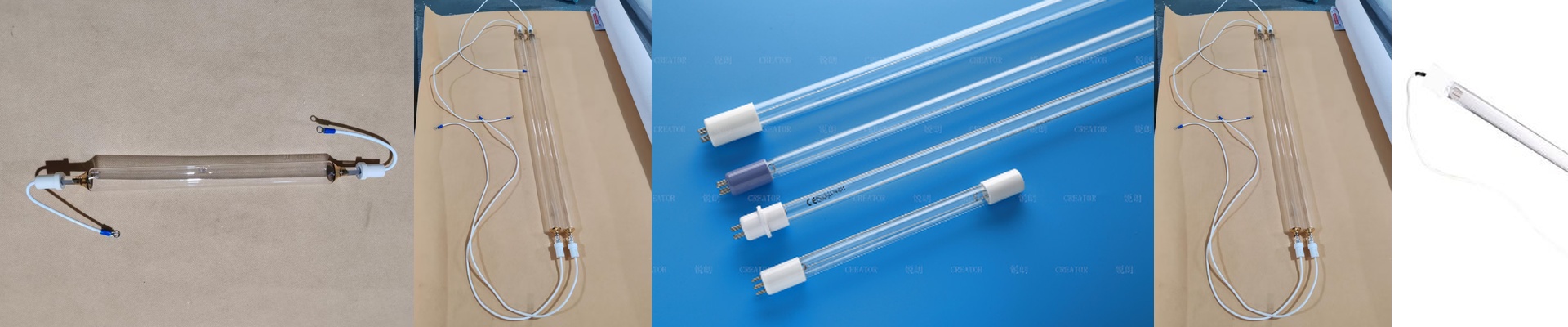
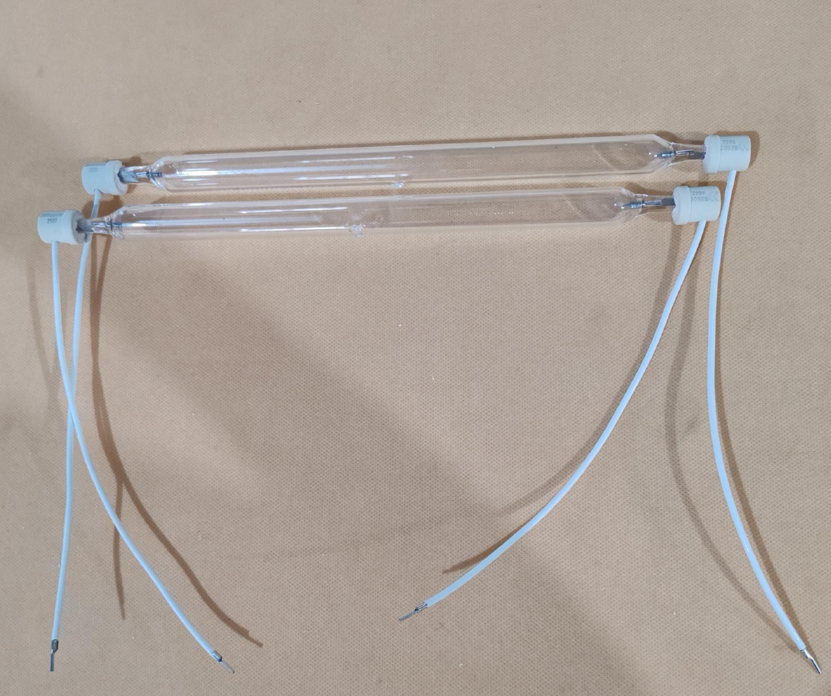
To get that 0.5% target, we had to rethink how the tube is built. Mercury vapor tubes depend on a very specific gas mix and electrode setup to keep the plasma arc stable. If the gas mixture drifts even a tiny bit, the peak wavelength shifts. That’s when you start seeing the “nightmare” scenarios: spots that aren’t fully cured or, worse, surfaces that get scorched. We also tightened the gap between the electrodes. This stops the arc from wandering, which is usually why energy fluctuates in tubes that have been running for a while.
The trade-off: Life vs. Power
Usually, if you want a tube to last longer, you have to give up some of that initial punch. We found a way around that by using a special doped quartz. It stops “solarization”—that annoying clouding effect that happens when the glass takes a beating from high-energy photons. But here’s the catch. To actually see these benefits, you need a rock-solid power supply. If your ballast has a lot of voltage ripple, that 0.5% precision just disappears. You’ll need to make sure your power units are up to the task.
What this means for your shop floor
These are drop-in replacements for high-speed coating lines. Simple. Because the energy is concentrated exactly where the chemistry needs it—rather than being wasted as infrared heat—you can actually crank up your conveyor speed. You’ll see less waste and fewer rejected parts. One quick tip: keep your cooling fans clean. These tubes run hot to maintain that narrow peak, and they need to breathe.