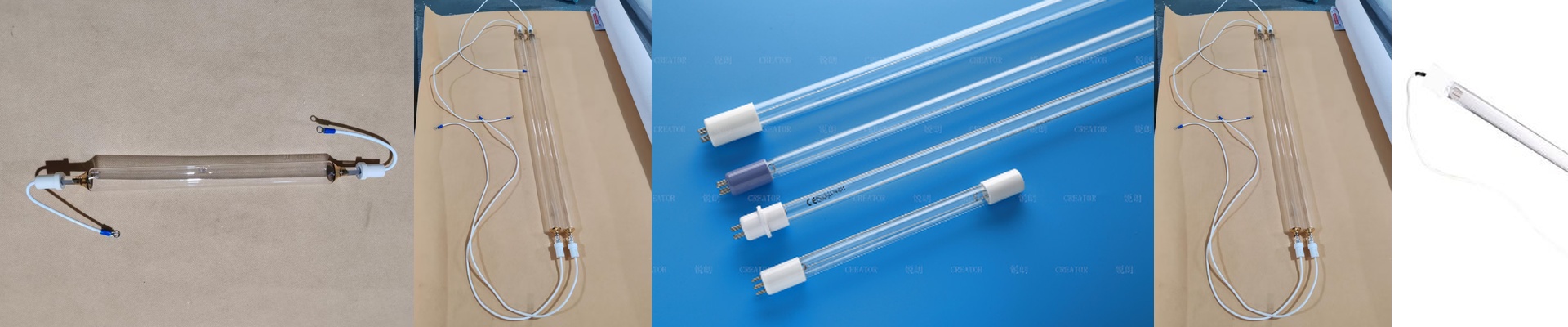
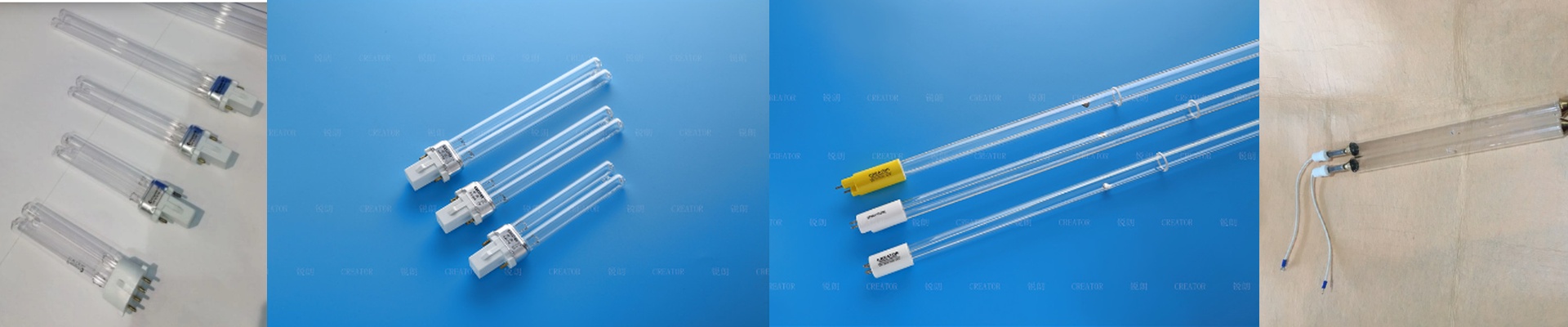
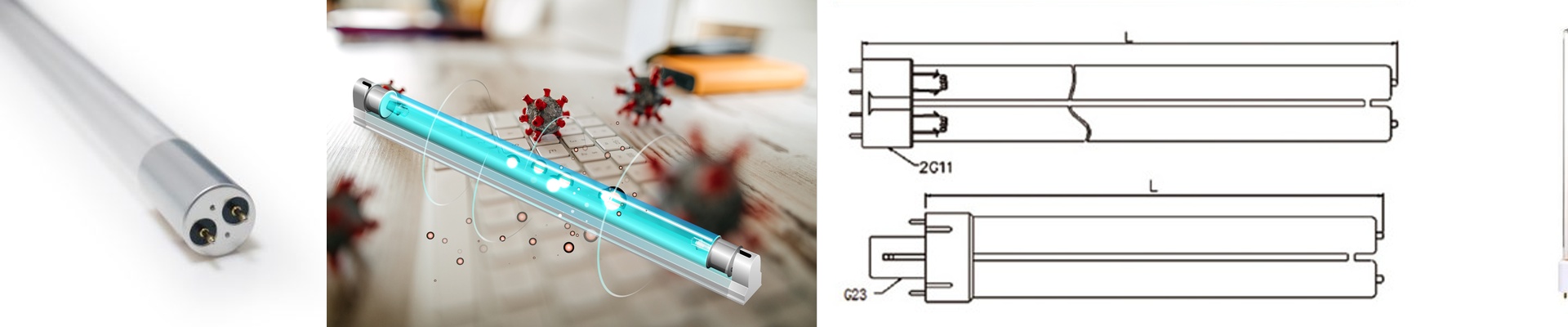
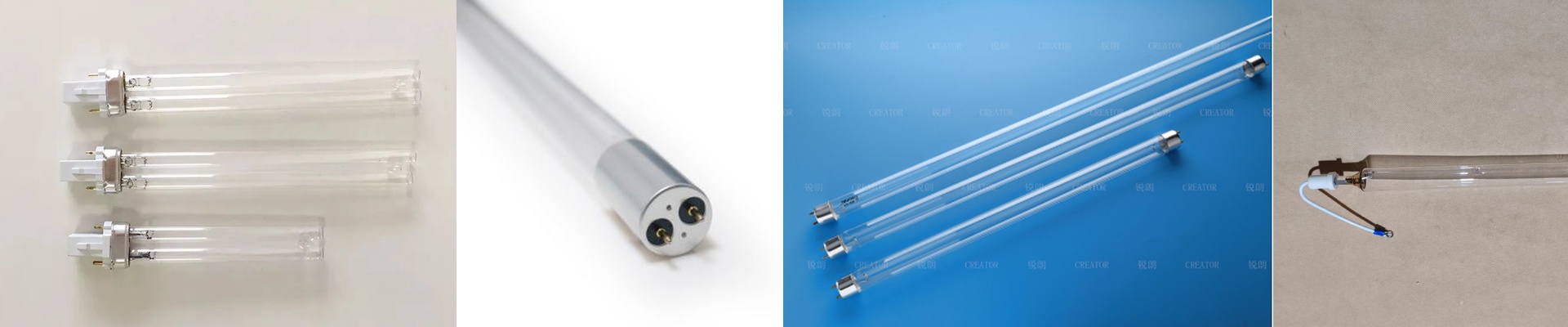
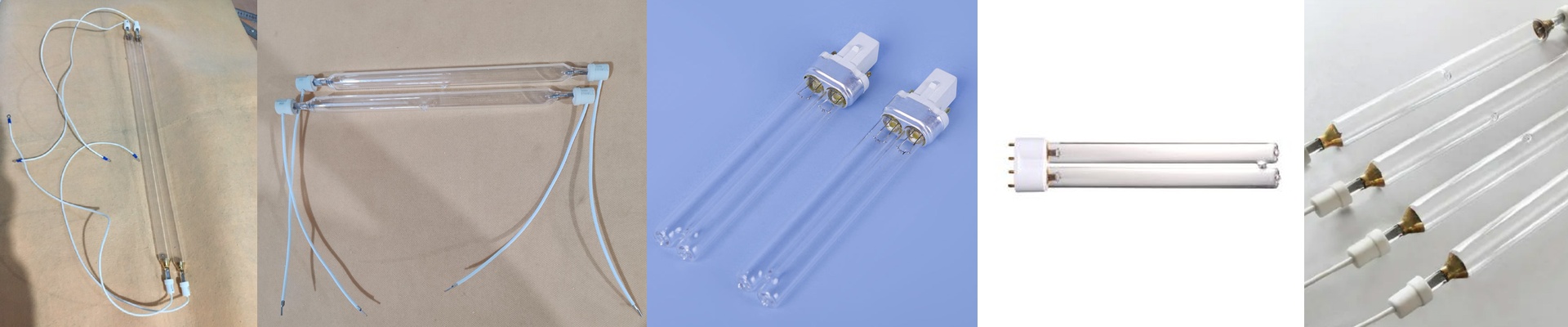
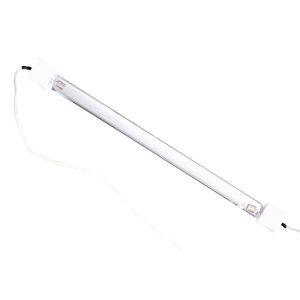
Let’s talk about the 80W/cm Mercury UV Lamp
We built these lamps to do the heavy lifting in small and medium print shops. Think of the 80W/cm power density as a sweet spot. It’s plenty of punch to cure your inks and coatings, but it won’t instantly toast your materials. The deal with power density When we talk about 80W/cm, we’re talking about how much energy is coming out of every single centimeter of that tube. In the real world, this is what decides your line speed. Sure, cranking up the wattage lets you run faster. But there’s a catch: more power means more heat. You’ve got to make sure your cooling fans are actually doing their job. If the airflow is lazy, that quartz glass gets too hot, and you’ll be replacing your lamps way sooner than you want to. What’s happening inside the glass Inside, we use a standard mercury discharge. It puts out a broad spectrum of UV—mostly peaking at 254nm and 365nm. This is important because it triggers a huge variety of photoinitiators in your ink. We use a specific type of quartz glass for the envelope. It’s tough enough to handle the heat and the mercury vapor, but it stays “invisible” to the shortwave radiation, letting the UV light slide right through to your work. Making it work on your shop floor These are designed to be simple drop-in replacements. No fuss. We spend a lot of time getting the tolerances on the end-caps just right. Why? Because a loose fit is a nightmare. It leads to arcing, and once that starts, your socket is toast. One last thing to keep in mind: these lamps aren’t like a light switch. They need a minute to warm up before they hit full strength. If you’re running a high-speed line, don’t just flip the switch and go. Give them time to ramp up, or use a shutter system. Otherwise, those first few prints are going to come off the line with uncured streaks, and nobody wants to deal with that.