Saving Energy Without Losing the Kill: A Real-World Look at UV Systems
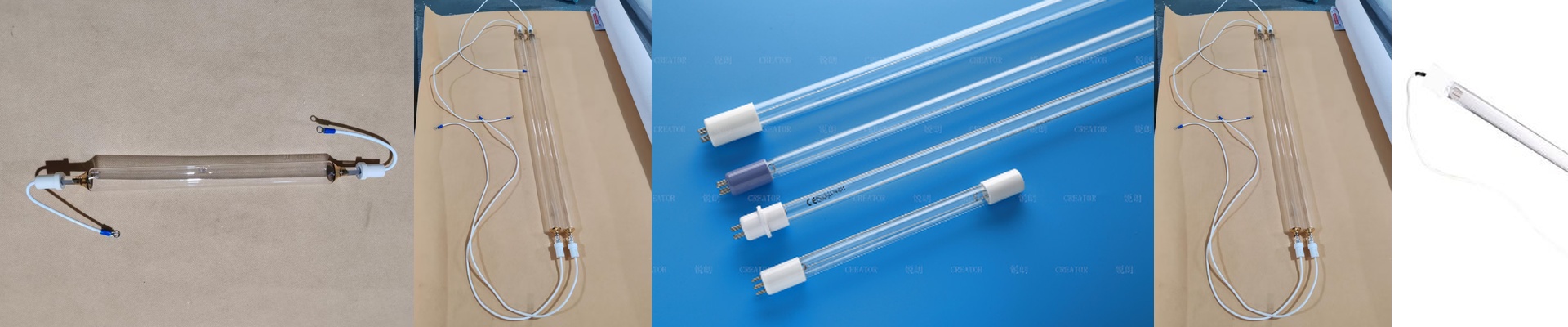
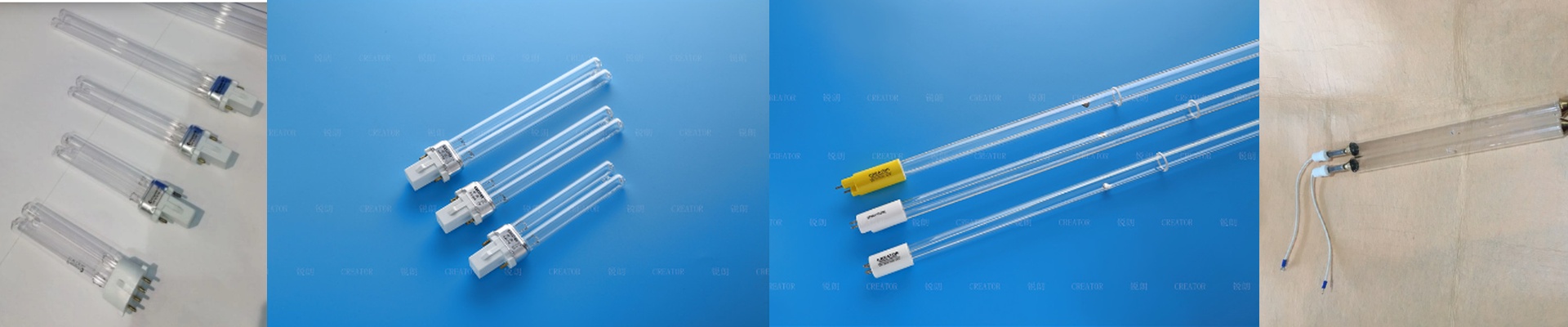
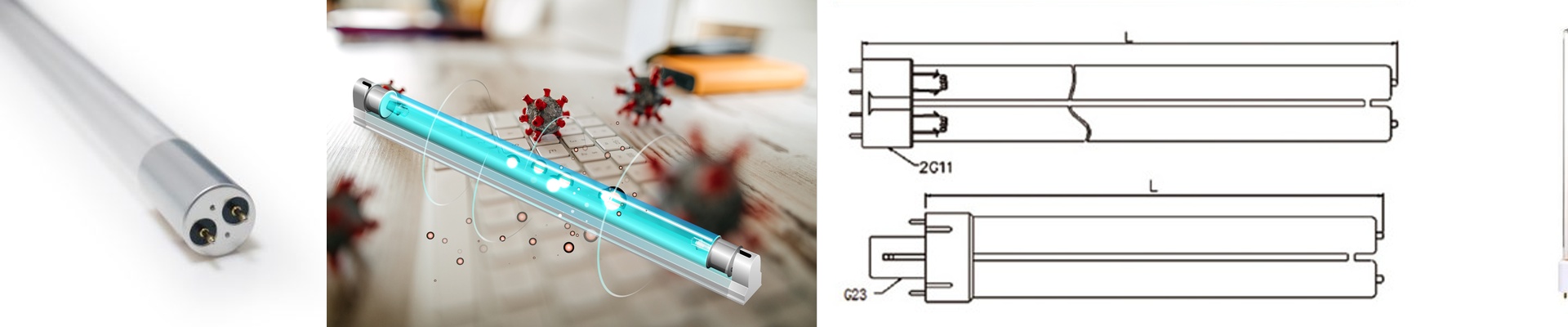
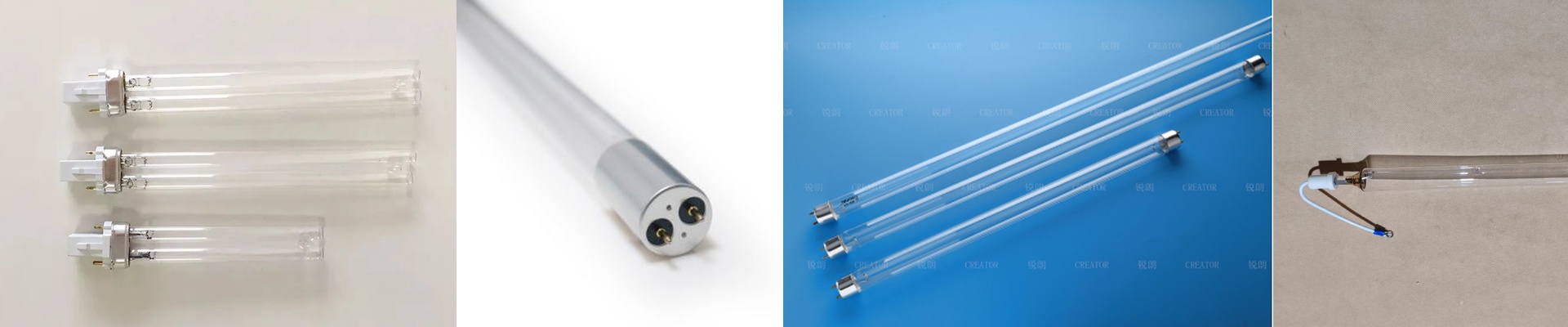
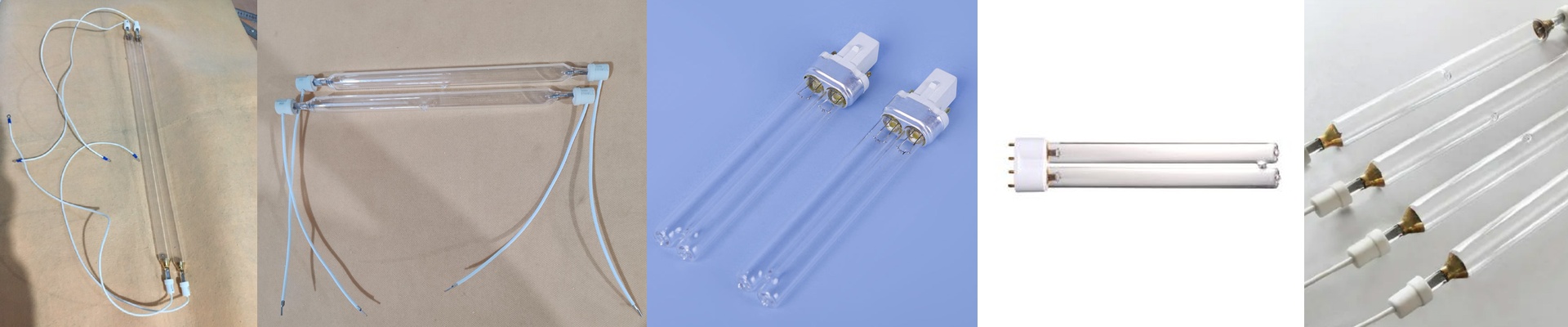
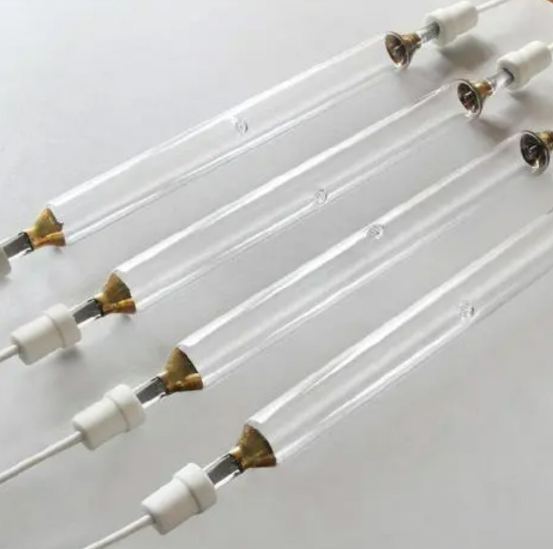
Let’s talk about UVC lamps. Most of these systems work by hitting microorganisms with 253.7nm radiation to break down their DNA. Simple enough, right? The trick we’ve focused on is keeping that exact “kill power” while cutting down the amount of electricity you’re paying for every square meter. The heat problem Here is the thing: most standard lamps are basically heaters that happen to emit some UV. That’s a waste. We switched to high-purity synthetic quartz glass because it doesn’t soak up the UV rays like cheap glass does. More photons actually hit your target instead of getting trapped in the tube. But you have to be smart about your setup. If you switch to a lower-wattage, energy-saving lamp, you can’t just keep your conveyor belt screaming along at full speed. You’ll need to slow things down a bit. If the product flies through too fast, it won’t get the dosage (mJ/cm²) it needs to actually be clean. Better guts, longer life Ever notice how cheap tubes just… burn out? That’s usually because of the electrodes. We use doped electrodes to stop that “sputtering” effect that clouds the glass over time. Combined with a thin, high-transmittance quartz envelope, the light stays clear and strong. No thick walls blocking the radiation. Getting them installed We didn’t want you to have to rip out your entire rack and rewire everything. These are designed as drop-in replacements. They fit the same footprint as the industry standards, so you just swap them out. One quick heads-up: check your ballast. Make sure the starting voltage matches the lamp. If they don’t play nice, you’ll get flickering or, worse, you’ll kill the lamp’s lifespan. The trade-off Look, nothing is perfect. These lamps prioritize your electric bill over raw, brute-force intensity. The main thing to watch for is the warm-up time. They take a little longer to hit full UVC output than those old-school mercury vapor lamps. Just build a little bit of lag time into your machine’s start-up sequence and you’re good to go.