Getting Your UV Lamps Right in Industrial Printing
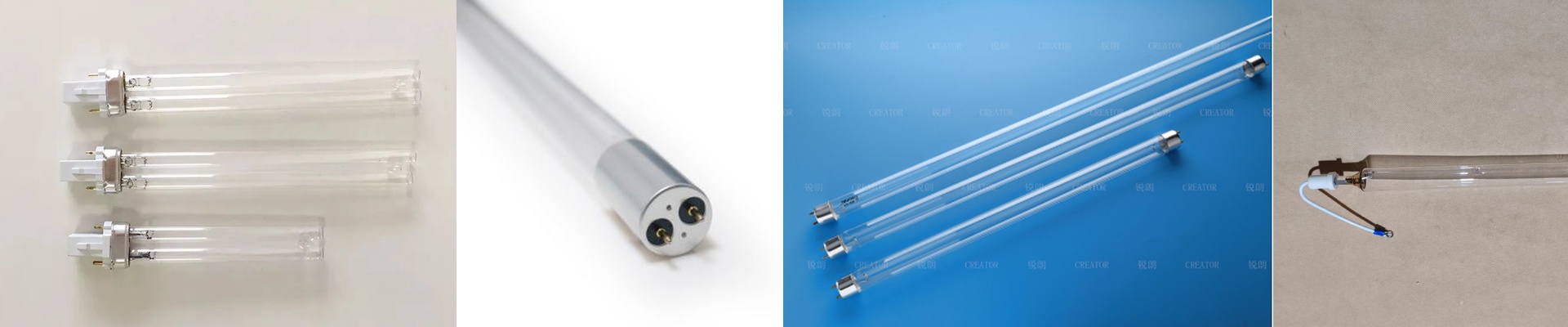
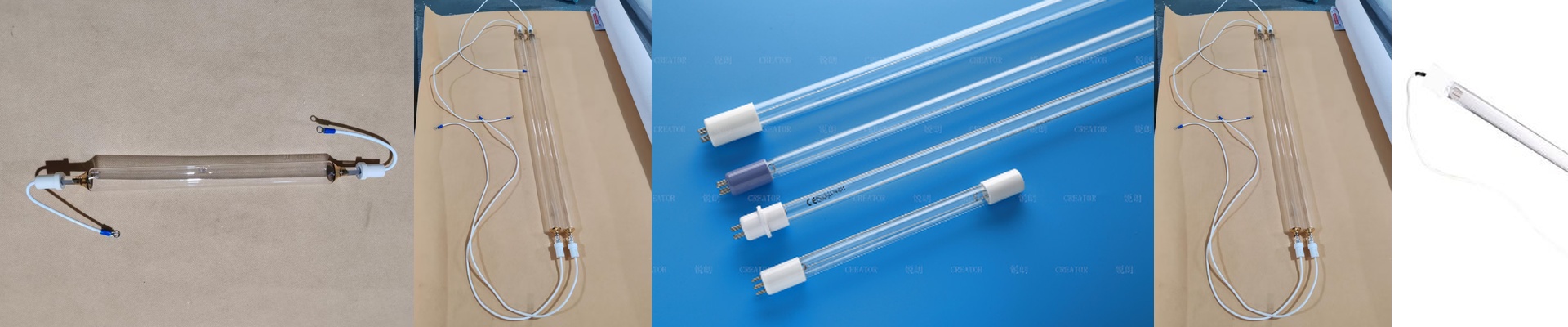
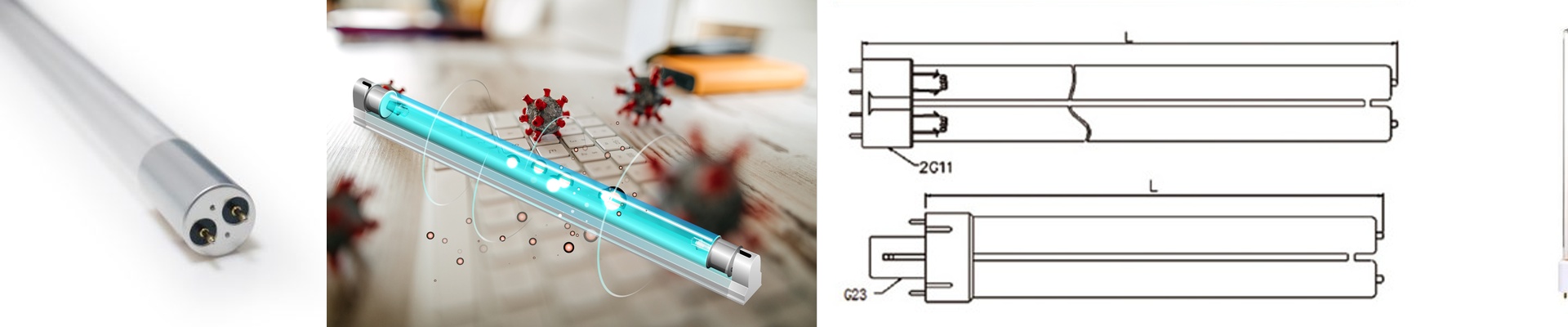
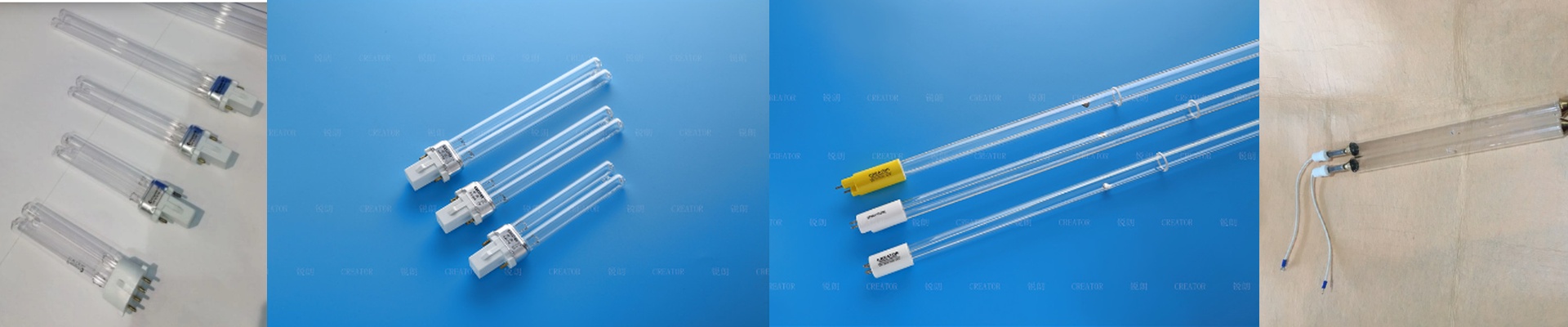
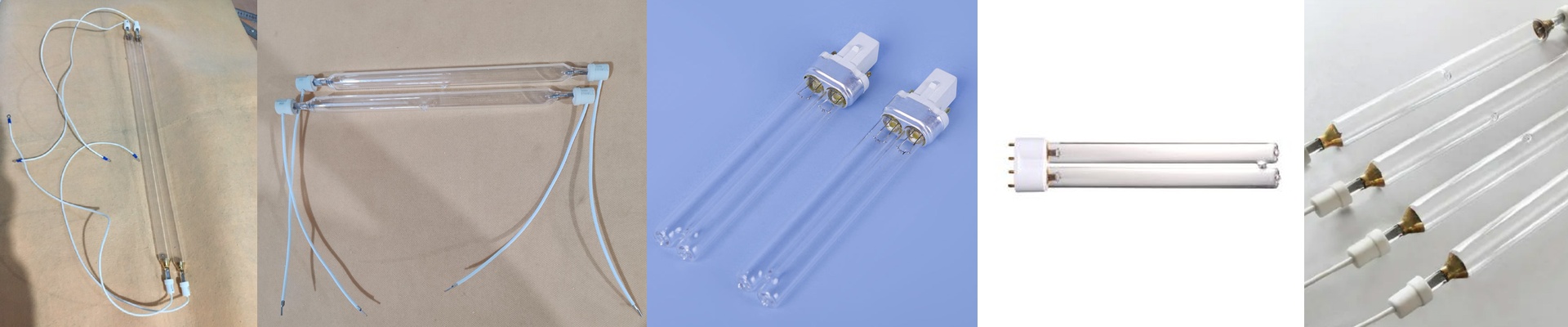
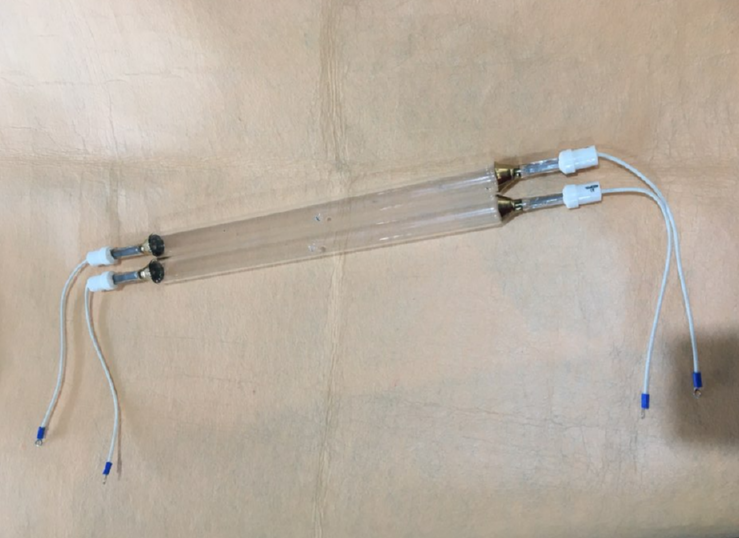
Think of your germicidal UV bulbs as the heartbeat of your sterilization and curing line. They aren’t just “parts” you swap out. When you’re buying in bulk, the cheapest price per unit is usually a trap. What you actually need is consistency. You need to know that every single inch of your material is getting the exact same treatment, every single time. The balancing act: Output and Speed Most of these lamps hit their peak at 253.7 nm. We build ours to survive the grind of a high-speed printing environment. Here’s the thing: if you’re running a fast line, your wattage per linear inch is what dictates your dwell time. Sure, cranking up the wattage lets you move more product, but it puts a lot of stress on your ballasts. It’s a trade-off. You have to find that sweet spot between UV intensity and conveyor speed so you don’t end up with under-cured spots or, worse, scorched material. The nitty-gritty on hardware We use high-purity quartz glass. Why? Because cheap glass actually blocks the UVC light you’re paying for. It’s a waste of money. And then there are the seals. In a vibrating printing press, the end-caps are usually the first things to go. If gas leaks out, the bulb burns out early. We use reinforced seals to stop that from happening. One more tip: these lamps get hot. Really hot. If your housing isn’t vented properly, that heat buildup shifts the spectral peak and kills your efficiency. Make sure your cooling fans can actually handle the total wattage of the bank. Rolling them out across the plant When you’re replacing lamps across a whole facility, the only thing that matters is that they all behave the same way. We provide matched batches. This keeps the UV irradiance uniform across every station, which means you won’t see those annoying “stripes” or uneven curing on the final product. Plus, we’re happy to jump in as technical consultants to make sure your power supplies and lamp impedance are actually playing nice together.