Getting Your UV Wavelength Just Right
When you’re curing resins or killing germs, you can’t just throw “bright light” at the problem. It doesn’t work like that. You need the energy hitting a very specific spot. For germicidal work, we aim for that 253.7nm line. For curing, we open things up to a broader UVC/UVB spectrum. It’s less about how “bright” the bulb looks and more about where the energy actually lands.
The Balancing Act: Heat and Pressure
Here’s the thing about mercury vapor: it’s finicky. We spend a lot of time balancing the pressure inside the tube against the temperature. If it runs too cold, the mercury doesn’t vaporize, and your output drops off a cliff. But if it gets too hot? The pressure spikes and kills the lamp’s lifespan. To stop the glass from bowing under that stress, we use a very specific quartz thickness. Just a heads-up: make sure your ballast matches our voltage requirements. If they’re off, you’ll deal with flickering or electrodes that burn out way too fast.
Why the Glass Matters
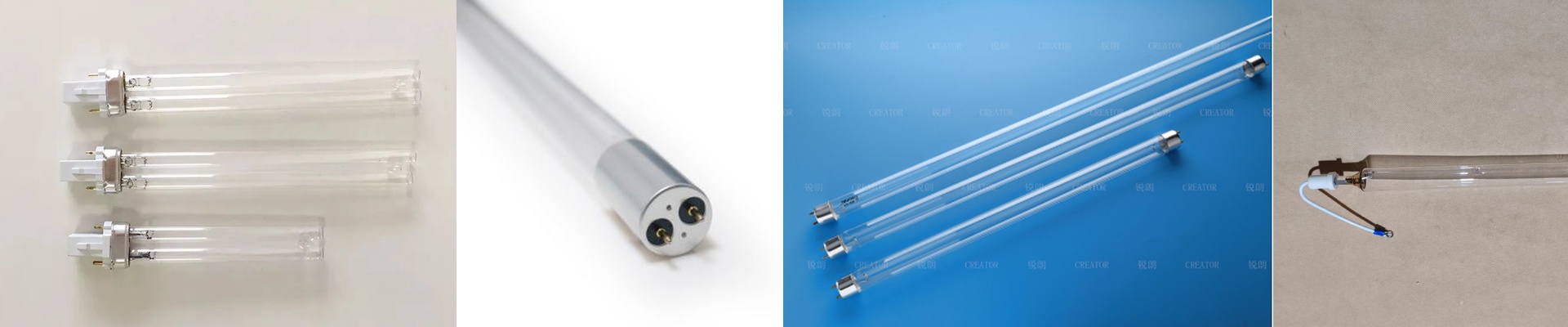
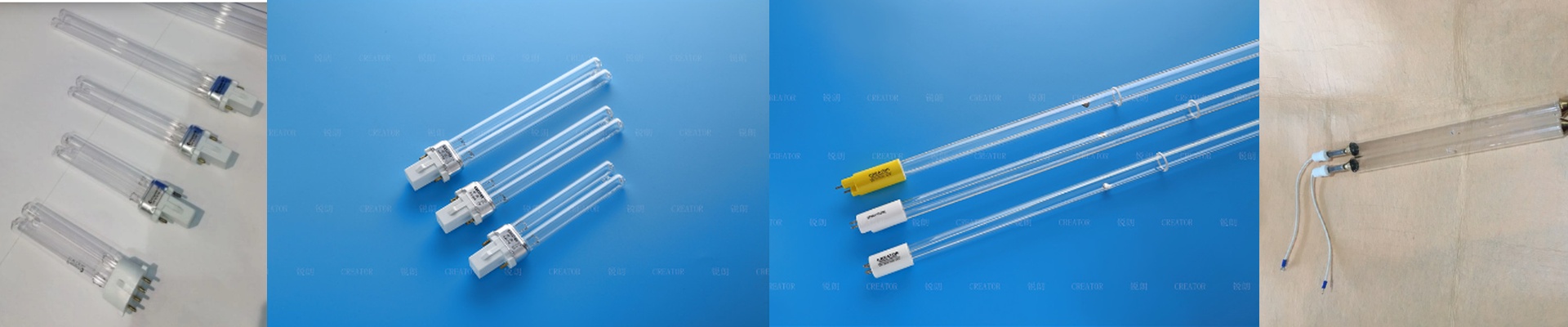
Standard glass is basically a wall for UV rays—nothing gets through. That’s why we use high-purity fused quartz. It lets the photons actually escape the tube and do their job. Some of our wholesale lines come with special coatings. These are great because they filter out the infrared heat that usually warps your materials. The trade-off is a slight dip in raw UV intensity. You’ll just need to figure out if your line speed can handle that swap.
Keeping Things Running
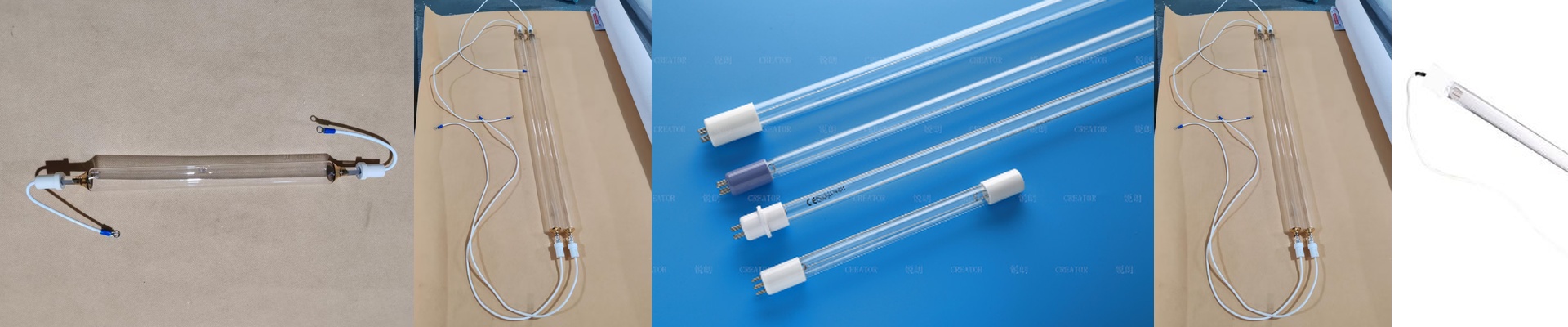
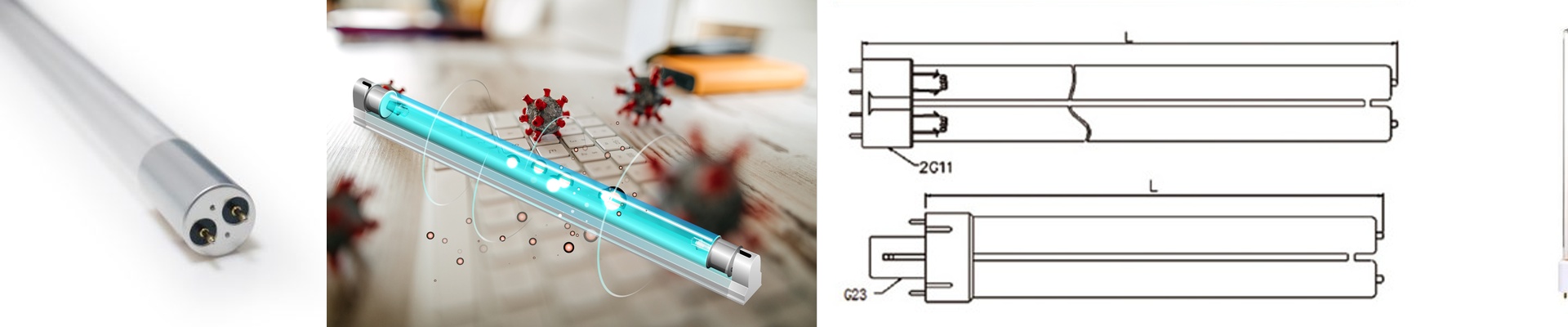
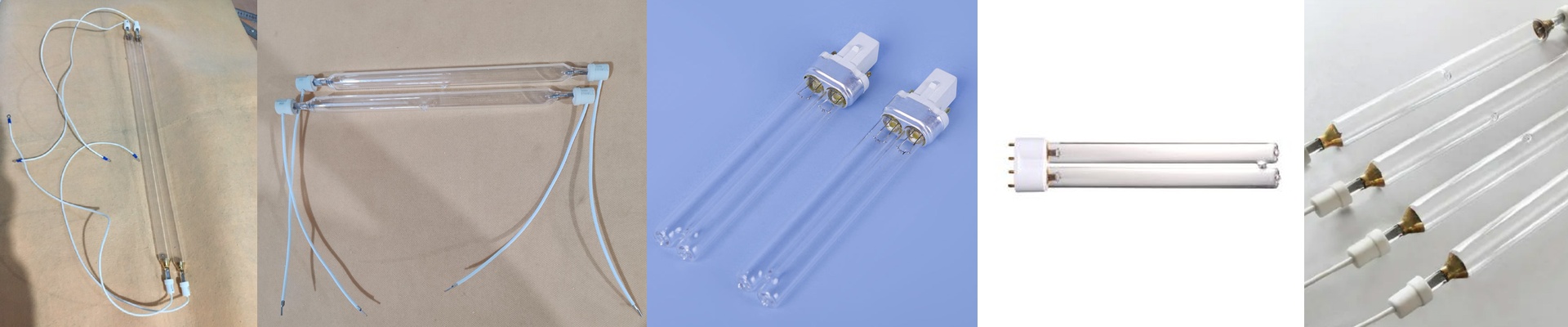
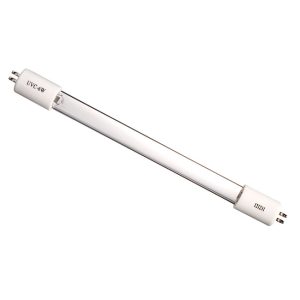
We build these to be simple drop-in replacements. No fuss. We obsess over the end-cap tolerances because if that seal leaks, the vacuum is gone and your lamp is basically a piece of scrap glass. One last tip:keep them clean. Dust isn’t just ugly; it creates hotspots. And hotspots lead to the glass failing. A quick, regular cleaning schedule will keep your bulbs hitting their rated lifespan without any surprises.