Why Who Owns the UV Patent Actually Matters
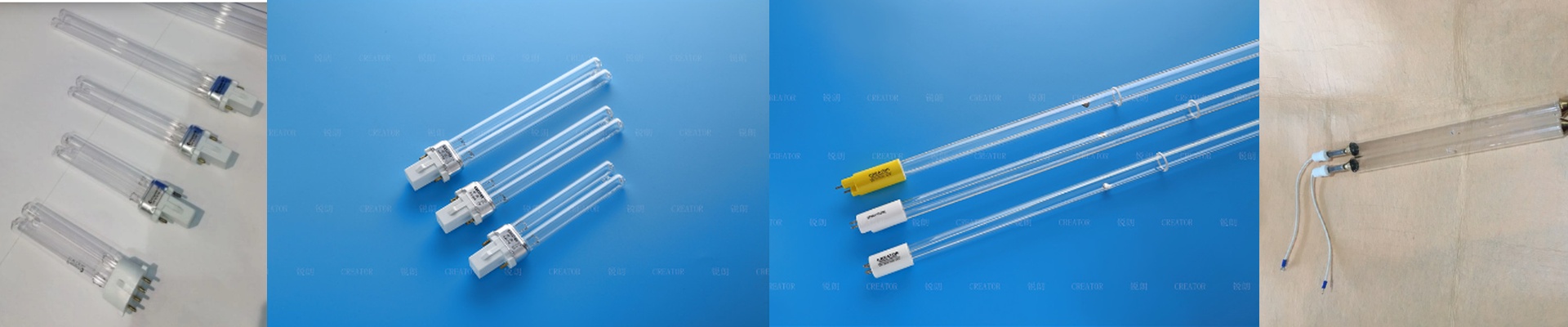
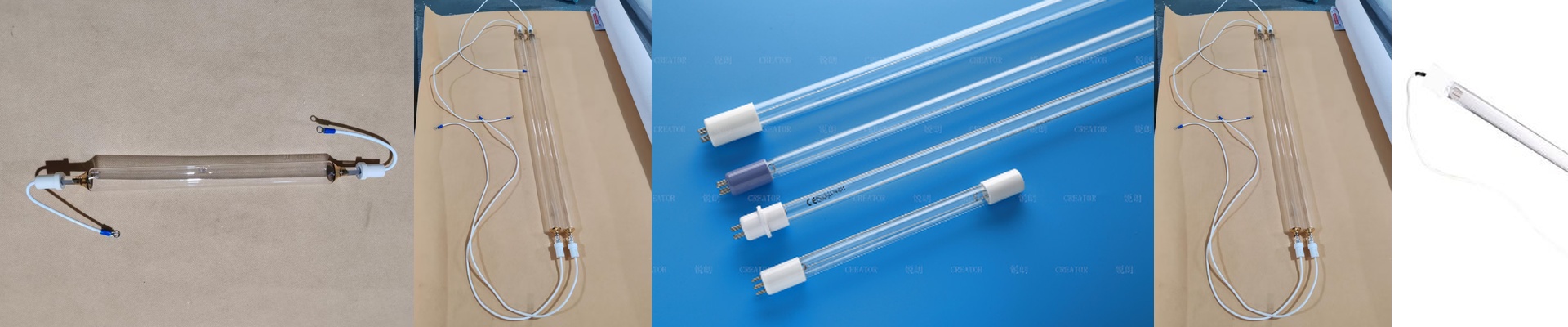
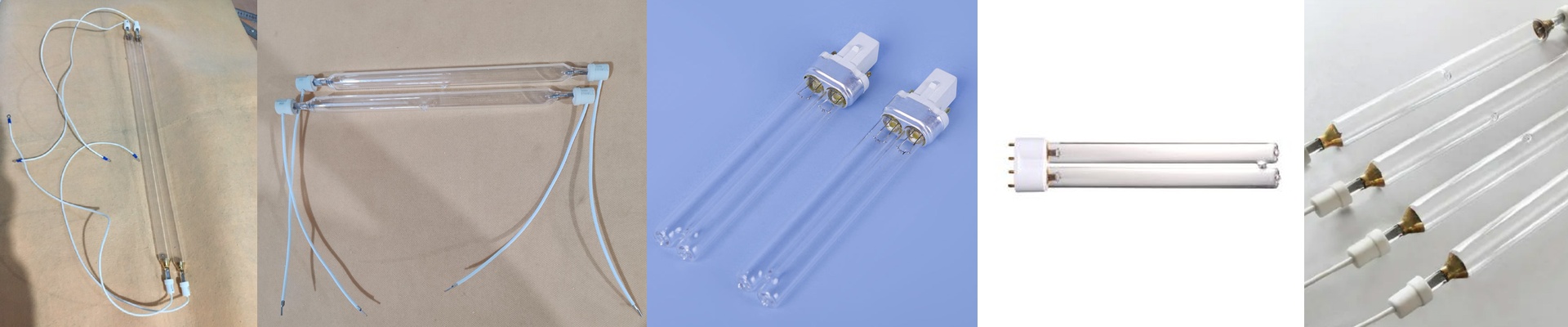
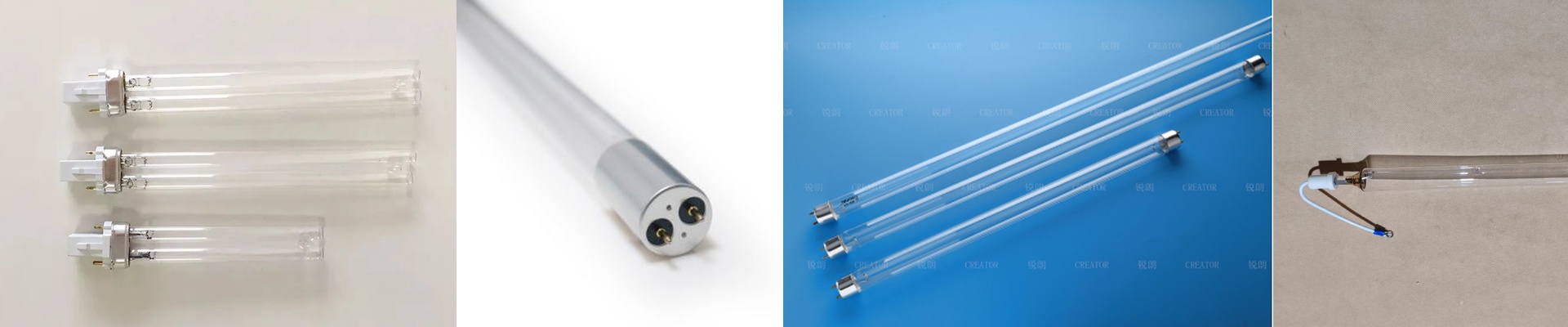
High-pressure mercury lamps are the heavy lifters of the curing and sterilization world. They just get the job done. But as we head toward 2026, the goalposts are moving. Everyone wants tighter spectral control and tubes that don’t burn out the second you turn them on. When you order these lamps, it feels like you’re just buying a piece of quartz filled with mercury. But you’re actually buying the “secret sauce”—the specific way the electrodes are shaped and the exact mix of gases inside.
The Headache of Supply Chain Risk
Here is the thing: buying from a supplier who owns their own patents isn’t about fancy badges or prestige. It’s about avoiding a total nightmare. In the world of international trade, there are people who make a living filing lawsuits over generic UV lamps. If a shipment uses an electrode design or a coating that someone else claims to own, things get messy. Your cargo can get seized at customs. You might get a legal notice in the mail. It’s a massive stress you don’t need. That’s why we use our own patented tech. We want you to move your product across borders without looking over your shoulder.
Getting the Engineering Right
We’re obsessed with stability. We use high-purity fused quartz because it can handle the brutal heat without cracking or failing early. We’ve also tweaked the internal pressure to push the UVC output to the max while keeping the waste heat down. But a word of caution. If you try to cram higher wattage into a tiny footprint, the heat builds up fast. If you go for a high-intensity lamp, make sure your cooling fans and heat sinks can actually handle it. If you under-cool the system, you’ll get “solarization.” That’s a fancy way of saying the quartz clouds over and kills your UV output long before the lamp should be dead.
Keeping Things Simple
Because our designs are patented and standardized, our lamps usually just slide right into most industrial rigs. No hacking, no modifying, no fuss. We handle the boring stuff—the certifications and the patent filings—so you can just focus on your production line. You get to keep the machines running without worrying about a cease-and-desist order shutting you down.