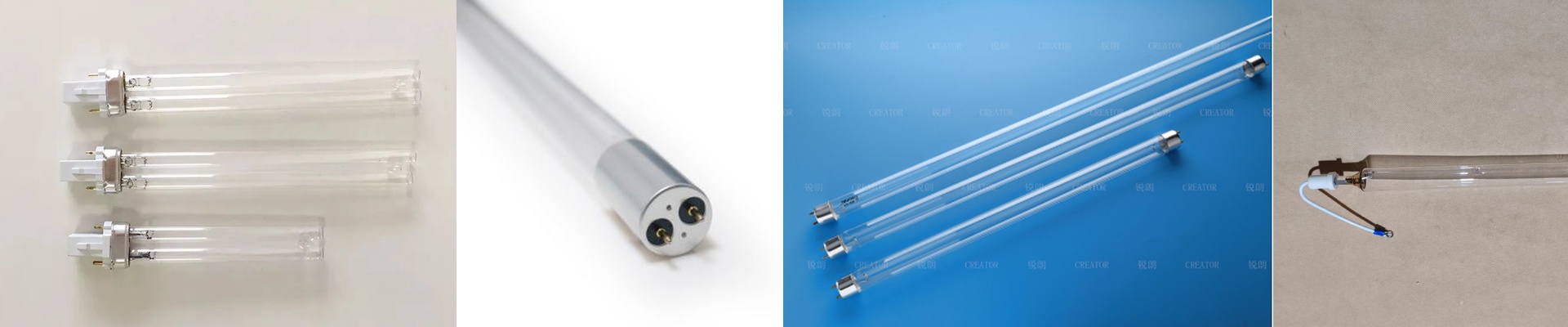
Getting Your Textiles Right: The Truth About Mercury UV Lamps
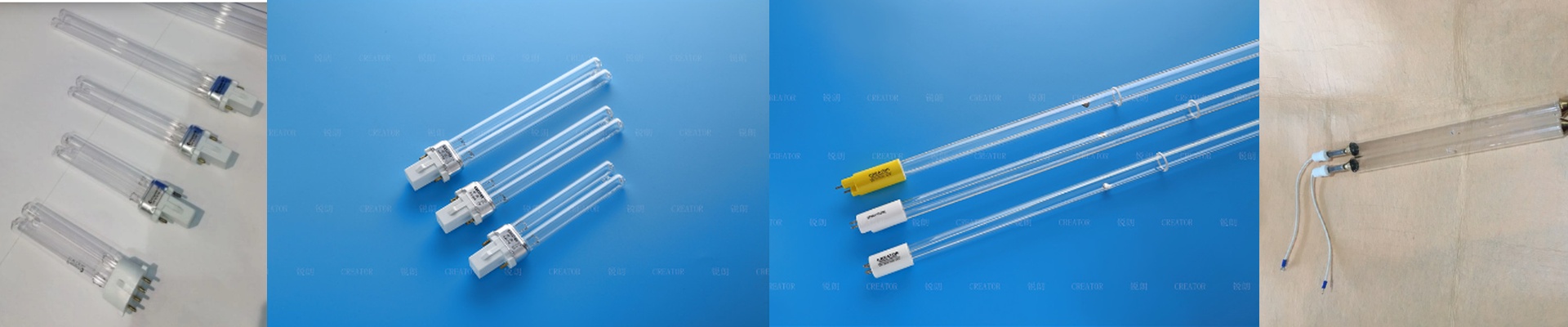
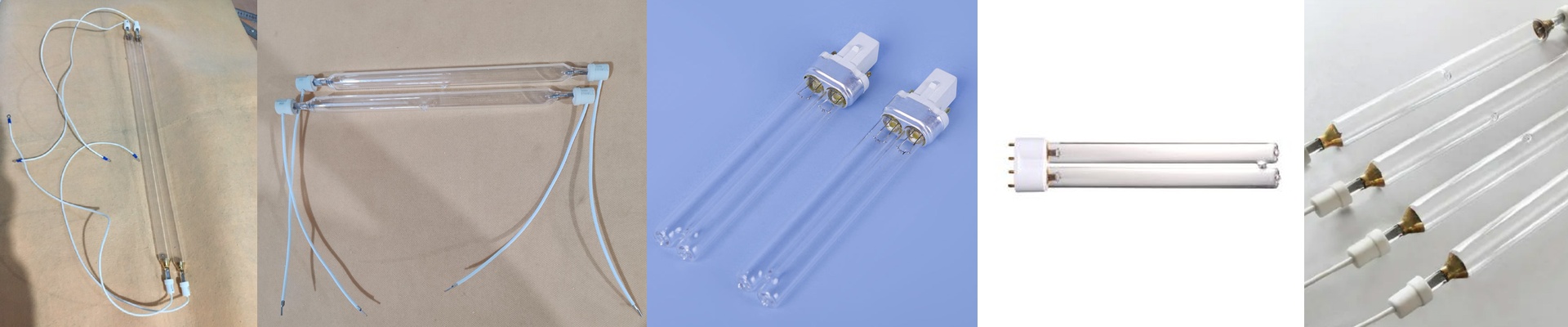
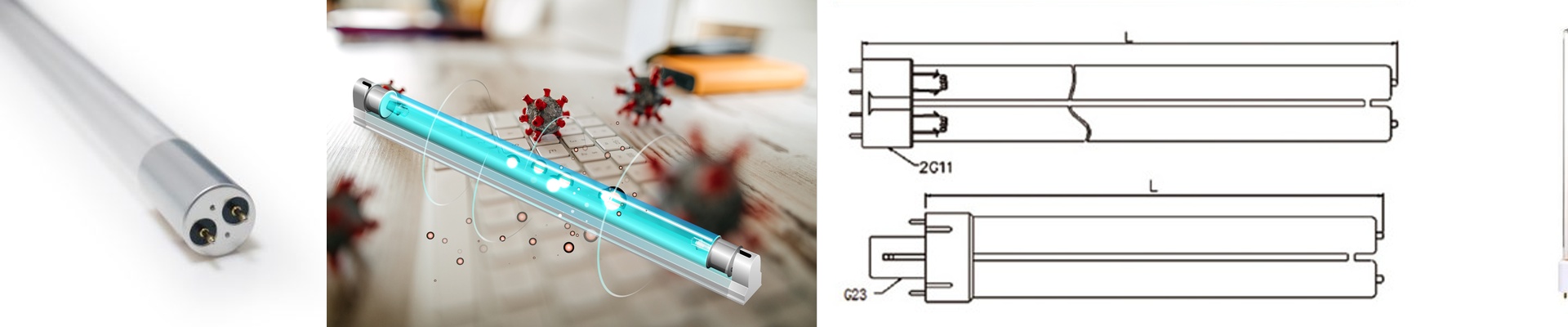
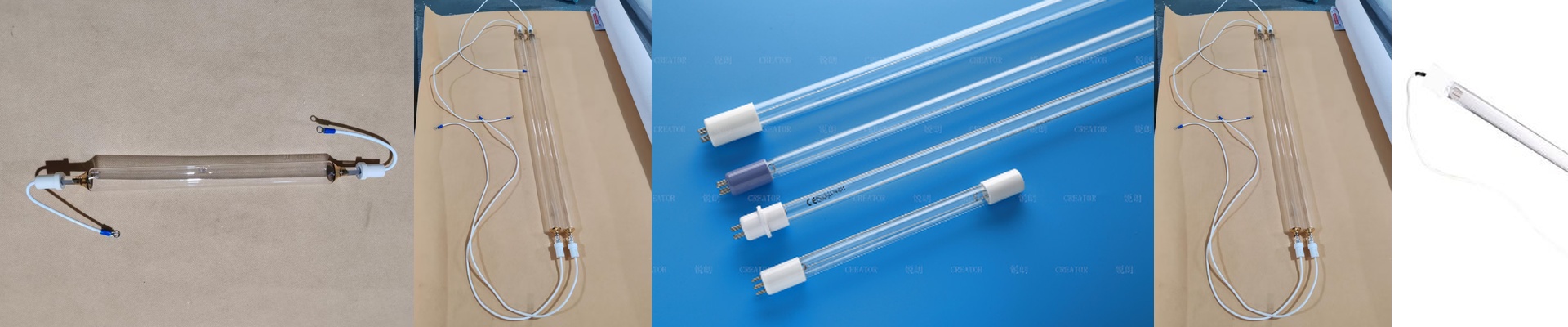
If you’re running a textile line, you know the struggle. You’ve got the perfect dye or a killer print, but if it doesn’t set instantly, you’re just making a mess. That’s where our mercury UV lamps come in. They aren’t just “lights”—they’re the muscle that locks your inks and coatings onto the fabric the second they hit the line.
How the Magic Actually Happens
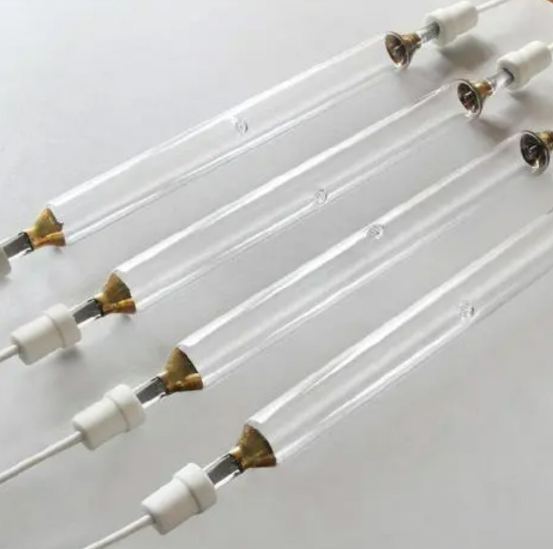
Inside these lamps, we’ve got mercury vapor doing the heavy lifting. When the electricity hits, it creates a high-intensity arc that pumps out a specific kind of UV radiation. This energy hits the chemicals in your ink and forces them to bond immediately. But here is the catch:speed is everything. If you crank up your conveyor belt but your lamps aren’t powerful enough to keep up, you’re going to have a bad day. You’ll end up with “tacky” fabric—that sticky, half-dried feeling that smears the moment you try to fold the garment. It’s a nightmare to fix.
Where This Actually Matters
You’ll see these lamps working behind the scenes in a few different spots: ***Digital Printing:**It stops the ink from bleeding. Period. ***Special Coatings:**When you’re adding water-repellents or flame retardants, you need them to set fast so the fabric still feels breathable and doesn’t get stiff. ***Screen Printing:**For the heavy stuff—like thick ink on denim or canvas—you need the raw power of a mercury lamp to get all the way through.
The Trade-offs (Because Nothing is Perfect)
Here’s the thing: these lamps get hot. Really hot. Along with the UV rays, you’re getting a lot of infrared heat. If you push the power too hard to speed up your production, you might actually scorch your fabric. This is especially true for synthetics like polyester, which can melt or warp if they get too toasted. To avoid that, we usually suggest adding a cooling system or just moving the lamps a bit further away from the fabric. It’s all about finding that sweet spot. And one last tip? Keep an eye on your hours. These lamps don’t always just “pop” and go dark. Instead, they slowly lose their punch. You might not notice the UV intensity dropping, but your cure rates will. Swap them out based on their run-time so you don’t find out the hard way that your ink isn’t setting.