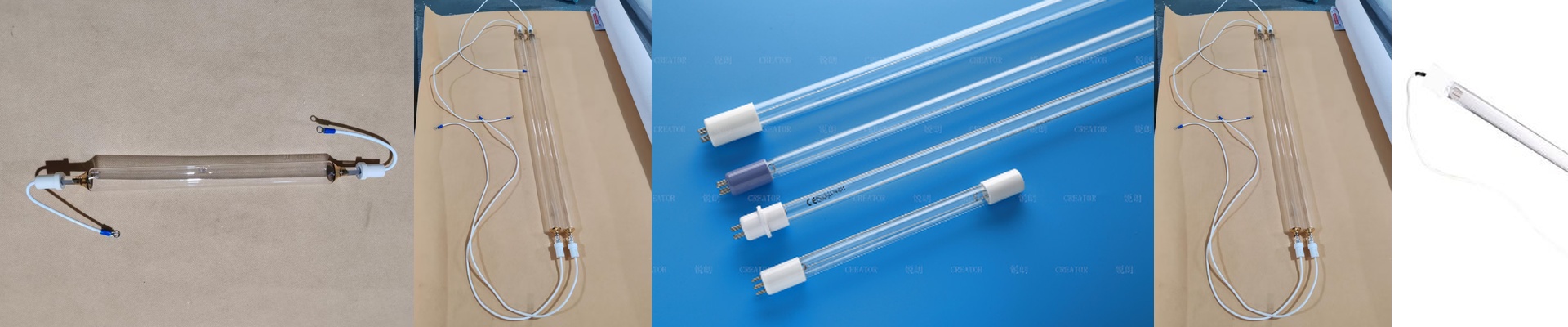
Making UV Bulbs That Actually Last (and Stop Wasting So Much)
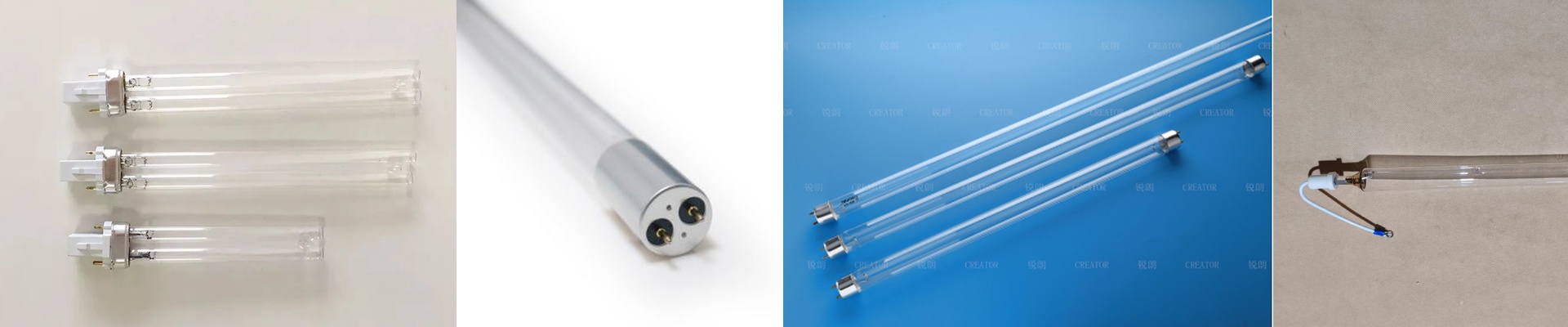
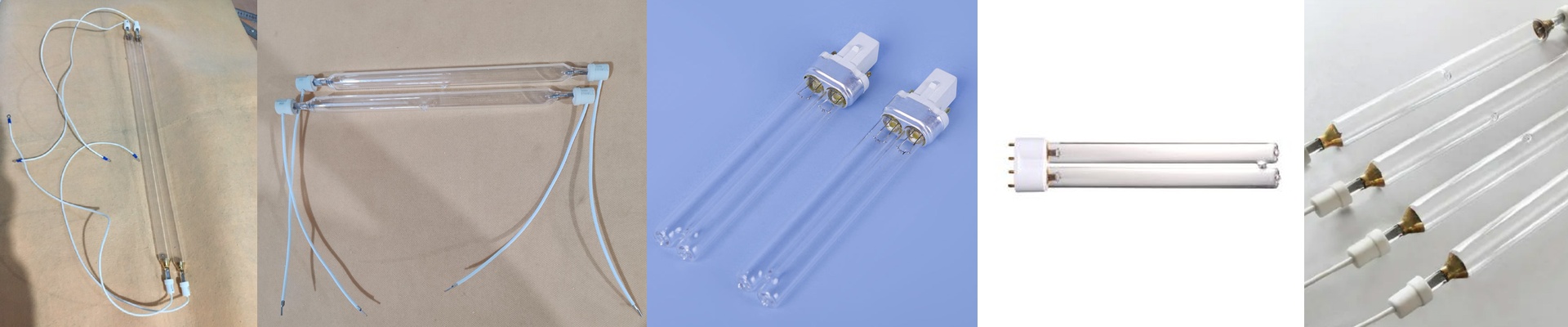
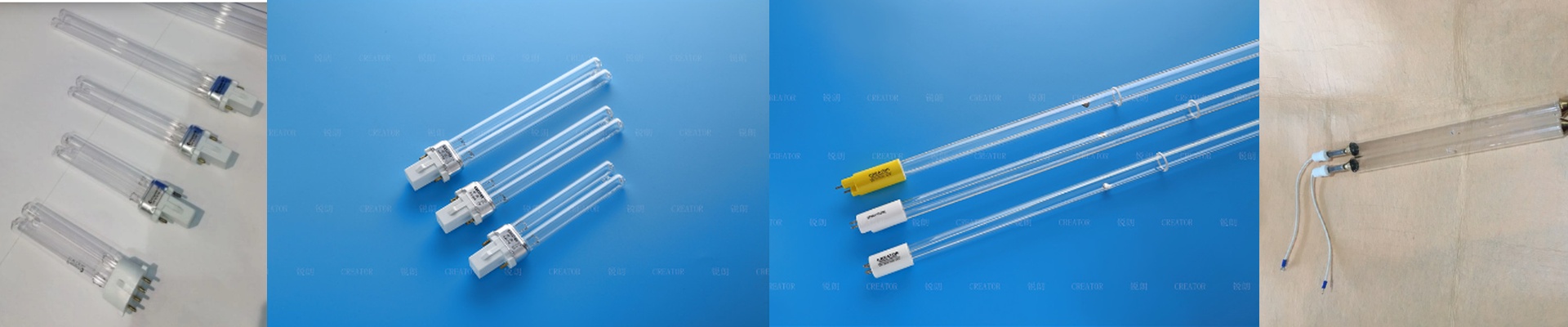
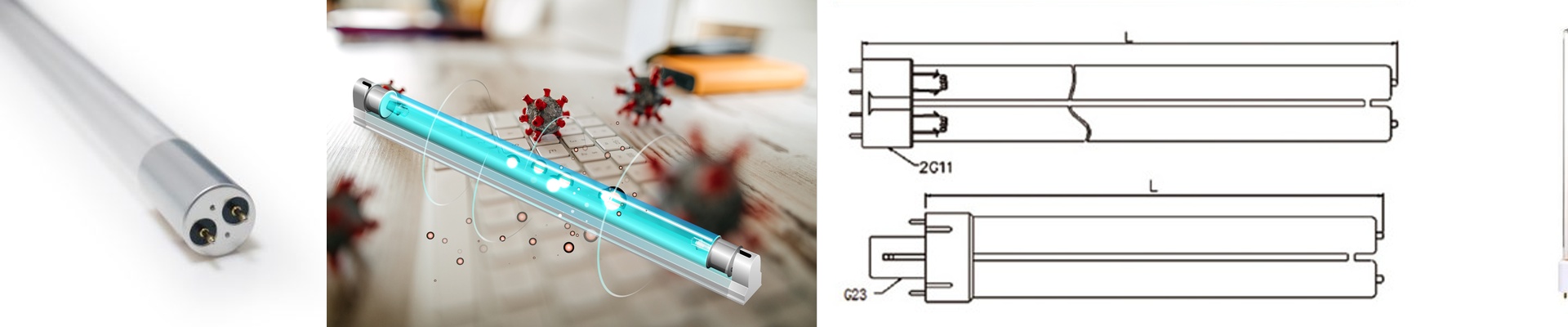
Mercury UV bulbs are the backbone of industrial drying. They get the job done. But let’s be honest: the waste is a nightmare. We’re tired of seeing bulbs tossed in the trash every few weeks, so we’ve shifted our focus. We’re obsessing over material purity and stability to keep these things running longer. Less waste. Less hassle.
The heat problem
To get those 254nm and 365nm wavelengths that make ink snap-dry on a conveyor, you need a very specific mix of pressure and temperature. We build these tubes to handle high wattage because that’s how you get that instant cure. But there’s a catch. High wattage means serious heat. If your cooling fans aren’t up to the task, the quartz glass starts to soften and the electrodes just give up. It’s a recipe for an early burnout.
How we actually build them
We use high-purity fused quartz. Why? Because we don’t want the glass itself soaking up the UV light we’re trying to push out. To help the planet (and your wallet), we’ve tweaked the electrode mix. We stripped out the impurities that usually cause those ugly burn marks at the ends of the tube. Here’s the thing: long-life bulbs aren’t about some “magic” coating. It’s all about managing heat. By refining the gas fill and the shape of the electrodes, we’ve pushed back the point where the light starts to fade. That means your crew spends less time swapping bulbs and more time actually producing.
Getting them to work for you
You don’t need to rip out your electrical system to use these. They’re simple drop-in replacements. Just wire them into your current ballasts and you’re good to go. But a quick heads-up: your power quality matters. If you hit these bulbs with huge voltage spikes every time you flip the switch, you’re going to kill them—no matter how high-quality the materials are. Keep the power stable. Your bulbs will thank you.