How UV Tech Actually Works in a Textile Mill
Most people think UV lamps are just for sanitizing hands or curing nails. But in a textile plant? They’re the real heavy lifters. We use them for everything from scrubbing raw fibers to making sure a complex print doesn’t smudge the moment it hits the roll.
The “Magic” Behind the Light
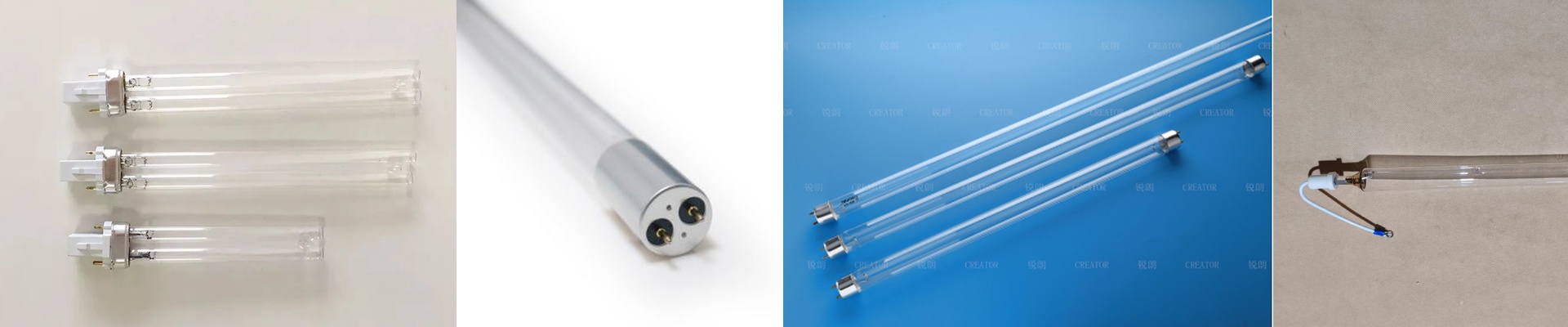
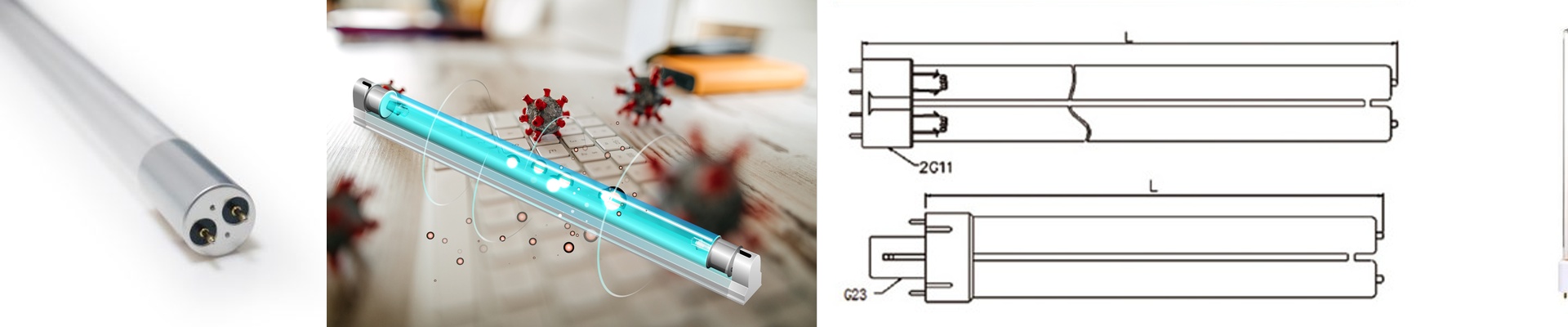
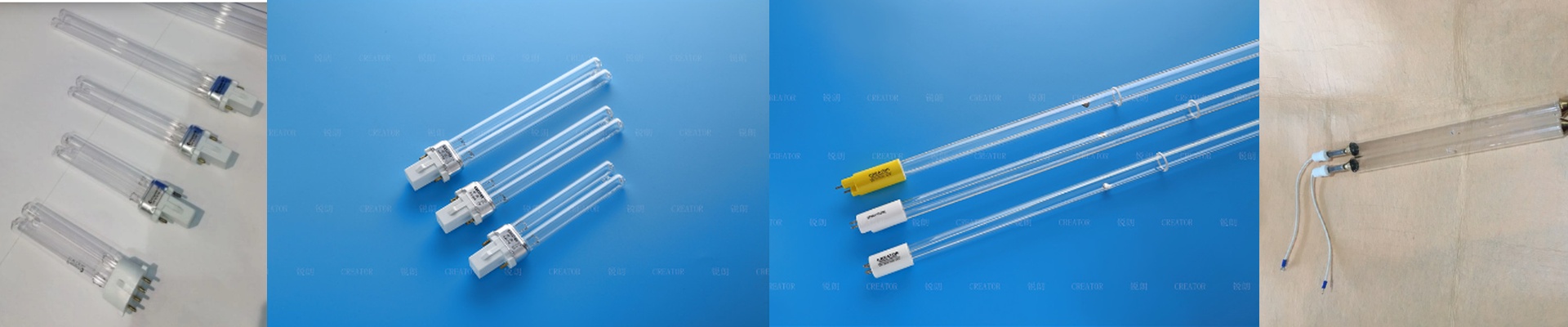
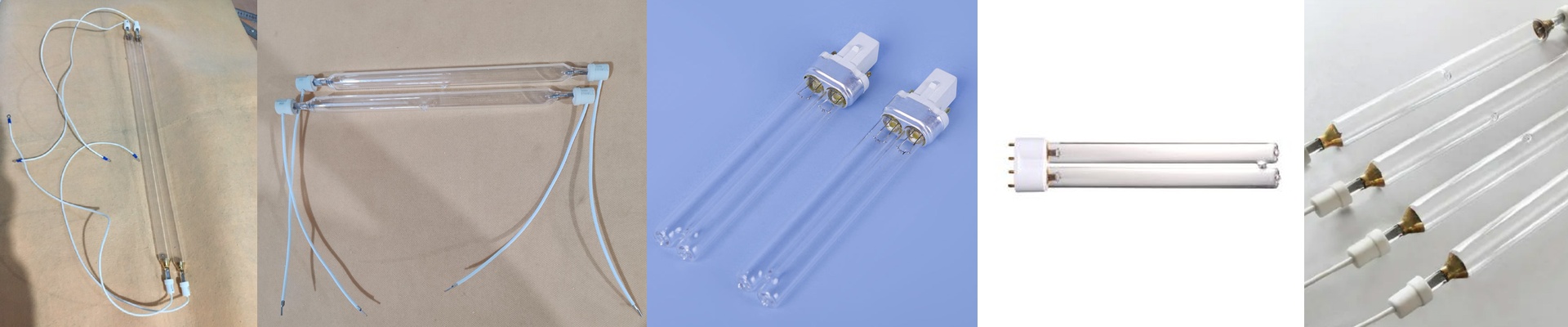
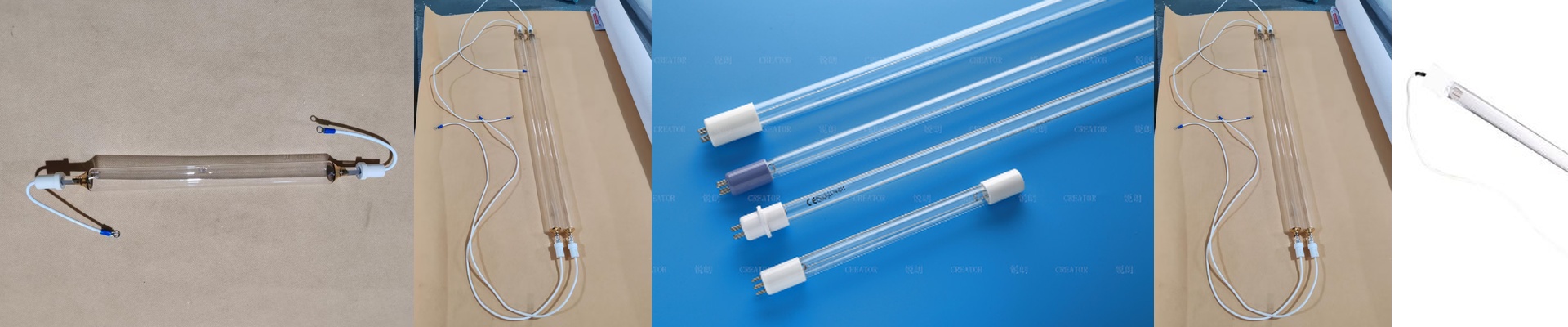
Here is how it actually works. We basically use two different types of light. First, there’s UV-C. This is the cleaning crew. It hits the raw fabric and shreds the DNA of any microbes hanging around, so you aren’t weaving contamination into your cloth. Then you’ve got UV-A and UV-B. This is where the real chemistry happens. When we use UV-curable inks or coatings, the light triggers a reaction that turns liquid into a solid—instantly. No more waiting around for massive, overheating drying ovens to do their job. It just happens.
The Trade-offs (Because Nothing is Perfect)
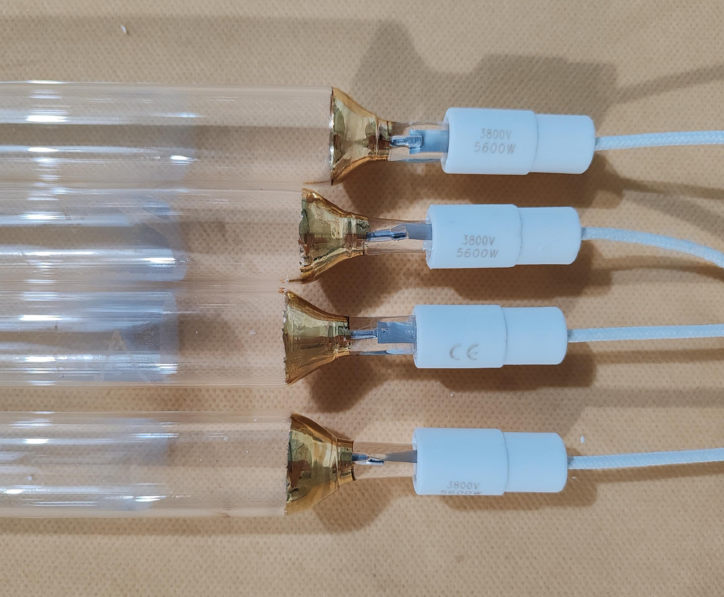
Setting these up isn’t just “plug and play.” You have to watch your power. High-wattage tubes are great because they let the line run fast. But they get hot. Like, really hot. If you pack too many lamps together without a solid cooling system, you’re going to scorch your fabric or fry your bulbs. We usually figure out the setup by looking at the conveyor speed and exactly how much “dose” the fabric needs to set properly.
Where You’ll Actually See Them
You’ll spot these lamps popping up at a few different stages: **The Start:**Cleaning those fibers so you’re working with a fresh substrate. **The Print:**This is huge for polyester or nylon. The UV light locks the digital ink in place. No bleeding, no blurring—just sharp lines. **The Finish:**This is how we add the “special” stuff, like water-repellent or flame-retardant coatings, without a messy drying process. If you’re still using an old-school thermal dryer, switching to UV saves a ton of floor space and slashes your electric bill. Just a heads-up: check your electrical panels first. These ballasts pull a lot of power. If your voltage dips, your cure rate drops. And trust me, there is nothing worse than a batch of “tacky” fabric that ruins everything that touches it.