Getting the UV Peak Right
Most people think a UV lamp is just a lightbulb that kills germs. But if you’ve ever worked with these, you know it’s more like tuning a radio. You have to hit a very specific frequency—253.7nm, to be exact. That’s the sweet spot. That’s where DNA actually absorbs the light and breaks down. If you’re off by just a few nanometers, you’re basically just wasting electricity and hoping for the best. We don’t do “hoping.”
The nitty-gritty of wavelength
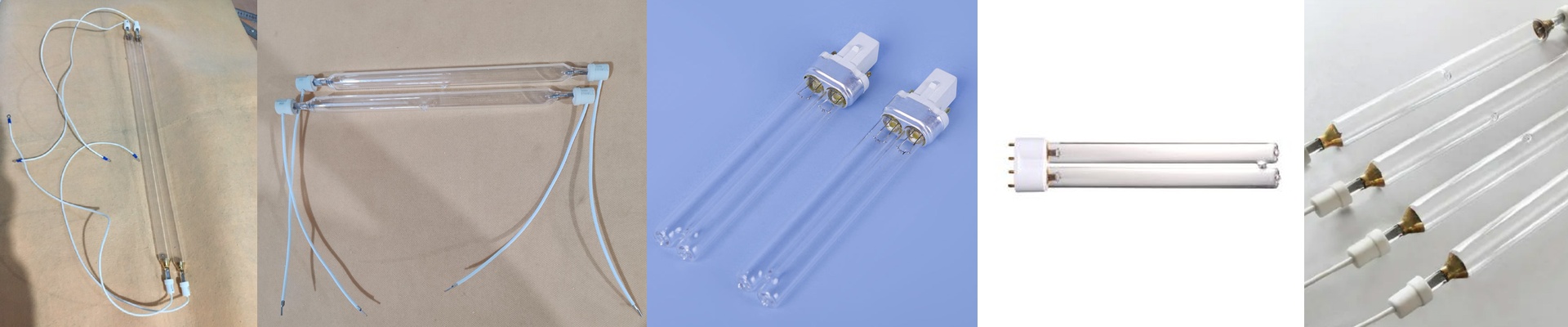
We spend a lot of time obsessing over the glass and the gas. We use high-transmittance synthetic quartz because standard glass is a sponge—it sucks up those 254nm photons before they even leave the tube. Then there’s the electronics. If your voltage jumps around, the plasma temperature shifts, and your wavelength drifts. It’s a chain reaction. That’s why we build our ballasts to keep the voltage locked in tight. Oh, and we picked specific electrode materials to stop “sputtering.” If you’ve ever seen a lamp go cloudy and burn out way too early, that’s why. Our tubes stay clear.
Heat is the enemy
Here’s the thing about power: it’s not about how many watts you throw at the problem. It’s about how many photons actually make it out of the tube versus how much power you’re pulling from the wall. But there’s a catch. High-intensity arrays gethot. Like, really hot. If the lamp overheats, the UV output actually starts to tank. It’s counterintuitive, but it’s true. You’ve got to get your cooling—fans or water jackets—exactly right, or you’re just paying to kill your own equipment.
Putting it to work
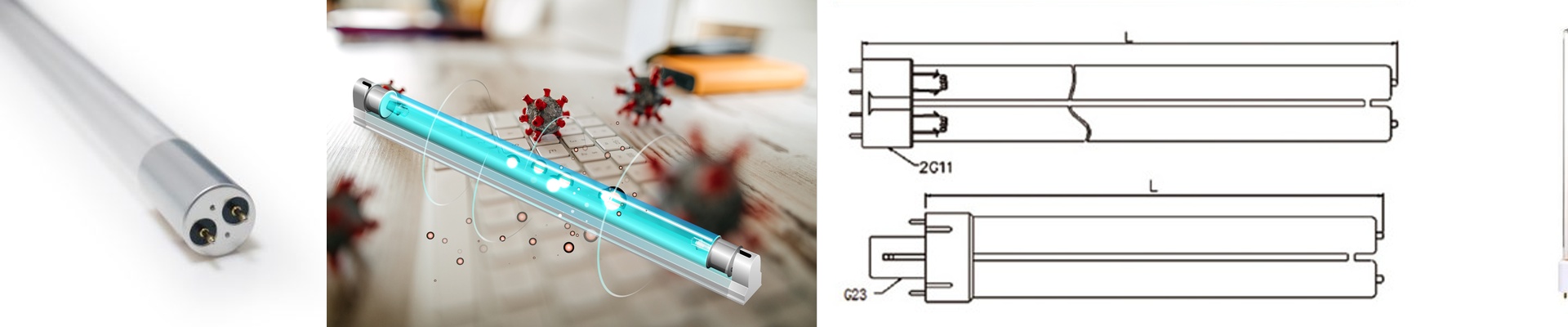
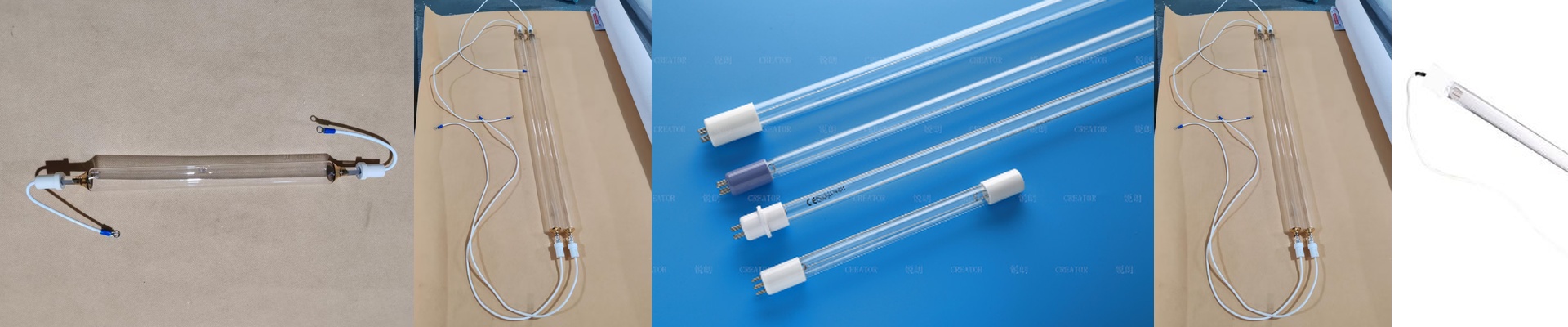
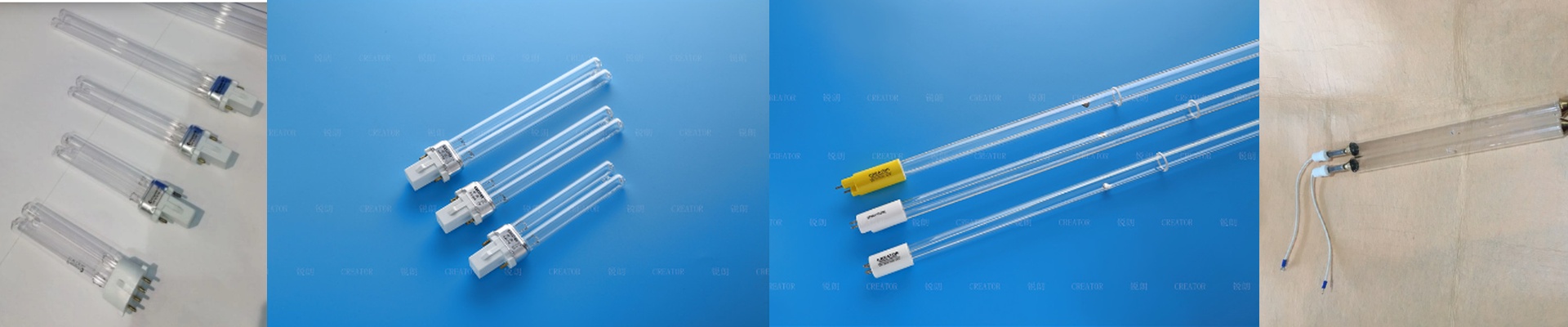
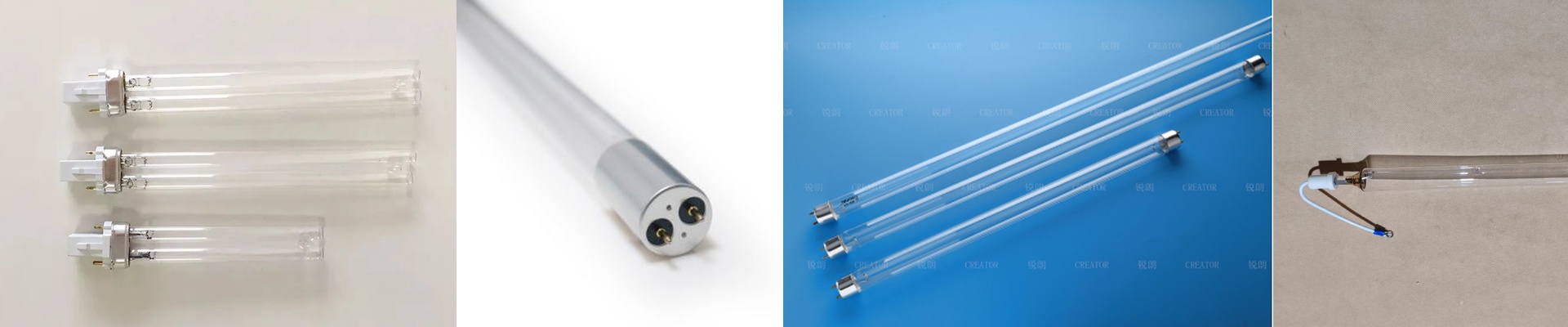
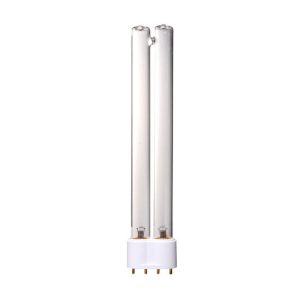
We designed these to just… fit. Whether you’re shoving them into air ducts or lining them up over a conveyor belt, they don’t take up much space. You wire them into our matched ballasts, flip the switch, and you get a steady, reliable dose across the whole area. No dead zones. No guessing if it’s actually working. Just a clean surface and peace of mind.