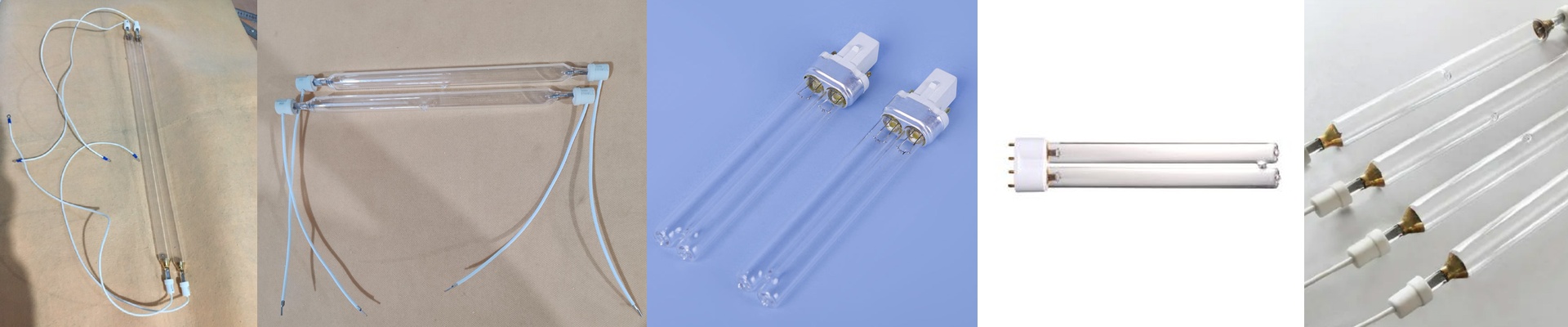
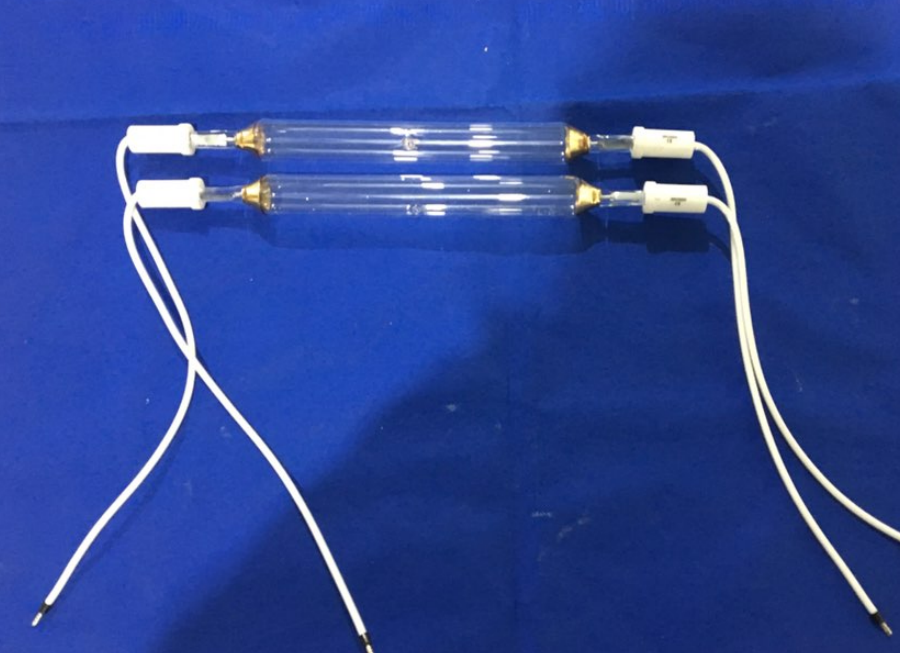
Moving Toward Zero-Pollution UV Production
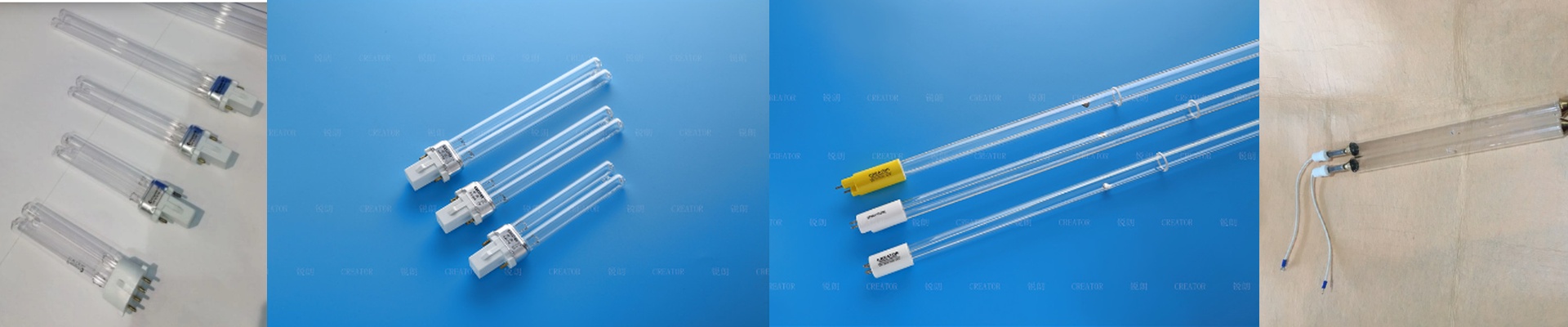
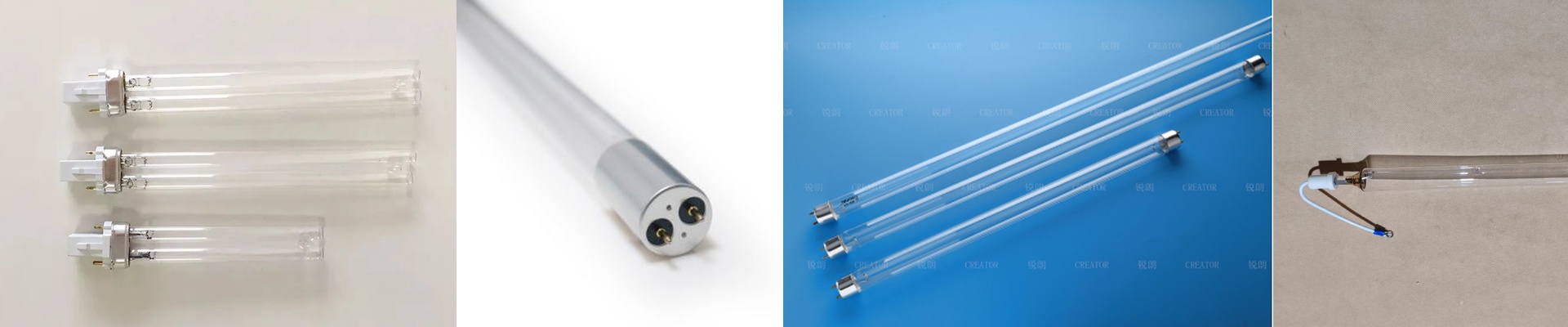
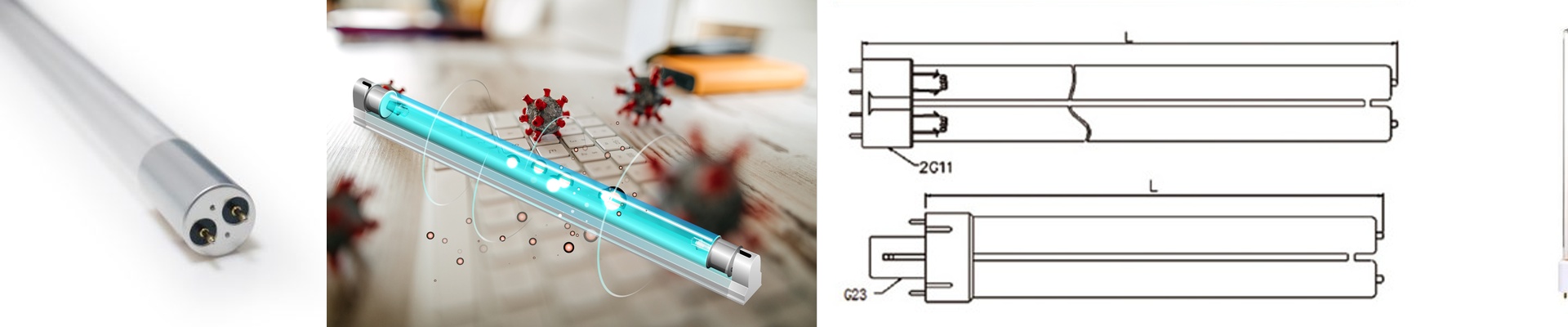
The way we handle UV lamps is changing. Fast. By 2026, the whole industry is basically ditching the old mercury-vapor systems for stuff that actually plays nice with the planet. We’re rethinking these lamps from the ground up—getting rid of the nasty waste and making them last way longer so you aren’t constantly shutting down your line for repairs.
Getting rid of the toxic stuff
Let’s be honest: those old lamps are a pain. Mercury is a nightmare to dispose of, and the paperwork alone is enough to give anyone a headache. We’ve swapped that out for mercury-free options and high-purity quartz glass. It’s not just about following the law, though. This new glass handles heat differently. By tweaking the glass itself, we get the exact wavelength we need without needing toxic gases. The best part? When a lamp finally hits its limit, you aren’t scrubbing hazardous waste off your shop floor. It’s just… easier.
Built to actually last
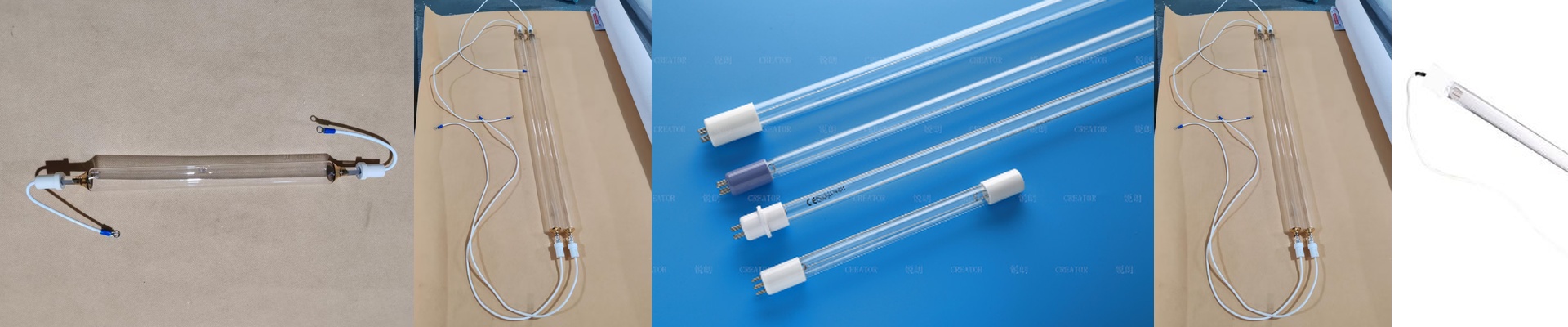
We’re tired of the “disposable” mindset. It’s wasteful and annoying. We’ve spent a lot of time on the electrodes and the gas-fill precision. Why? Because we want to stop that annoying dip in power that usually happens after a few hundred hours. Imagine a lamp that keeps 90% of its strength for 10,000 hours. That changes everything. You stop swapping bulbs every couple of months and just plan one big overhaul a year. It’s a huge weight off your shoulders.
The “catch” (and how to handle it)
Here is the thing: you can’t always just pluck out an old tube and pop in a new eco-friendly one. These new designs have different electrical needs. If you plug them into an old ballast without checking the specs, you might see some flickering—or worse, you could fry the lamp early. Before you roll these out across the whole factory, take a quick look at your power supply. A simple audit of your electrical footprint ensures the lamps actually hit that 10,000-hour mark instead of getting cooked by a driver that wasn’t built for them.