Stop Letting Electrical Noise Mess With Your UV Printing
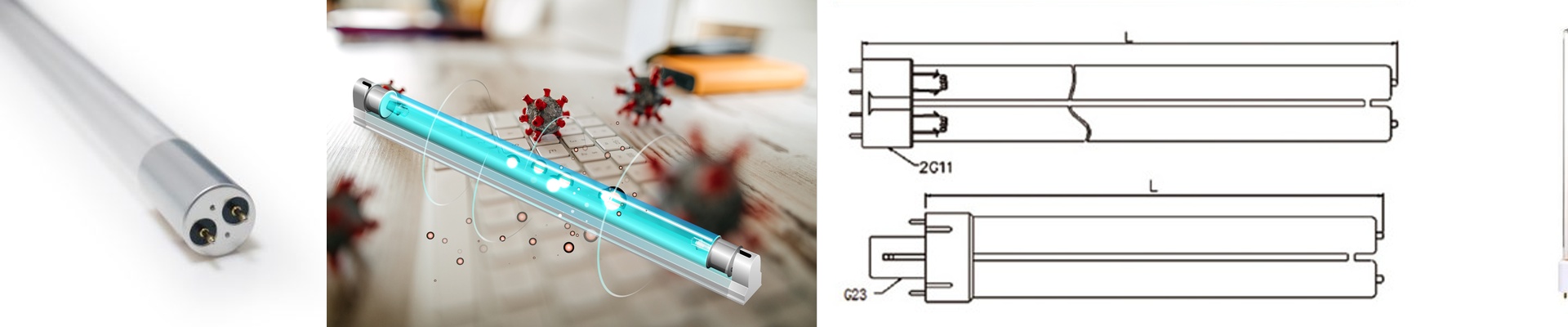
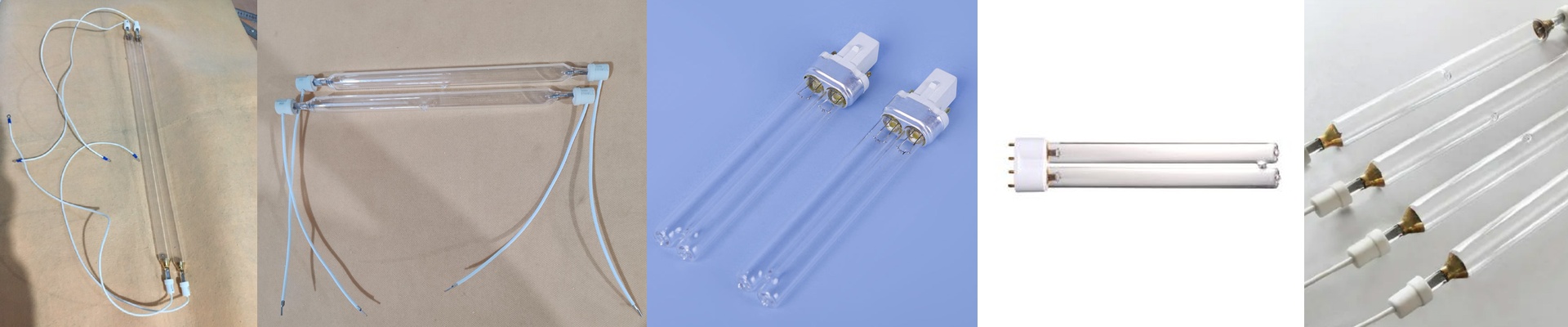
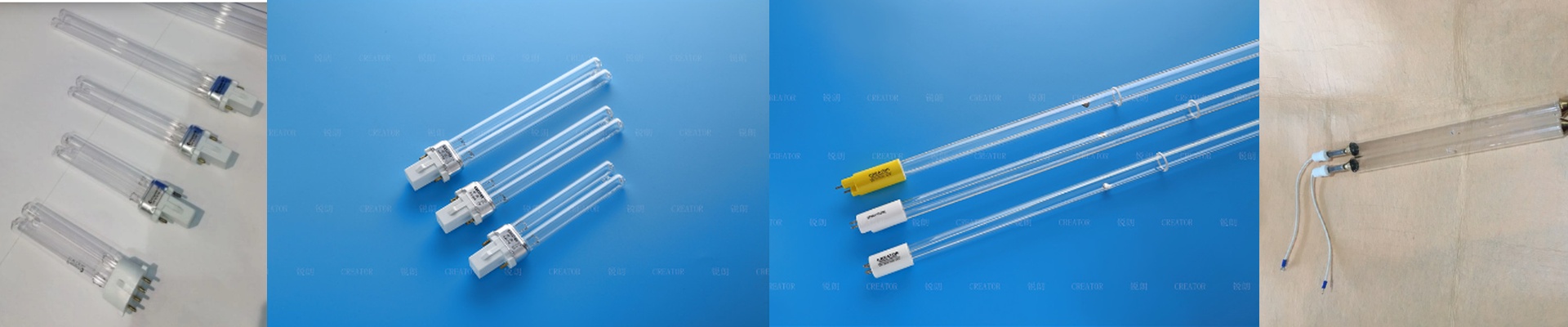
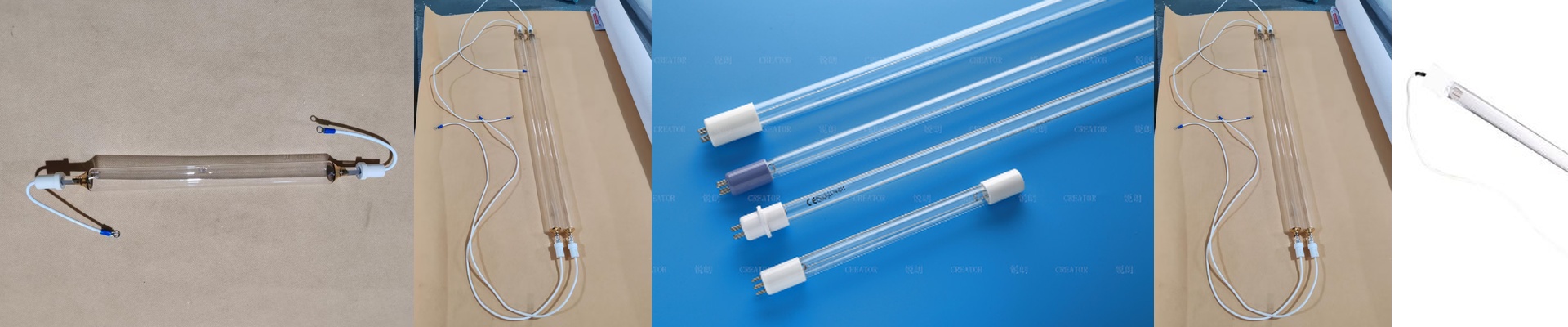
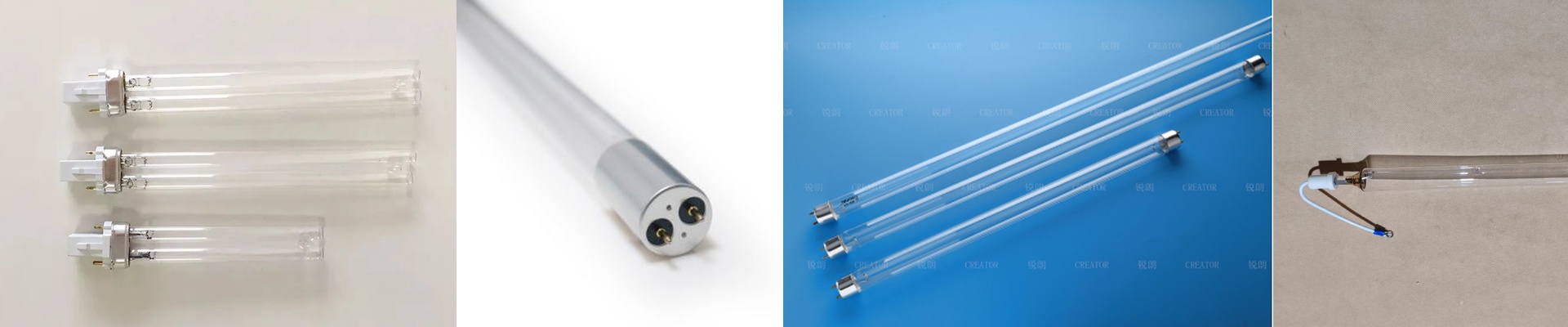
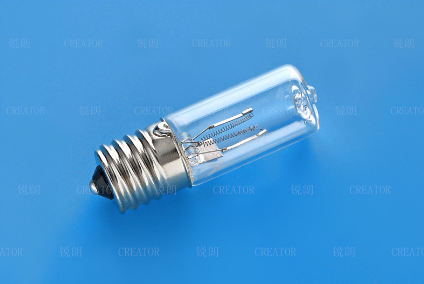
If you’ve got a few large-scale printing presses humming away in one shop, you know it’s a noisy place. I don’t just mean the sound of the machines—I mean the electrical noise. Those high-frequency ballasts and power supplies throw out a ton of electromagnetic interference (EMI). If your UV lamps aren’t up for the task, you’ll see it. Flickering. Erratic output. Or worse, lamps that just burn out way too early. It’s frustrating, and it kills your productivity. Keeping the arc steady We build our lamps to keep that arc stable, even when the machinery around them is dumping electrical noise into the line. A lot of it comes down to the guts of the lamp—the electrode geometry and the quartz we use. We stick with high-purity fused quartz because it stops ions from migrating. In plain English? It means your arc won’t wander or just quit the moment a neighboring press kicks into gear. Cheap lamps usually choke here. They can’t handle the voltage spikes. Our units are built to ride those waves without tripping your ballast. The reality of a high-volume shop When you’re running a serious operation, you aren’t just swapping out one bulb. You’re wiring up entire banks of them. That creates a massive electrical load. We spend a lot of time on the “impedance match” between the lamp and the power source. By tightening those tolerances, we cut down on the noise the lamp puts out and make it less twitchy when other machines start acting up. The honest trade-offs Here is the thing: better resistance to interference requires much tighter quality control on the electrodes. That means you’re going to pay more upfront than you would for some generic wholesale option. But a great lamp can only do so much. Your grounding has to be spot on. If your factory floor has ancient wiring or poor grounding, even the best lamp in the world is going to struggle. Plus, if you’re pushing 10kW or more across a single line, don’t forget your cooling. If your system can’t handle the heat, the thermal stress will undo all the hard work we put into the electrical stability.