Stop Treating Your UV Tubes Like Disposable Trash
Let’s be honest: nobody likes the cycle of buying a part, watching it wear out, and tossing it in the bin every few months. It’s a waste of money and a headache for the people on the floor. If we’re actually serious about “zero-pollution” production, we have to stop relying on consumables that are designed to fail. We need lamps that do the job without leaking toxins or needing a replacement every time you blink.
The Secret is in the Glass
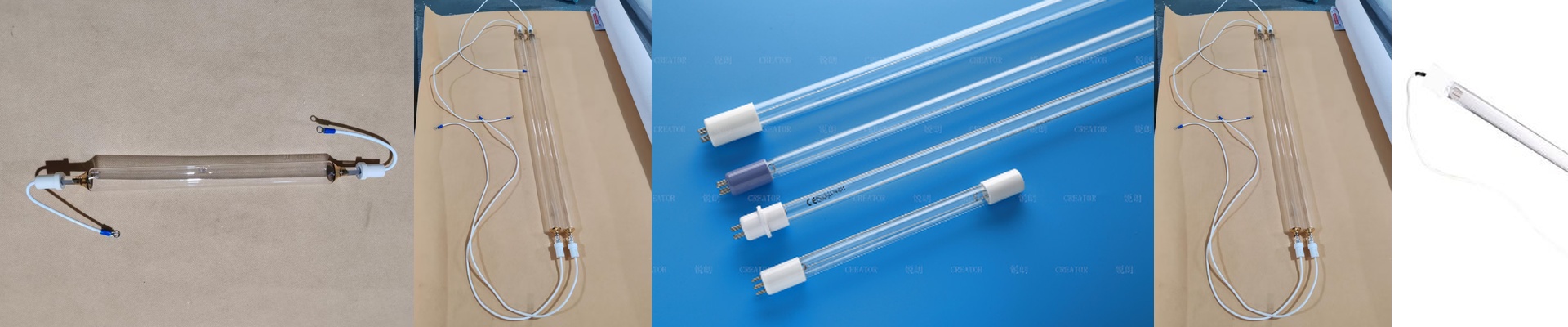
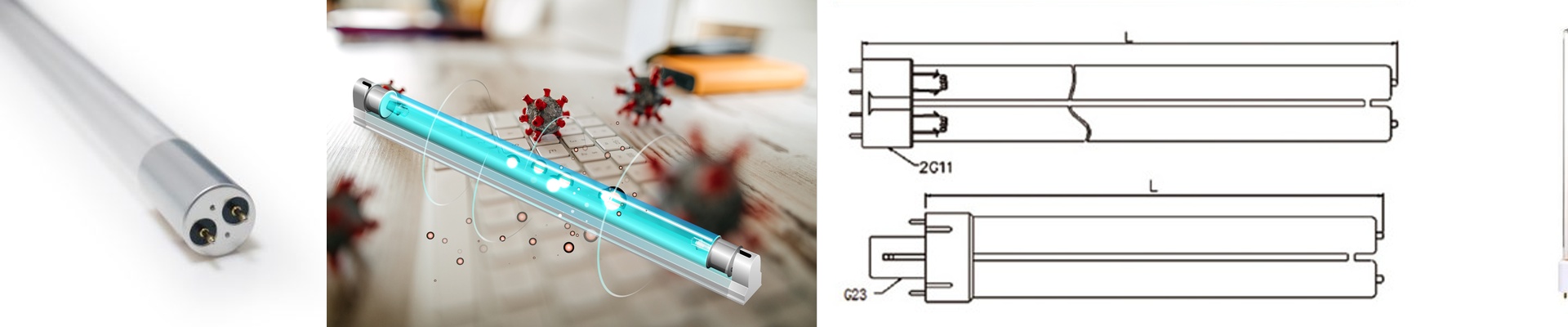
We switched to high-purity synthetic quartz. Why? Because standard glass is basically a wall for UV-C; it just blocks it. Synthetic quartz lets those rays slide right through. By tweaking the dopants in the quartz melt, we can basically “tune” the transmission. For you, that means more photons actually hitting your substrate and way less energy turning into useless heat. And here is the best part:no more mercury. We’ve stripped the mercury fillers out of our newest lines. That means if a tube breaks, you aren’t staring at a hazardous spill. You can stop worrying about complex hazmat protocols every single time a lamp needs changing. It just makes the whole shop safer.
Making Them Actually Last
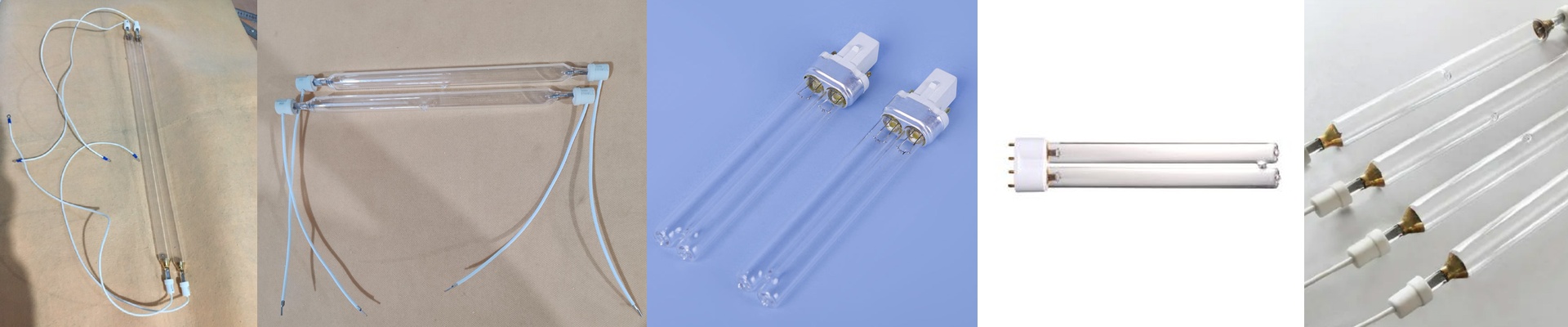
If you’ve ever had a lamp die early, it’s usually the electrodes. When they erode, the arc starts to wander, and your UV intensity just tanks. To fix this, we use thoriated tungsten and some specialized alloys. It keeps the electrodes stable. In our current builds, they hold onto about 90% of their original punch for a long time. But a quick heads-up:don’t over-drive your ballasts. It’s tempting to crank up the wattage to get a faster cure speed, but you’re just trading lifespan for speed. Find that sweet spot where your line moves fast, but your tubes aren’t screaming for mercy.
Fitting Them In
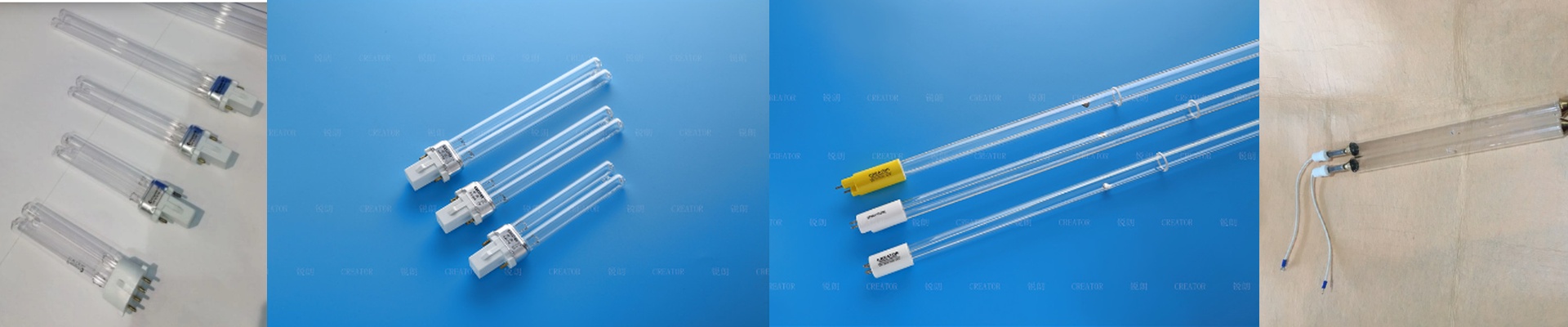
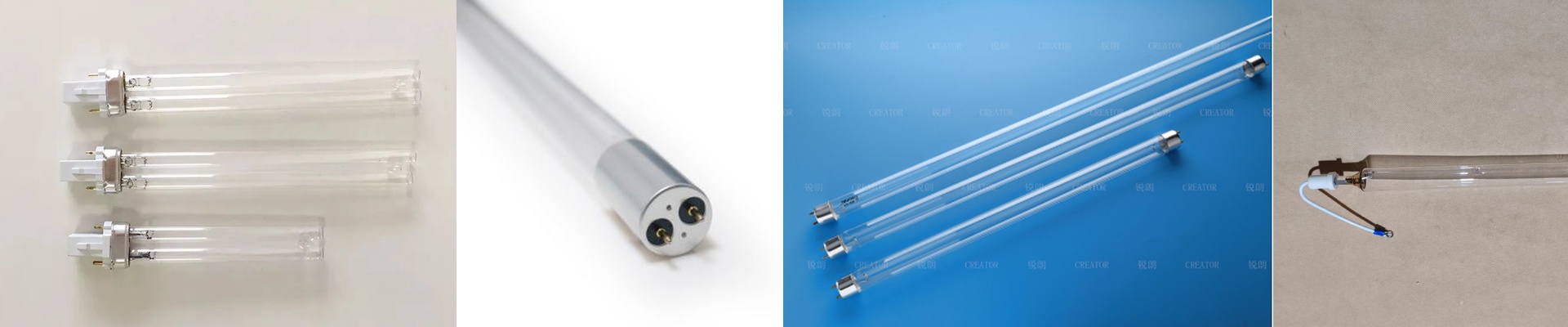
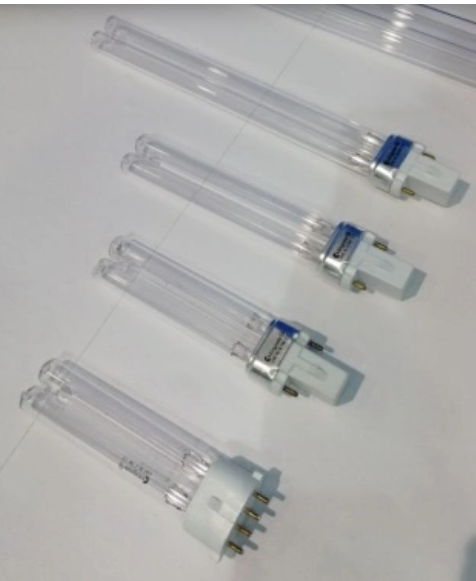
These aren’t some weird, proprietary shapes. They’re designed to be drop-in replacements for the UV arrays you already have. We use standardized end-caps to keep the electrical seal tight. This is huge, because a loose connection creates a hot spot, and a hot spot is the fastest way to crack your quartz. When you aren’t swapping lamps every few weeks, your total costs drop. Your waste bin stays empty. And your maintenance crew? They get to stop playing “musical chairs” with lightbulbs and actually spend their time making the production line run better.