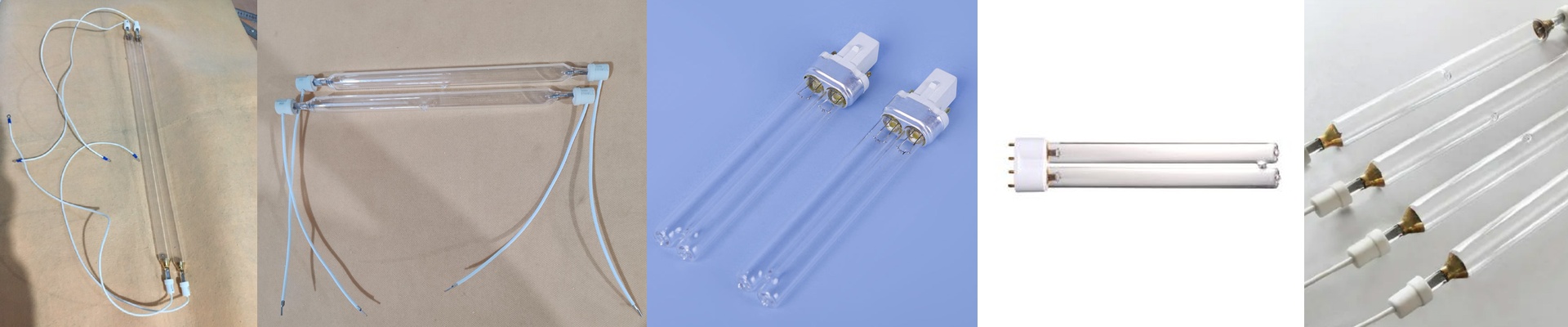
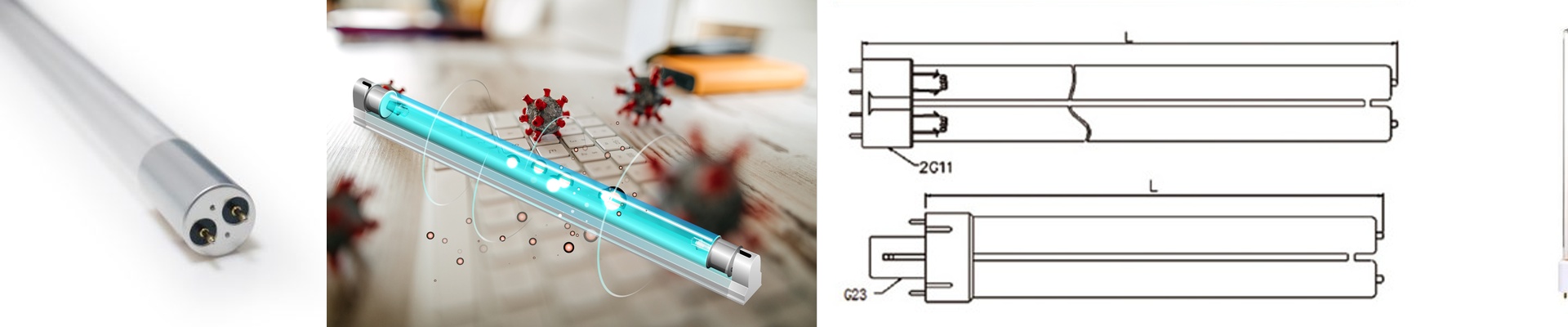
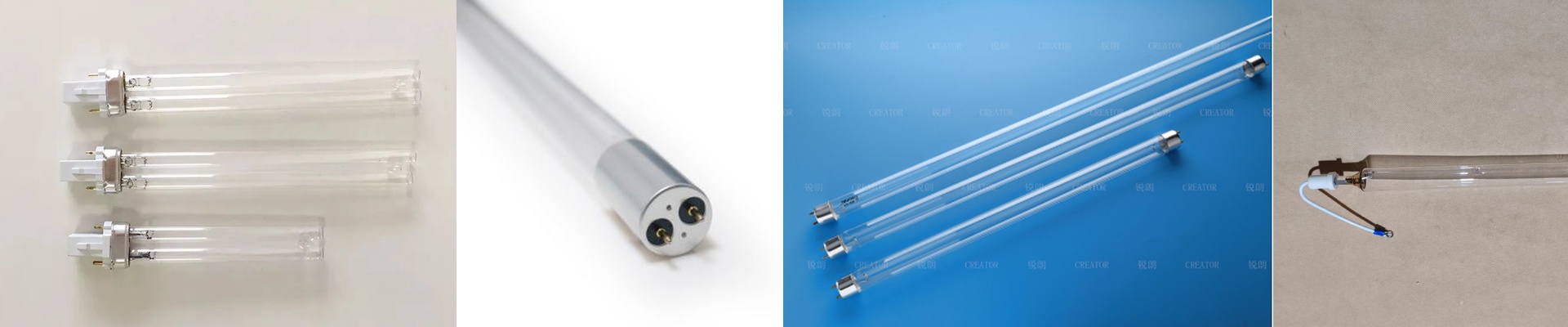
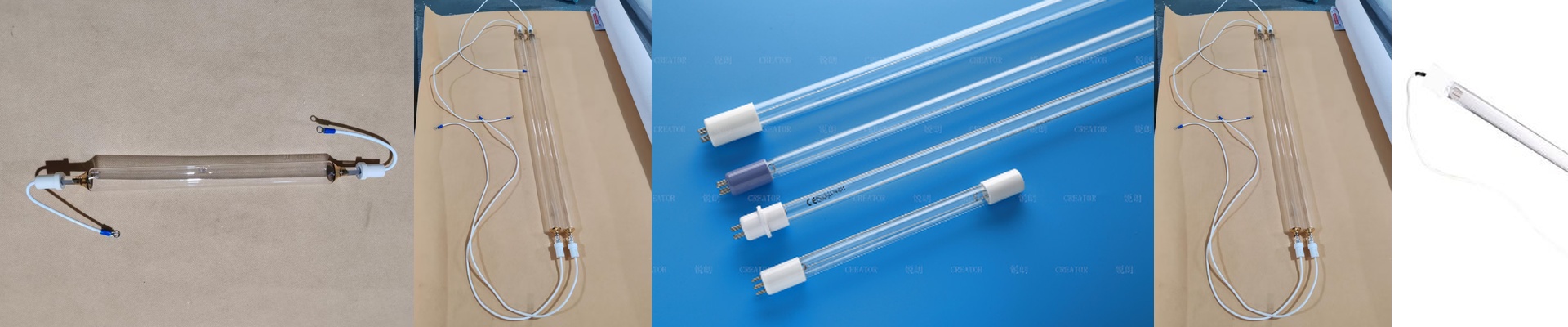
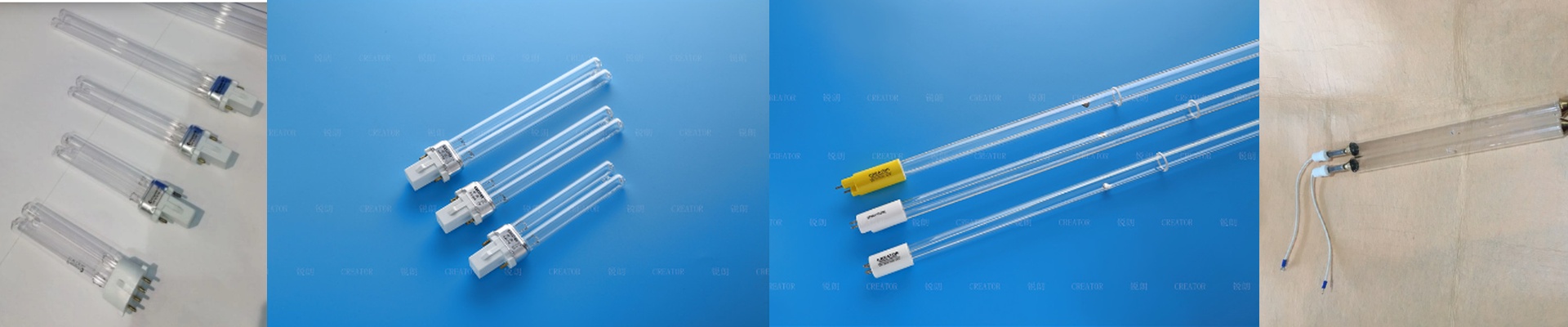
Let’s talk about 80W/cm Mercury UV Lamps
We build our standard mercury UV lamps to hit a power density of 80W/cm. Why that number? Because if you’re running high-speed curing lines, you don’t have time to wait around. You need those polymers to cross-link the second they hit the light. But here’s the catch: that kind of power creates a lot of heat. It’s a balancing act. You want the UV-C output to be aggressive, but not so hot that you start scorching your materials.
The grit behind the glow
Getting 80W/cm to actually work comes down to the gas mix and the quartz envelope. It’s a tightrope walk. If we make the quartz walls too thin, the internal pressure and heat will just pop the lamp. Burnout happens fast. But if we go too thick? You lose the UV transmission. The photons can’t get through. We spend a lot of time dialing in that thickness so you get the lifespan you expect without losing any of the punch.
Why CE certification actually matters
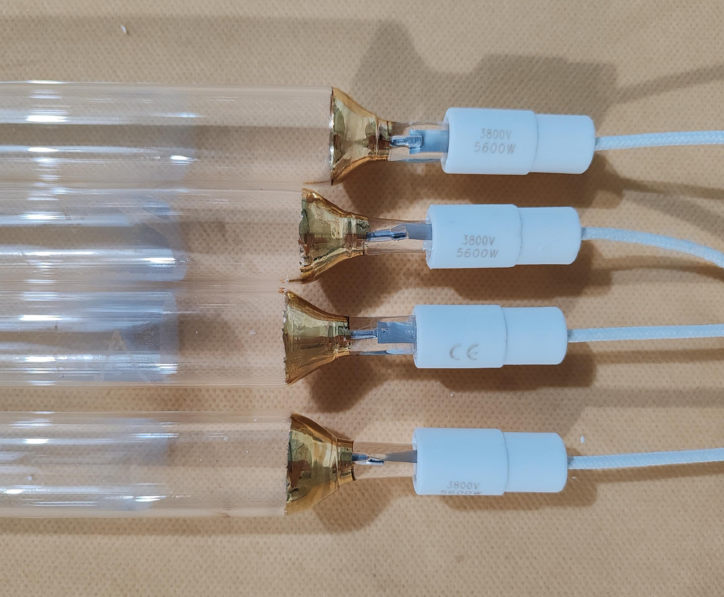
Some people see a CE label and think it’s just a hoop to jump through. It’s not. In our world, it’s the baseline. Think about it. You’re wiring these lamps into global production lines with high-voltage ballasts. If the insulators are weak or the electrode seals aren’t stable, you’re looking at electrical leakage or a nasty arc-over. Plus, there’s the noise. CE standards force us to test for electromagnetic compatibility. That’s just a fancy way of saying the lamp won’t send electrical “noise” back into your PLC or sensor networks. It keeps your whole system from glitching out. It’s about peace of mind, not a piece of paper.
The trade-off
You get the speed, but you have to pay for it with cooling. Running at 80W/cm means your airflow has to be spot on. If the air gets restricted, the quartz envelope overheats. Once that happens, your spectral output shifts and the lamp dies way sooner than it should. It’s a powerful tool. Just make sure you give it room to breathe.