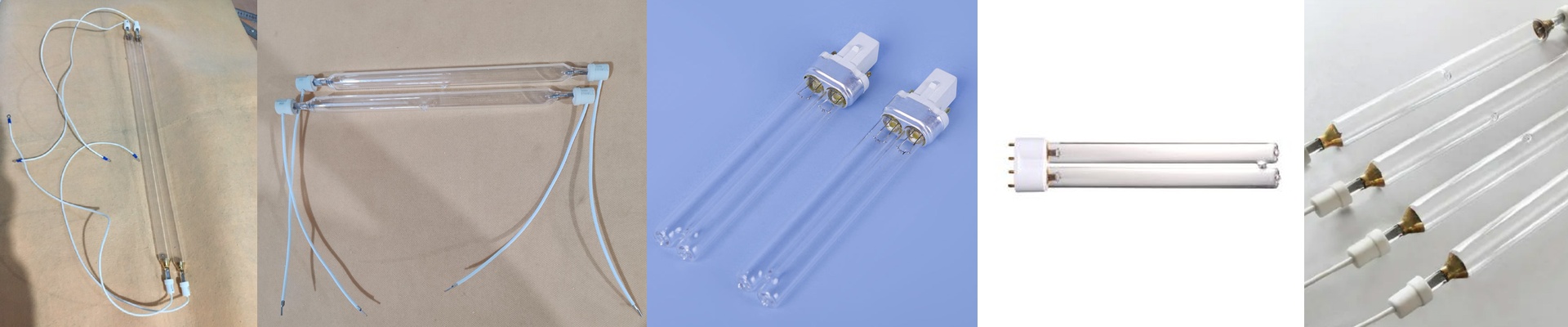
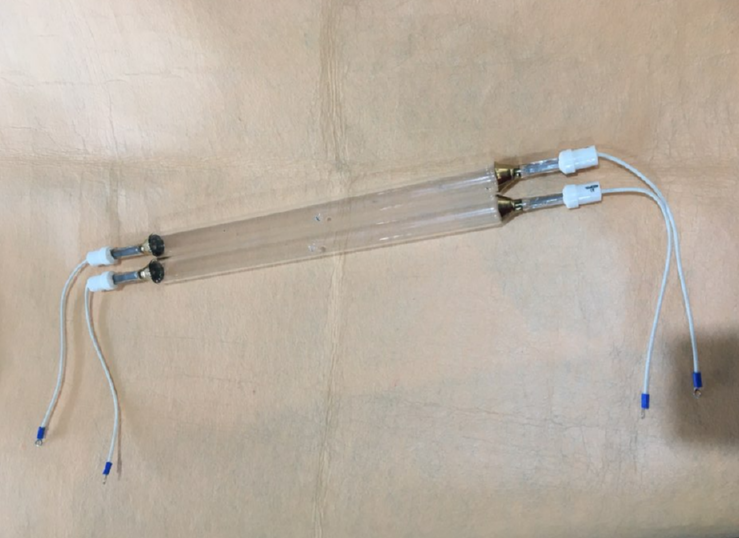
Let’s Talk About Getting Your UV Lamps Right
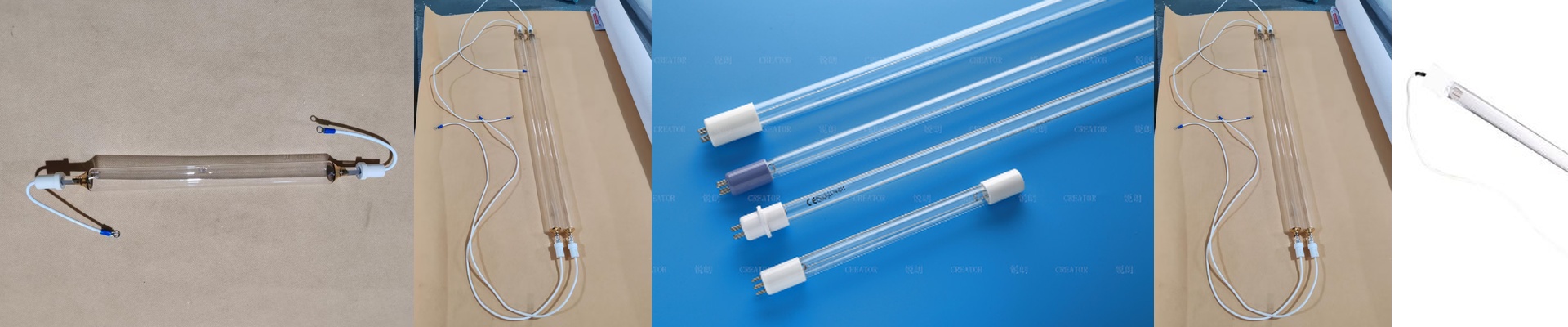
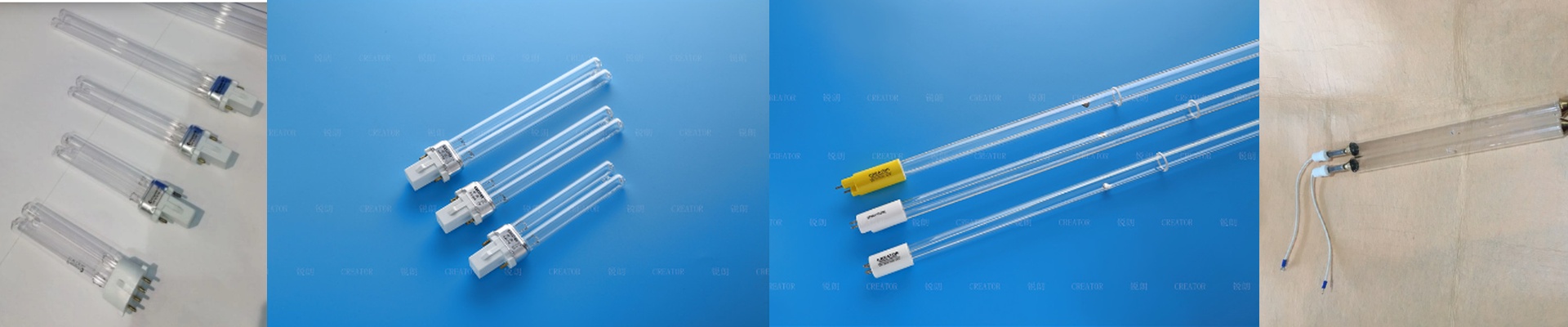
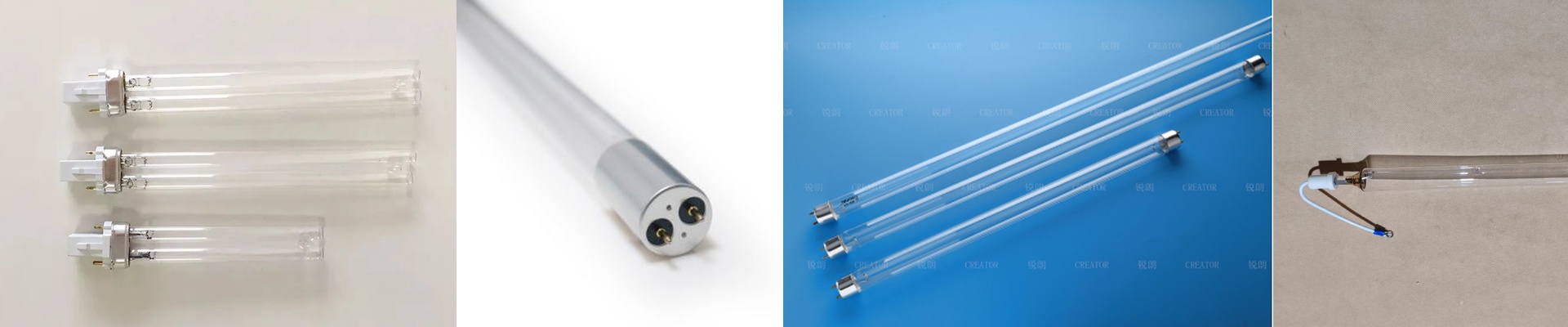
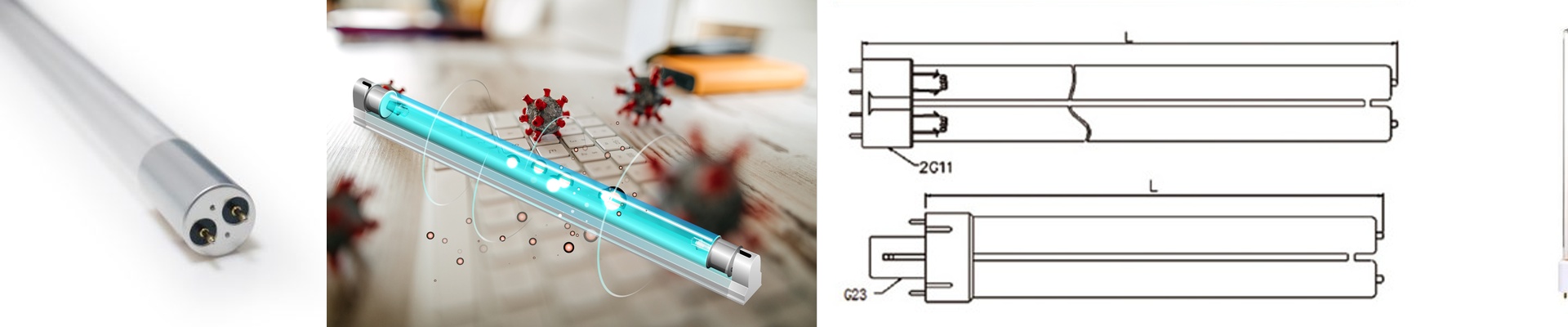
Look, germicidal UV bulbs aren’t just another line item on your shopping list. If you’re running high-volume printing or curing lines, these things are the heartbeat of your operation. They handle the heavy lifting for sterilization and ink fixation. When you stock up in bulk, you’re not just buying glass and gas—you’re buying peace of mind so your line doesn’t grind to a halt. The Sweet Spot of Power Most of these bulbs hit that 253.7 nm mark in the UVC spectrum. That’s the magic number that actually breaks down microorganism DNA. But here’s the thing: you have to match your wattage and voltage to your ballast. If you push too much current through a low-wattage tube, you’ll fry the electrodes. On the flip side, if you under-power them, you get “cold spots.” That’s where the sterilization fails, and that’s a headache you don’t want. Quartz and the Heat Struggle We use fused quartz for these. Why? Because regular glass blocks UVC. Quartz lets it fly right through. But these bulbs take a beating. Turning them on and off constantly stresses the seal where the glass meets the metal. It’s a lot of tension. To make them last, try keeping the lamps warm or switching to electronic ballasts to take the edge off that initial strike voltage. Fitting Them Into Your Line In a printing setup, these bulbs usually pull double duty—curing the substrate and cleaning the pass-through at the same time. Just double-check your footprint. If a bulb is too long for the housing, it’ll bow. That creates a focal point that can actually overheat your conveyor belt. And if you’re just swapping in replacements, make sure the pins match your sockets perfectly. You don’t want to deal with arcing. The Big Trade-off: Speed vs. Life Here is the honest truth: if you want more intensity, you’ll get a shorter lifespan. You can drive a bulb harder to speed up your line, but you’ll notice the UVC output start to dip faster after about 8,000 hours. We’ll give you all the technical data so you can decide where you want to land—faster throughput or fewer replacement cycles. It’s all about finding the balance that works for your specific floor.