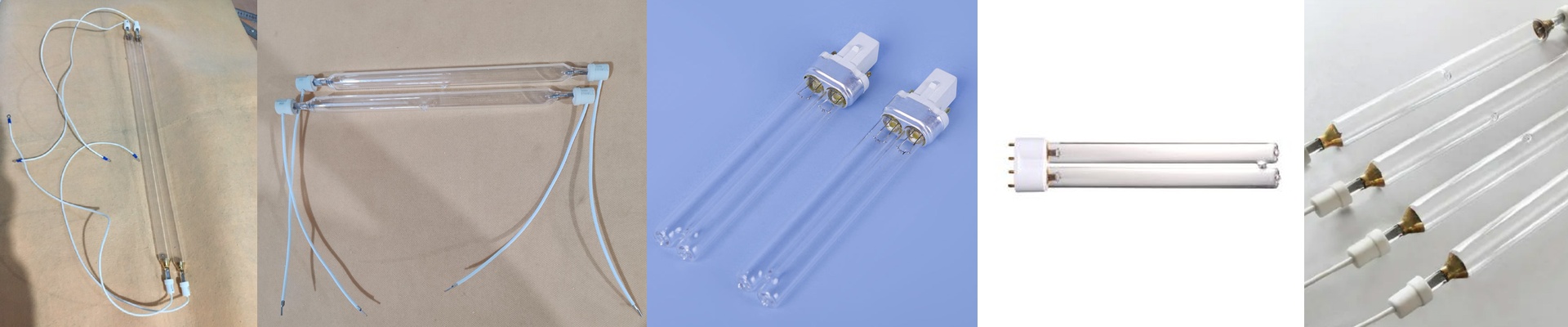
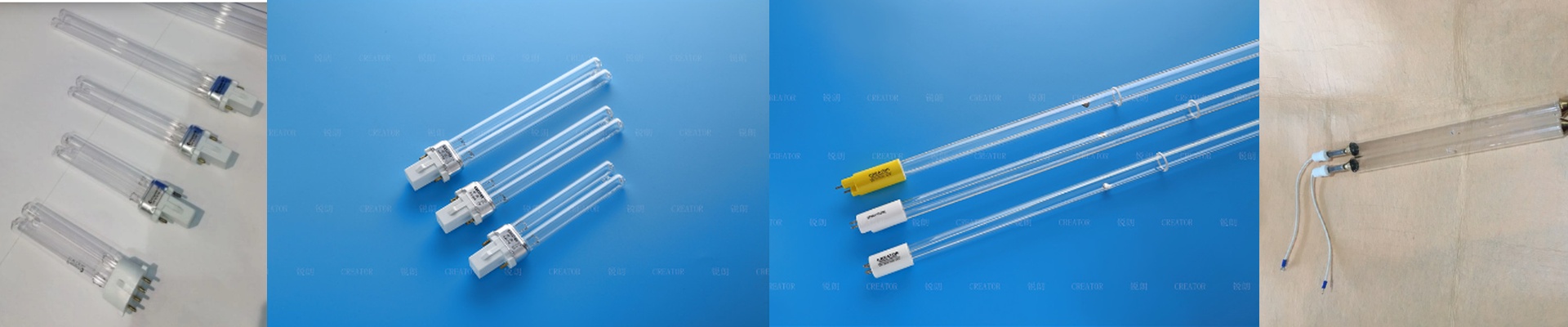
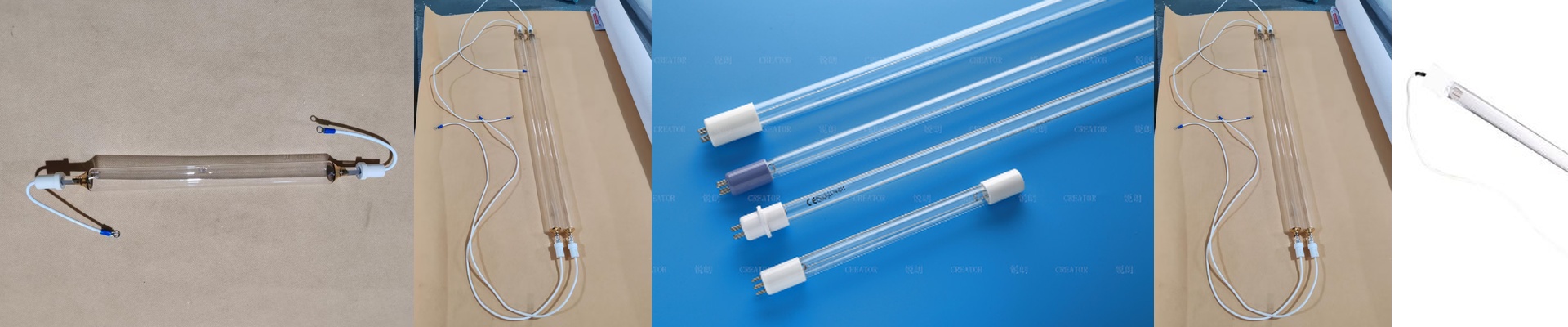
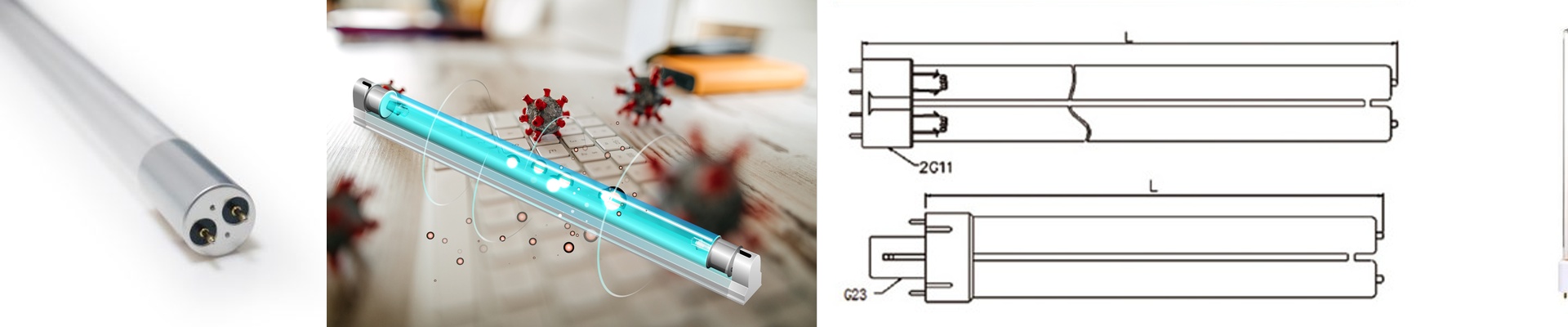
Let’s Talk About High-Pressure Mercury UV Lamps in Textiles
Think of UV curing as the invisible glue of the textile world. From the moment a piece of raw fabric hits the line to the second it becomes a finished garment, these lamps are what actually lock everything in place. Whether it’s inks, coatings, or adhesives, high-pressure mercury lamps provide that specific punch of short-wave radiation needed to make everything set instantly.
Why Mercury?
Here’s the thing: we use high-pressure mercury vapor because it hits those sweet spots—specifically the 254nm and 365nm peaks. This lets the light actually sink into the coatings rather than just bouncing off the surface. And while people talk a lot about LEDs these days, there’s a reason we still love these lamps. They gethot. That infrared heat is actually a secret weapon. It thins out the resins, letting them flow and level out perfectly right before they snap-cure. You just don’t get that same finish with a cold light source.
The Nitty-Gritty of the Hardware
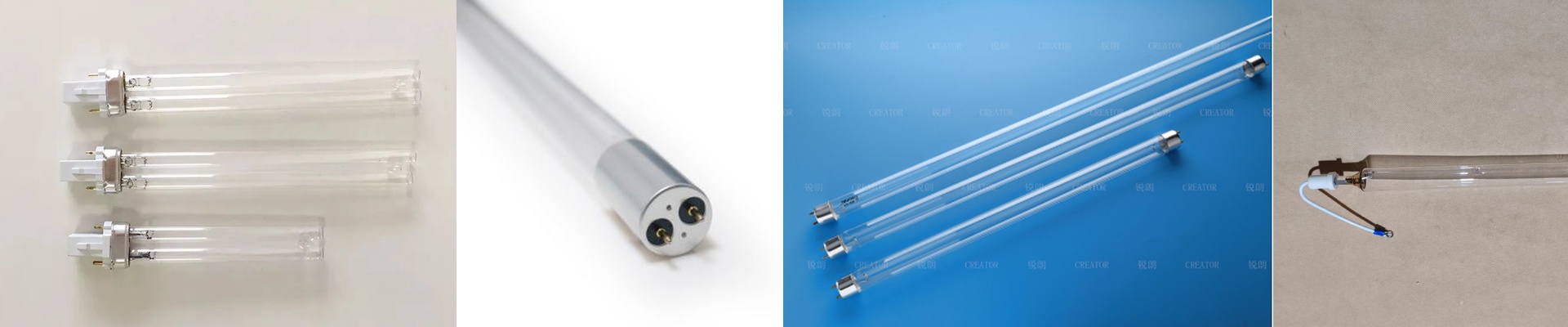
You can’t just use any glass here. We use high-purity fused quartz because the thermal stress is brutal. If you use cheap stuff, the glass clouds over—something called “solarization”—and suddenly your UV output drops off a cliff. The electrodes are built for a quick start and steady power. But if you’re running a conveyor system, you have to be careful. The lamp length needs to be a perfect match for your tunnel. If it’s off by even a bit, you’ll end up with “dead zones” where the ink stays tacky. Nobody wants to pull a roll of fabric off the line only to find it’s still sticky.
Making it Work on the Shop Floor
Putting these into a production line isn’t a “plug and play” situation. You need a serious cooling plan. Since these lamps throw off a ton of heat, your exhaust has to be aggressive. If your fans aren’t pulling that hot air away fast enough, you’re going to scorch your synthetic fibers or watch your fabric shrink right in front of you. It’s a nightmare to fix once it happens. One last tip: keep a close eye on your lamp hours. Mercury lamps don’t just die overnight; they fade. Their spectral output shifts over time. I usually tell people to swap them out once they hit about 80% of their rated life. It’s the easiest way to keep your cure speeds consistent and keep the whole line moving without a hitch.