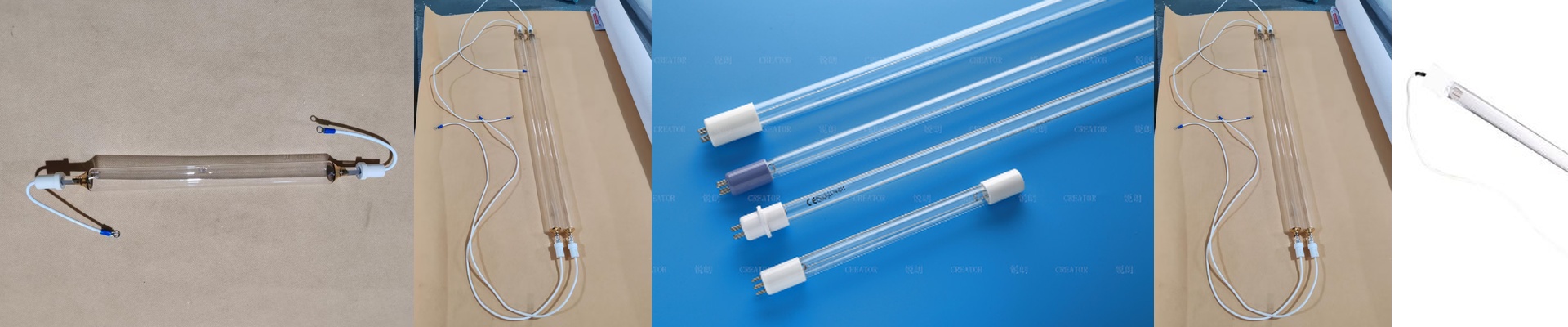

Stop Flying Blind with Your UV Lamps
High-pressure mercury lamps have been the backbone of industrial curing and sterilization for ages. They just work. But for a long time, we’ve been using them “blind.” You turn them on, you hope they’re hitting the right intensity, and you pray they don’t burn out in the middle of a big run. That’s changing. By 2026, the real goal isn’t just about how much UV-C you’re pumping out—it’s about actually knowing how much power you’re using in real-time.
The reality of the hardware
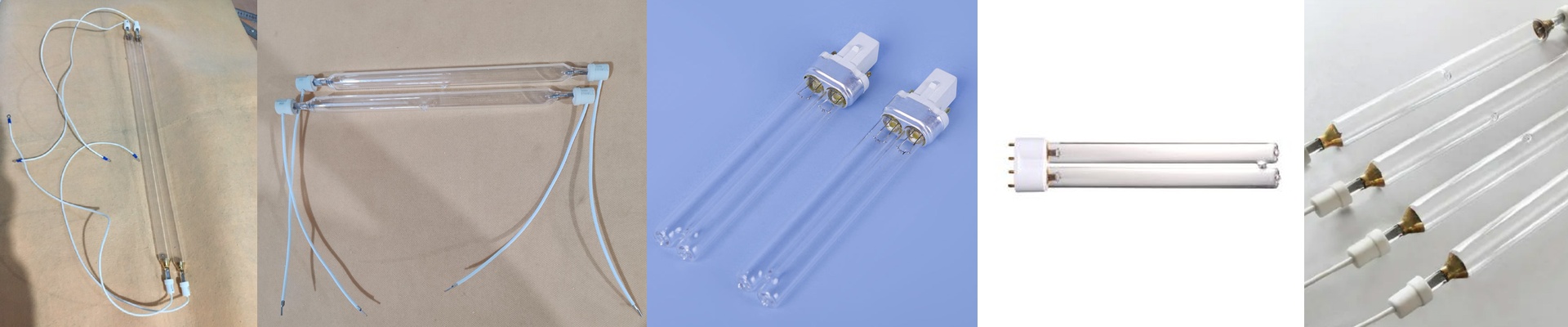
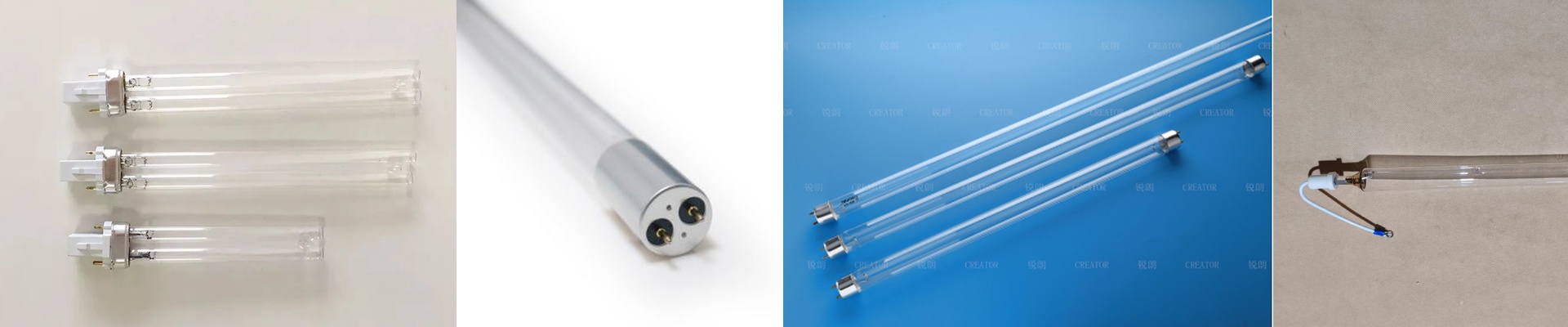
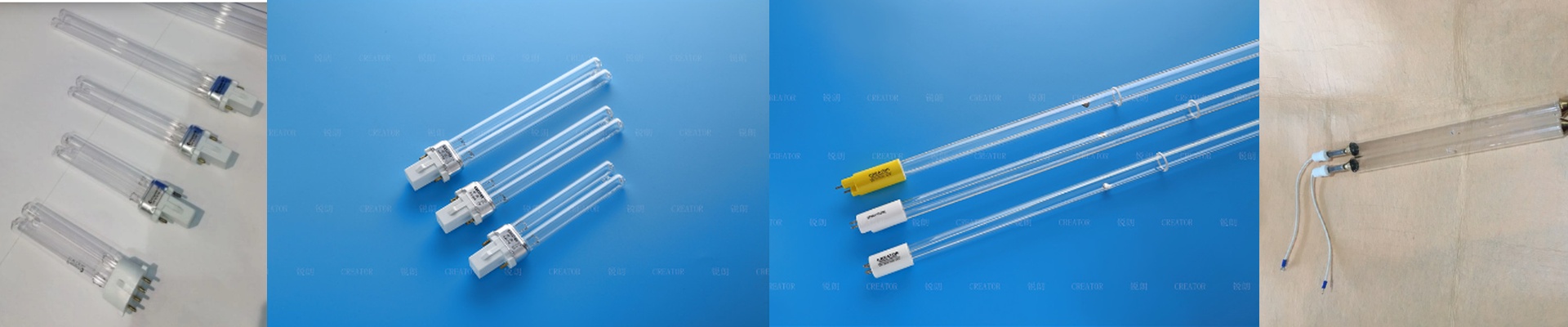
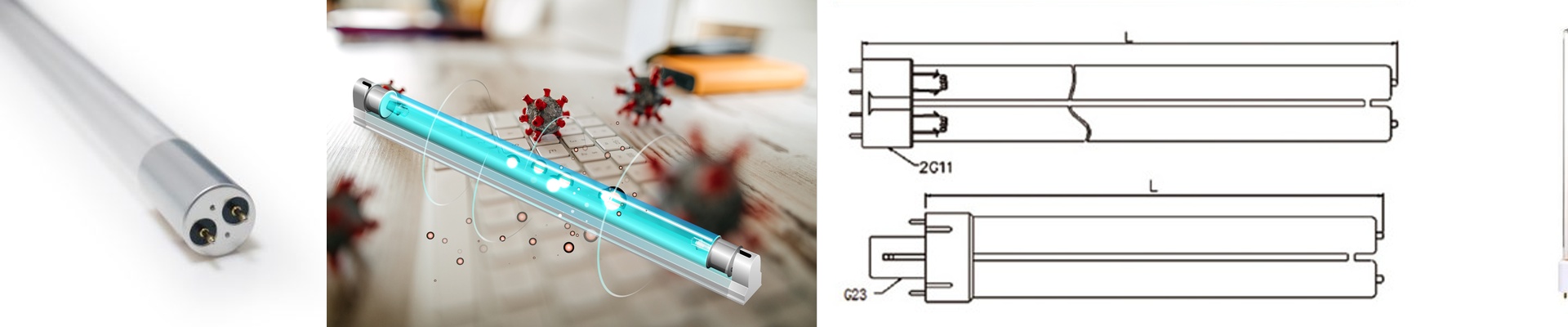
Here is how it works: these lamps create a high-pressure plasma arc. It’s intense. But that intensity makes them picky. If your voltage dips even a little, your UV output tanks. To fix this, we’ve started putting sensors right into the power supply. Now, you can keep an eye on the wattage and voltage stability. It’s a lifesaver because you can actually see a lamp starting to fade before your production line grinds to a halt. No more guessing.
Making the lamps “talk”
The new smart lamps use things like Modbus or MQTT to send data straight to a central PLC. Basically, you can track the exact kilowatt-hours each lamp is eating. This changes everything for maintenance. Instead of swapping out lamps because a calendar tells you it’s “time,” you swap them based on actual arc-hour data and how the energy is decaying. It’s just common sense.
The tricky parts
Of course, it’s not all sunshine. Adding all this monitoring gear means your control boxes get a bit bulkier. And then there’s the noise. High-voltage starters create a lot of electromagnetic interference (EMI). If you aren’t careful, that noise leaks into your low-voltage data signals and triggers a bunch of fake alarms in your software. The fix? Use shielded cabling. Don’t skip this part, or you’ll spend your whole day chasing ghosts.
Why this actually matters
Whether you’re doing PET blowing or disinfecting a massive facility, these smart lamps stop you from throwing money away. You can hook them up to a dashboard and just kill the power to zones you aren’t using. It turns a “dumb” heating element into a useful piece of data. It’s simpler, cleaner, and a lot cheaper to run.