Getting the Most Out of Your 120W/cm Mercury UV Lamp
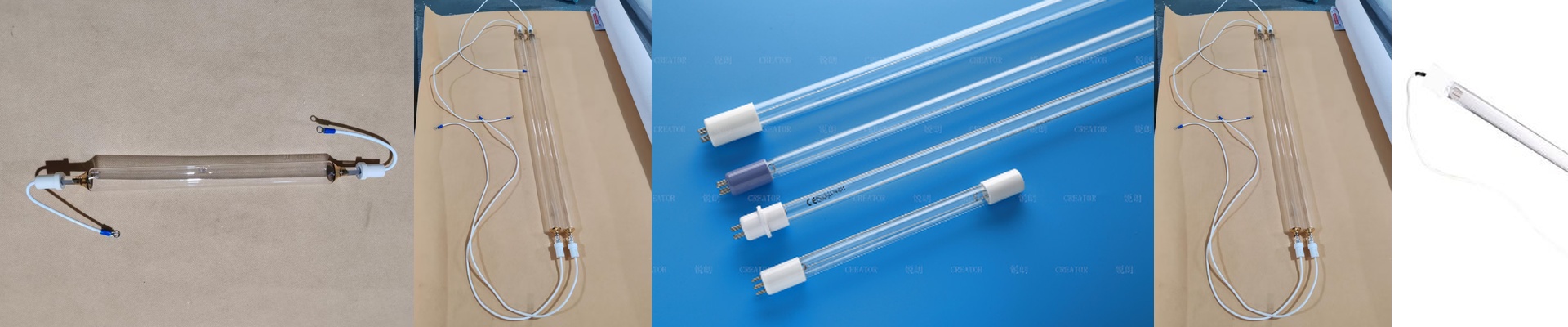
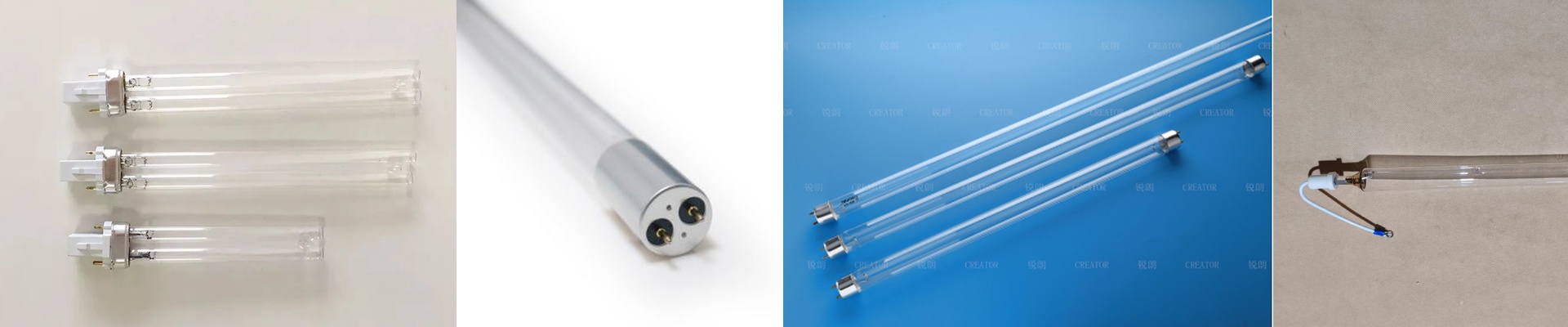
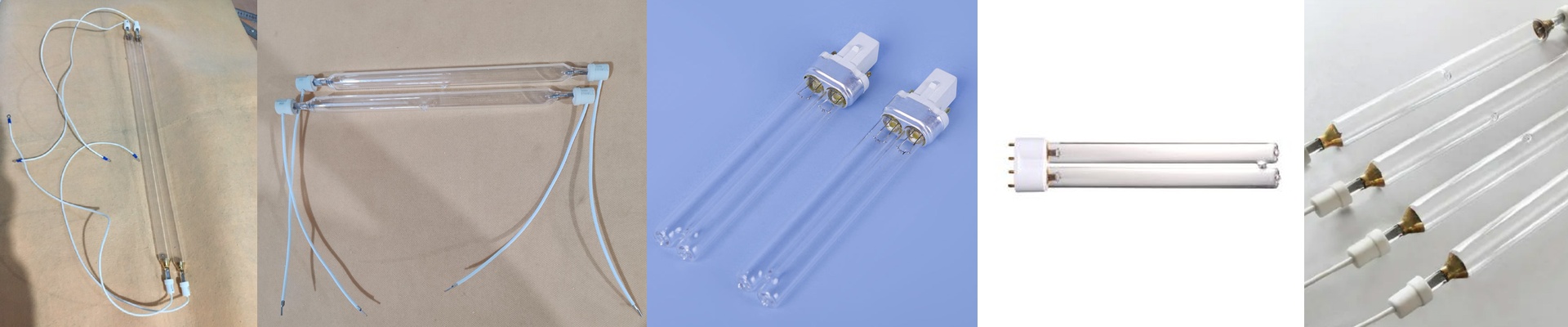
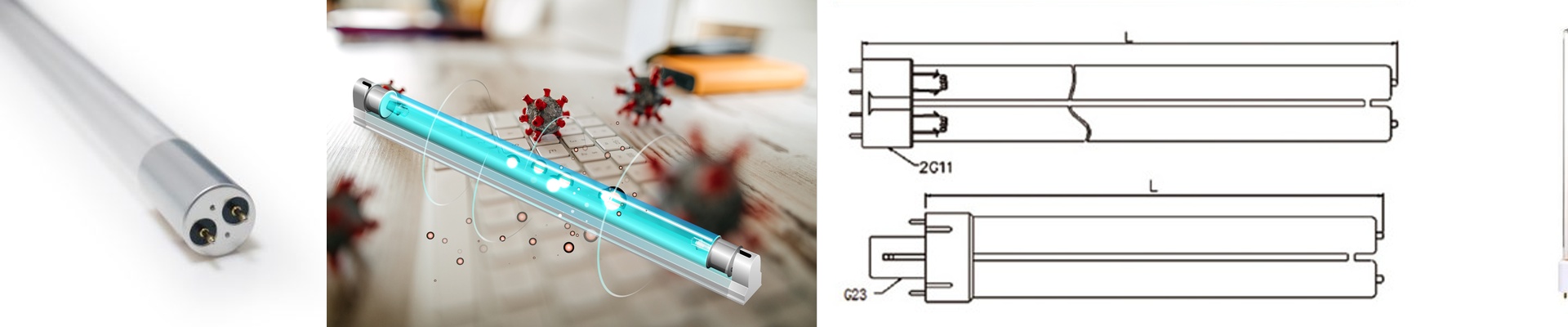
We built our 120W/cm mercury UV modules for those high-speed lines where you’re pushing the limits. You know the ones—where the ink is laid on thick and the belt is moving fast. At this power level, it’s about more than just light. It’s about managing a ton of heat to make sure that ink sets instantly. Why the power matters 120W/cm is a lot of energy in a very small space. We did this on purpose. It means the UV rays can actually punch through heavy ink or opaque coatings to hit the material underneath. We use high-purity mercury vapor to keep the light steady. That specific wavelength is what does the heavy lifting to break the chemical bonds in your ink. If you try to skimp on the wattage, you’ll run into that nightmare scenario: “under-curing.” That’s when the surface feels dry to the touch, but the ink just peels right off the moment you move the product. No one wants that phone call from a client. Dealing with the heat Here’s the thing: pushing this much power creates an incredible amount of heat. That’s why we built integrated cooling channels right into the modules. If the lamp envelope gets too hot, the mercury pressure shifts and your UV output just tanks. You’ve got to make sure your cooling fans or water-jackets are up to the task. If your airflow is weak, you’re basically just fast-tracking your lamp toward a burnout. Setting it up in the real world These are designed to be simple drop-in replacements for your current presses. We spent a lot of time on the electrical connections because arcing at the electrodes is a common headache with high-wattage systems. As long as your power supply can handle that initial strike voltage, you can wire these straight into your existing ballast. It’s pretty straightforward. But there is a trade-off. Intensity comes at a cost. Running at 120W/cm puts a lot more stress on the quartz glass than a low-power bulb does. It’s a powerhouse, but it wears out faster. Keep a close eye on your lamp hours. It’s much better to swap a bulb on your own schedule than to have it pop in the middle of a massive production run.